
Categories Apex

Breathe Easy with Non-Toxic Epoxy Flooring Solutions

epoxy-flooring

Blog

Breathe Easy with Non-Toxic Epoxy Flooring Solutions

Hannah Clark

May 29, 2024

Table of Contents
epoxy-flooring

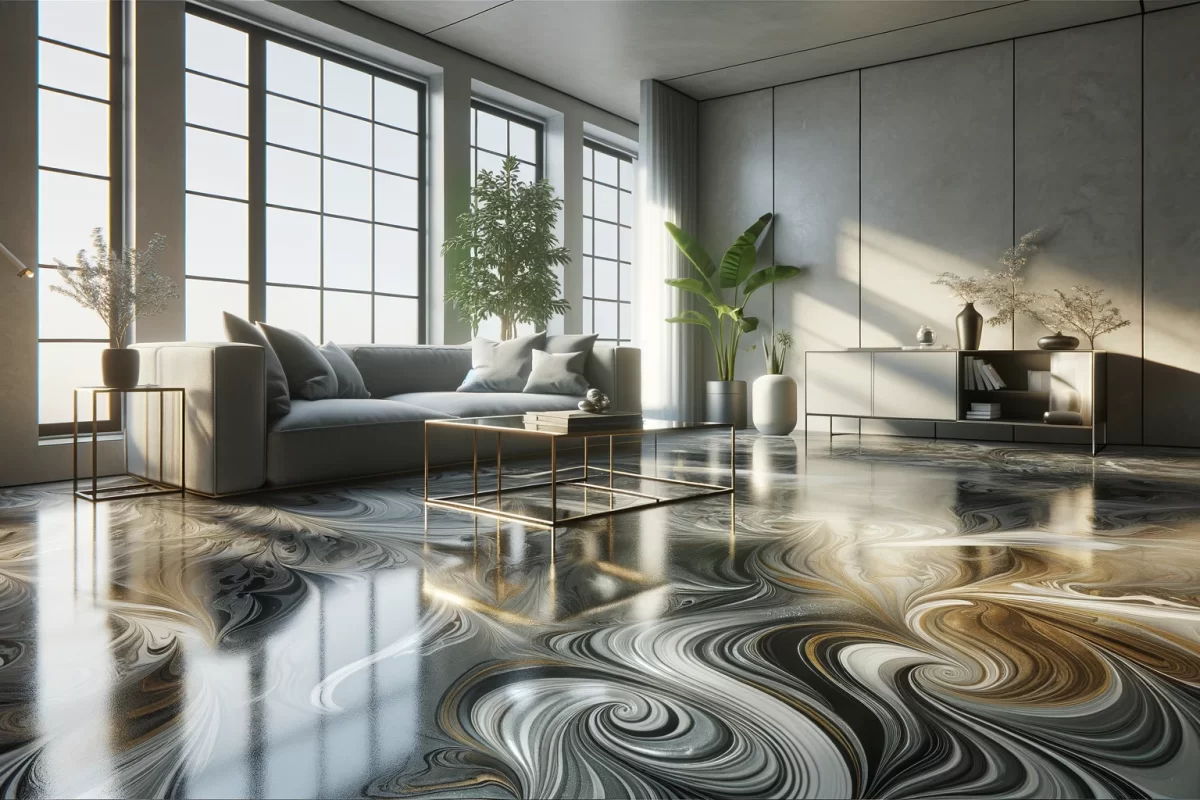
Maintaining a healthy epoxy flooring environment is crucial, and the quality of the air we breathe plays a significant role in this. Often overlooked, flooring materials can impact indoor air quality significantly. Traditional flooring options like some carpets and vinyl can emit Volatile Organic Compounds (VOCs), which may cause health issues over time.

Non-toxic epoxy flooring emerges as an excellent alternative, offering a safer, healthier environment. These flooring solutions are designed to minimize the release of harmful chemicals, ensuring that indoor spaces remain safe and comfortable for everyone, especially in homes, schools, and healthcare facilities.

Continue reading to learn more about how non-toxic epoxy flooring stands out in many aspects.

Understanding Epoxy Flooring and VOCs

Epoxy flooring is a type of surface coating that combines resins and hardeners to create a strong, durable bond. When these two components mix, they chemically react to form a rigid plastic material that is tough, resistant to degradation, and bonds exceptionally well to its substrate. Commonly used in commercial and industrial settings, epoxy flooring is favored for its resilience and ability to withstand heavy traffic. This makes it a popular choice for garages, warehouses, and hospitals.

VOCs are chemicals that are emitted as gases from certain solids or liquids, including many types of flooring materials. VOCs include a variety of chemicals, some of which may have short- and long-term adverse health effects. They are found in paints, varnishes, and building materials. These compounds can decrease indoor air quality and pose health risks to occupants.

The health implications of VOC exposure can be significant. Short-term exposure to VOCs can lead to symptoms such as:

  • headaches
  • dizziness
  • eye, nose, and throat irritation
  • and other respiratory diseases like asthma

Long-term exposure can be more severe, potentially leading to:

  • chronic respiratory issues
  • liver and kidney damage
  • and even the central nervous system harm

This makes the choice of flooring materials important in spaces where people spend a lot of time.

Environmental Considerations

Environmental considerations play a crucial role in creating safer, more sustainable spaces. Epoxy floors stand out for health and ecological benefits.

Low Volatile Organic Compounds

One of the most significant attributes of modern epoxy flooring is its low Volatile Organic Compound content. VOCs are chemicals that vaporize at room temperature and can release harmful gases into the air. By choosing epoxy floors with low VOCs, homeowners and businesses reduce the risk of air pollution indoors. Epoxy floors make spaces safer for everyone, especially children, the elderly, and those with respiratory issues. Also, they contribute to a healthier environment by reducing the release of these pollutants into the atmosphere.

Odorless Formulations

Another advantage of using advanced epoxy flooring is its odorless formulation. Traditional flooring options can emit strong odors during and after installation. This can be uncomfortable or even harmful over time. Odorless epoxy floors eliminate offer a more pleasant and immediate use of spaces post-installation. This feature is beneficial in basements, hospitals, and schools, where air circulation might be limited, and odor can linger.

Compliance with Green Building Standards

Non-toxic epoxy floors align well with green building standards. These standards, set by organizations like the United States Green Building Council through LEED certification, encourage environmentally responsible and resource-efficient building practices. Non-toxic epoxy flooring contributes to meeting these standards by improving indoor environmental quality and using materials that are safer for the environment.

The Benefits of Non-Toxic Epoxy Flooring

Non-toxic epoxy flooring is gaining popularity due to its impressive range of benefits. Here, we explore how non-toxic epoxy flooring improves indoor air quality, safety, and durability.

Improved Indoor Air Quality

Non-toxic epoxy flooring contributes to cleaner indoor air. Traditional flooring solutions can emit VOCs, which are chemicals that can have short and long-term adverse health effects. Non-toxic epoxy, however, is formulated to have low or no VOC emissions. This means it doesn’t release harmful chemicals into the air. Thus, helping to maintain the quality of indoor air and ensure a safer breathing environment. This feature is beneficial in enclosed spaces where air circulation may be limited.

Safety for Various Settings

The versatility of non-toxic epoxy flooring extends to its suitability for homes, schools, hospitals, and businesses. In residential settings, safety is paramount, especially in homes with young children or the elderly who may be more susceptible to pollutants. Schools and hospitals, where safety and hygiene are top priorities, also benefit from non-toxic epoxy floors because they are easy to clean and maintain.

The absence of toxic chemicals makes these floors an ideal choice for environments where health and safety standards are stringent. Businesses too find non-toxic epoxy appealing due to its aesthetic appeal and its ability to maintain a safe workplace, free from airborne contaminants that could affect employee health.

Longevity and Durability Without Health Risks

Non-toxic epoxy flooring is resilient against wear, tear, and chemical spills, maintaining its appearance and functionality over long periods. Traditional flooring materials like vinyl or carpet can degrade quicker and require frequent replacements or repairs. They may harbor allergens and dust, which are less prevalent in non-toxic epoxy floors due to their seamless and non-porous surface.

Maintenance needs for non-toxic epoxy are minimal. These floors are easy to clean—usually just needing a wipe down with mild soap and water. Other flooring types might need special cleaning agents or intensive labor to maintain their condition. The combination of minimal maintenance, durability, and absence of health risks makes non-toxic epoxy flooring a cost-effective and safe choice for both residential and commercial properties.

Suggested Reading: Epoxy Resin Flooring: Modern Design Guide & Trends

How Non-Toxic Epoxy Floors Are Made

Non-toxic epoxy floors offer a safer and healthier option for both residential and commercial spaces. Here’s a closer look at how these environmentally friendly floors are made:

Manufacturing Process of Non-Toxic Epoxy Floors

The production process of non-toxic epoxy flooring is controlled to ensure safety and quality. The primary distinction between non-toxic and standard epoxy is the formulation of the raw materials: resin and hardener components. In standard epoxy, the toxicity of components can include solvents and reactive diluents responsible for the release of VOCs during the curing process. Non-toxic epoxy, on the other hand, uses advanced formulations that reduce or eliminate these volatile compounds.

Key Ingredients in Non-Toxic Epoxy That Reduce or Eliminate VOC Content

  • Biobased Resins: Many non-toxic epoxies incorporate resins derived from natural sources such as plant oils. These biobased resins emit significantly lower VOCs compared to their petroleum-based counterparts.
  • Water-Based Hardeners: Instead of traditional solvent-based hardeners, non-toxic epoxy often utilizes water-based alternatives. These hardeners help in reducing the VOC emissions during the curing process. They also contribute to a safer application environment by minimizing the inhalation risks associated with solvent vapors.
  • Low VOC Additives: Non-toxic epoxy floors may include additives that improve scratch resistance, UV stability, and moisture resistance. These additives are selected based on their low VOC content and compatibility with the eco-friendly profile of the flooring system.
  • Advanced Curing Agents: The curing agents used in non-toxic epoxies react completely with the epoxy resin. This reaction minimizes any unreacted substances that could contribute to indoor air pollution.

Non-toxic epoxy floors support healthier indoor environments. They also offer robust and long-lasting flooring solutions. Their manufacturing process reflects a commitment to sustainability and health. This makes them an ideal choice for anyone looking to combine style with safety in their flooring options.

Comparing Non-Toxic Epoxy Flooring with Other Flooring Options

Let’s explore how non-toxic epoxy compares to other common flooring options in VOC levels and practical benefits:

VOC Levels Comparison:

  • Carpet: Carpets are known to emit higher levels of VOCs, especially shortly after installation. These emissions can include a variety of chemicals, some of which may cause respiratory irritation or other health issues over time.
  • Vinyl: Vinyl flooring, particularly older types and lower quality products, can also release significant amounts of VOCs. These levels can vary based on the composition of the vinyl and the adhesives used during installation.
  • Hardwood: While natural hardwood emits lower levels of VOCs than carpet or vinyl, the finishes and adhesives used in hardwood flooring can add to the VOC content. Pre-finished hardwood often contains more VOCs due to these treatments.
  • Traditional Epoxy: Traditional epoxy flooring systems are known for their durability but can contain chemicals that off-gas VOCs during and after application, which can be a concern for indoor air quality.

When compared to other flooring options, non-toxic epoxy provides a compelling mixture of low VOC emissions, ease of maintenance, cost-effectiveness, and aesthetic versatility, making it an excellent choice for both residential and commercial settings.

Suggested Reading: Can Heat and Humidity Affect Epoxy Floors?

Conclusion

Choosing the right flooring is essential not just for the look of your space, but for your health and the planet, too. Non-toxic epoxy flooring is a smart choice for anyone concerned about indoor air quality and environmental sustainability. These floors contain low levels of VOCs, which means they don’t release harmful chemicals into the air. This makes them a safer option for homes, kitchens, schools, grocery stores, and workplaces, helping everyone breathe easier.

If you’re thinking about updating your floors, consider non-toxic epoxy solutions from Apex Flooring as your first step towards a healthier, more sustainable environment. For more detailed information on how our flooring solutions can benefit you, or to explore our products, contact Apex Flooring.

FAQs

Yes, zero VOC epoxy products are available. These products are specifically formulated to eliminate volatile organic compounds (VOCs), making them a safer choice for indoor environments. Manufacturers achieve this by using alternative ingredients that do not emit harmful gases.

Standard epoxy can give off VOCs, especially during the curing process. The level of VOCs can vary depending on the type of epoxy and its formulation. However, there are also low-VOC and zero-VOC epoxies designed to minimize or eliminate these emissions.

Epoxy flooring is generally safe for indoor use, particularly if it is low-VOC or VOC-free. It is durable, resistant to wear, and easy to clean, making it ideal for both residential and commercial spaces. When selecting epoxy flooring, choosing a product with low or no VOCs is crucial for ensuring it does not adversely affect indoor air quality.

In cases where standard epoxy is used, VOCs can be present for a few days up to several weeks after application. Opting for low-VOC or zero-VOC epoxy products reduces this emission period, often eliminating it entirely.

While epoxy flooring is safe when fully cured, exposure to VOCs during and shortly after application can pose health risks. Symptoms can include eye, nose, and throat irritation, allergic skin reactions, and respiratory distress. These risks are significantly lower or non-existent with low-VOC and VOC-free epoxies.

Avatar photo

Written By:

Hannah Clark

Hannah Clark, leveraging her Civil Engineering background from the University of Florida, has specialized in material sciences and sustainability, focusing particularly on epoxy flooring. Over her 15-year career, Hannah has provided insightful content that explains the technical benefits and innovative applications of epoxy in both residential and commercial settings.

Table of Contents
epoxy coatings

Call Us Now
(904) 595-9792

Related Epoxy Flooring News

Get In Touch

Get a Free Epoxy Flooring Estimate

Categories Apex

How to Choose the Right Epoxy for Your Garage Floor: A Material Showdown

Garage Floor

Blog

How to Choose the Right Epoxy for Your Garage Floor: A Material Showdown

Laura Gibson

May 22, 2024

Table of Contents

Garage Floor

Choosing the right epoxy for your garage floor depends on the garage’s main function, aesthetics, and climate considerations. There are four primary epoxy types: flake, metallic, quartz, and solid, each providing different benefits. Flake and metallic epoxy are ideal for workspaces due to their durability and high-end finish. Quartz is recommended for high-traffic areas, while solid epoxy is perfect for parking and storage spaces. 

Each type resists wear and tear effectively, but the benefits extend beyond durability. Digging deeper into these types and their individual merits would help anyone make the best choice for their garage.

Key Takeaways

  • Evaluate your garage’s primary function and usage requirements to select the suitable epoxy type.
  • Consider flake epoxy for a textured, durable surface suitable for workspaces.
  • Metallic epoxy is ideal for a shiny, low-maintenance surface with high durability.
  • Choose quartz epoxy for high-traffic areas due to its resistance and textured look.
  • Solid epoxy is perfect for parking and storage spaces due to its high gloss finish and chemical resistance.

Understanding Epoxy Materials

Looking at the different types of epoxy materials, it’s essential to understand that each type, whether it’s flake, metallic, quartz, or solid, offers unique benefits and is suited to specific uses due to its inherent strengths and durability. Garage floor epoxy, for instance, is a popular choice due to its resistance to wear and tear, making it ideal for high-traffic areas.

Epoxy flake garage floor is a standout due to its unique aesthetic appeal. Flake epoxy provides a multi-colored, textured surface that’s not only durable but also hides imperfections and stains. It’s an excellent choice for homeowners looking to add a touch of flair to their garages.

Metallic epoxy garage floor, on the other hand, gives a high-end, gleaming finish, perfect for modern garage aesthetics. This particular epoxy type creates a glossy, reflective surface that’s sure to catch the eye, without compromising on strength.

Quartz epoxy floors are known for their extreme durability, making them ideal for commercial or industrial settings. They are also highly customizable in terms of color and design.

Lastly, solid epoxy flooring is the epitome of strength and simplicity. It provides a sleek, uniform finish while offering high resistance to chemicals, making it a great choice for practical and functional spaces.

Evaluating Your Garage Needs

To ensure you select the best epoxy flooring for your garage, it’s crucial to assess your specific needs and usage requirements. The first step in this evaluation process is to consider the garage’s primary function. If it’s a simple parking and storage space, durability and resistance to fluids and chemicals may be the top priorities. In such a case, a solid epoxy floor might be suitable.

On the other hand, if the garage is a workspace, comfort and aesthetics become important factors. Here, a flake or metallic epoxy floor, which provides a pleasing look and added texture for slip resistance, could be a better choice.

The frequency and type of traffic the floor will endure also play a pivotal role. For high-traffic areas or places subjected to heavy equipment, a quartz epoxy floor, known for its extreme durability, might be the go-to option.

Lastly, climate considerations can’t be overlooked. In areas prone to dampness or extreme temperature fluctuations, one needs an epoxy type that can withstand these conditions. Understanding these needs and requirements will steer a homeowner towards the right epoxy flooring choice.

Advantages of each Epoxy Type

Each type of epoxy flooring, namely flake, metallic, quartz, and solid, offers unique benefits that cater to different garage needs. Here are the different advantages of each epoxy type for our garage floor: 

Flake epoxy floor

Flake epoxy flooring shines in its versatility and aesthetic appeal, offering a wide array of color combinations to fit any garage design. The vibrant flakes add depth and dimension, creating a unique, customized look. Beyond its visual appeal, flake epoxy is renowned for its durability and strength. It’s capable of withstanding heavy traffic and resist damage from chemicals, making it an excellent choice for busy garages. 

Additionally, its textured surface provides enhanced slip resistance, a critical safety feature in environments prone to spills or damp conditions. Finally, flake epoxy flooring is relatively easy to install and maintain, a factor that adds to its overall cost-effectiveness. This makes it a go-to choice for homeowners seeking both functionality and style in their garage flooring.

Metallic epoxy floor

While flake epoxy flooring presents a versatile option, metallic epoxy flooring offers a distinct set of advantages, particularly for those seeking a high-end, ultra-modern aesthetic for their garage. This type of flooring is renowned for its unique, glossy finish which not only adds a touch of luxury but also enhances light reflection, making the garage appear brighter and larger.

Characteristics and Applications of Metallic Epoxy Floors

Advantage

Metallic Epoxy Floor

Application

Durability

High

Withstands heavy traffic

Aesthetics

Exceptional

Adds an ultra-modern look

Maintenance

Low

Easy to clean and stain-resistant

Cost-Effectiveness

Moderate

Higher upfront cost but long-term savings

In essence, metallic epoxy flooring is a perfect choice for those prioritizing durability, aesthetics, and low maintenance, despite its moderate cost-effectiveness.

Quartz epoxy floor

Shifting our focus to quartz epoxy flooring, it’s worth noting that this type offers a superb blend of durability and aesthetics, making it ideally suited for high-traffic areas that require an added touch of sophistication. Infused with a myriad of quartz granules, this epoxy variant boasts a high degree of resistance to wear and tear. It’s not only tough and robust but also non-slip, promoting safety in areas prone to spills or moisture. In terms of aesthetics, quartz epoxy flooring shines with an attractive, textured look that can be customized in a range of color options. Ideal for both residential and commercial settings, it also provides seamless, easy-to-clean surfaces, offering a practical choice for those needing both style and durability.

Solid epoxy floor

Turning our attention to solid epoxy flooring, it’s important to note this type’s unrivaled durability and strength, making it a popular choice for industrial and commercial spaces. This epoxy type withstands heavy machinery, high foot traffic, and chemical spills with ease.

To create imagery in the audience’s mind, consider these advantages of solid epoxy flooring:

  • Unmatched Durability: It’s robust against abrasion, impact, and heavy loads.
  • Chemical Resistance: It’s immune to most chemicals, oils, and solvents.
  • Ease of Maintenance: Its seamless finish makes cleaning effortless.
  • Aesthetic Versatility: It comes in a wide range of colors and can complement any space.
  • Longevity: It offers a longer lifespan compared to other flooring options.

These advantages make solid epoxy flooring a dependable choice for demanding environments.

Making the Right Epoxy Choice

In order to make the right epoxy choice for your garage floor, it’s crucial to understand the unique strengths and ideal uses of each type: flake, metallic, quartz, and solid epoxy floors.

Here is a table that provides a clear comparison to help in selecting the right type of epoxy flooring based on the specific needs and aesthetics of the space.

Type of Epoxy Floor

Main Characteristics

Ideal Uses

Flake Epoxy Floor

Durable, aesthetically appealing, customizable with colored flakes for decorative touch

Garages needing a decorative and durable surface

Metallic Epoxy Floor

Offers a unique, three-dimensional look with swirling, liquid-like metallic pigments

Garages where a visually striking look is desired

Quartz Epoxy Floor

Epitome of strength and durability, resistant to chemicals, impacts, and slips

High-traffic and commercial garages

Solid Epoxy Floor

Uniform, high-gloss finish, resistant to heavy loads and harsh chemicals

Industrial settings with heavy machinery and loads

In the end, the right epoxy choice boils down to understanding your specific needs and the unique strengths of each type. With the right information, you can transform your garage into a durable, stylish, and functional space.

Epoxy Application Tips and Tricks

Mastering the art of epoxy application can drastically enhance the longevity and appearance of your garage flooring. Following specific tips and tricks can ensure the process is done correctly, resulting in a durable, aesthetically pleasing finish.

To create a vivid image in the reader’s mind, here are five key points to consider:

  • Proper Surface Preparation: The floor should be clean, dry, and free from any oil, grease, or other contaminants. This promotes strong adhesion between the epoxy and the surface.
  • Correct Mixing of Components: The epoxy resin and hardener must be mixed thoroughly to achieve optimum results. Incorrect ratios could lead to a poor finish.
  • Ideal Temperature and Humidity: Epoxy application should be done in a temperate environment with low humidity. Extreme conditions could negatively impact the curing process.
  • Use the Right Tools: Application tools like brushes, rollers, and squeegees should be of high quality to ensure a smooth, even layer of epoxy.
  • Follow Manufacturer Instructions: Always adhere to the guidelines provided by the epoxy manufacturer. They contain specific details that are critical for successful application.

Conclusion

Epoxy ranks as a top choice for garage flooring because of its durability and visual appeal. You can opt for flake, metallic, quartz, or solid epoxy. Each type makes your garage floor durable and attractive. It is crucial to assess your garage’s needs carefully. This assessment helps you make the best choice, leading to a functional and appealing garage.

If you plan to install epoxy flooring, consider hiring Apex Epoxy Flooring. This reliable contractor provides professional epoxy flooring services. They serve homes and businesses in Brunswick, GA, Jacksonville, Naples, and St. Augustine, FL. Choose Apex Epoxy Flooring for excellent results on your project. Contact them today!

FAQs

Considering the longevity of various epoxy materials, it’s impressive that flake epoxy can last up to 25 years. Solid, metallic, and quartz types also boast impressive durability, often exceeding 20 years with proper care.

In comparing strengths, metallic epoxy’s robust, high-gloss finish outperforms flake epoxy’s durability. However, flake epoxy’s textured surface offers superior slip resistance, making it a safer choice in high-traffic areas.

Indeed, solid epoxy floors can withstand heavy machinery and high traffic. They’re resilient, maintaining a glossy finish despite the wear and tear. It’s a workhorse, perfect for garages needing high-strength, durable flooring.

Quartz epoxy’s unique blend offers exceptional durability. It’s ideal for garages needing resistance to chemicals, abrasions, and heavy impact. Plus, it’s slip-resistant, ensuring it’s safe, even in high-moisture environments. It’s a solid, practical choice.

Each epoxy type’s durability directly influences its best use. Flake’s toughness withstands heavy traffic, metallic’s resilience handles stains, quartz’s strength suits high-impact areas, and solid’s durability makes it ideal for general-purpose use.

Avatar photo

Written By:

Laura Gibson

With a bachelors in creative writing and a passion for home design, Laura Gibson connects the dots between design theory and practical flooring solutions. Her expertise is particularly valuable in discussions about how epoxy flooring fits into contemporary interior design trends, providing readers with a blend of practical advice and design inspiration.

Table of Contents

epoxy coatings

Call Us Now
(904) 595-9792

Related Epoxy Flooring News

Get In Touch

Get a Free Epoxy Flooring Estimate

Categories Apex

Breaking Down The Molecular Structures of Epoxy and Polyurethane for Better Choices

Solid Color Epoxy

Blog

Breaking Down The Molecular Structures of Epoxy and Polyurethane for Better Choices

James Wilson

May 15, 2024

Table of Contents

Solid Color Epoxy

When it comes to selecting the best material for your next project, whether it’s a new floor, a protective coating, or anything in between, understanding the science behind Epoxy and Polyurethane can make all the difference. Epoxy and polyurethane are two powerhouse materials of polymers. Each with unique molecular structures that define their capabilities. By exploring these substances, we unlock the secrets to their strengths and weaknesses, guiding you to make informed decisions that meet your specific needs.

Continue reading to discover how tiny molecules can have a huge impact on your project’s success.

Epoxy Molecular Structure Overview

Epoxy is a type of polymer known for its robust and intricate molecular structure. It consists of molecules called epoxides—these are rings made up of an oxygen atom and two carbon atoms. This special formation is highly reactive, which is key to epoxy’s effectiveness. When mixed with a curing agent, these epoxides undergo a chemical reaction, leading to a process known as curing. During curing, the epoxy molecules link together to form a tightly interconnected network. Thus, creating a solid material that is both strong and durable.

Benefits of Epoxy’s Properties in Various Applications, Especially in Flooring

Epoxy’s molecular structure offers several remarkable benefits that make it an excellent choice for various applications:

  • Durability: The cross-linked structure of cured epoxy forms a rigid and sturdy material. It can withstand heavy foot traffic, making it ideal for commercial spaces and residential areas with high activity. This durability also means that epoxy floors are long-lasting. It reduces the need for frequent replacements or repairs.
  • Resistance to Chemicals: Epoxy floors are highly resistant to spills from oils, detergents, and other harsh chemicals. This makes them particularly valuable in garages, warehouses, and industrial environments, where spills can be a common issue.
  • Moisture Resistance: Unlike some other flooring materials, epoxy is impermeable to water or other liquids. This characteristic prevents mold and mildew growth. It provides a healthier environment and makes it a great choice for basements, kitchens, and bathrooms.
  • Ease of Maintenance: The seamless surface of epoxy flooring is straightforward to clean. Dirt and dust can be easily swept or mopped away, and the non-porous nature means that stains can be cleaned without much effort.
  • Aesthetic Versatility: Although primarily chosen for its functional benefits, epoxy also offers aesthetic versatility. It can be mixed with pigments, flakes, and other additives before application to create a wide range of colors and patterns that enhance the appearance of any space.

By leveraging the unique molecular structure of epoxy, individuals and businesses can benefit from a flooring solution that is not only tough and long-lasting. It is also adaptable to a variety of decorative preferences and practical requirements.

Suggested Reading: Can High Temperature and Humidity Affect Epoxy Floors?

Polyurethane Chemical Composition Analysis

Polyurethane is a versatile material, particularly favored for flooring due to its unique chemical composition and adaptable properties. Created from a reaction between diisocyanates and polyols, it forms a thermoplastic polymer known for its urethane linkages. They offer several advantageous properties:

Benefits of Polyurethane Flooring:

  • Impact Resistance: The flexible nature of polyurethane allows it to absorb shocks and impacts. This makes it ideal for high-traffic areas where floors must withstand a lot of wear and tear.
  • Chemical Resistance: Polyurethane floors are resistant to chemicals, oils, and other substances that could damage other flooring types. This characteristic is especially beneficial in industrial settings and areas like kitchens and garages where spills are common.
  • Ease of Maintenance: Unlike floors that require regular waxing or sealing, polyurethane floors are low maintenance. They can be kept clean and in good condition with just regular mopping using mild detergent.
  • Aesthetic Versatility: Polyurethane can be produced in a variety of colors and patterns, and can even be made to mimic the look of hardwood, stone, or other more expensive materials. This makes it a flexible choice for enhancing the style of any space, whether commercial or residential.
  • Durability: The strength and resilience of polyurethane make it a long-lasting flooring option. It resists scratches and scuffs that can detract from the appearance of floors over time.

These properties make polyurethane a smart choice for flooring across diverse environments, balancing functional benefits with aesthetics to meet the demands of both practical and stylish flooring solutions.

Suggested Reading: DIY Epoxy Garage Floor: Why To Hire Professionals

Key Differences in Molecular Structures

When comparing epoxy and polyurethane, it’s important to understand how their molecular structures affect their practical uses, particularly in flooring. This comparison can help you decide which material is best suited for your specific needs.

Epoxy: Rigid and Resilient

Epoxy is made up of molecules that feature a unique three-membered ring structure known as an epoxide. This specific configuration allows epoxy to form highly cross-linked polymer structures when it reacts with a curing agent. The result is a material that is exceptionally strong and durable.

Epoxy’s tightly linked molecular structure provides high resistance to:

  • wear and tear
  • chemicals
  • heat and humidity

In flooring, this means epoxy is an excellent choice for areas that must withstand heavy traffic, potential chemical spills, or extreme temperatures. Applicable settings include garages, industrial environments, and commercial kitchens.

Polyurethane: Flexibility and Toughness

Polyurethane, on the other hand, consists of a different kind of molecular makeup. Its structure includes a sequence of urethane groups – a linkage formed from a chemical reaction between a diisocyanate and a polyol. This structure allows polyurethane to be more flexible compared to epoxy.

The flexibility of polyurethane makes it less susceptible to cracking under stress or deformation. This is beneficial for surfaces that require resilience and the ability to handle vibrations or impacts. For flooring, polyurethane is often chosen for spaces like sports facilities, residential areas, and places needing sound dampening qualities. It provides a softer surface that can absorb impacts more effectively than epoxy.

Practical Implications in Flooring

The choice between epoxy and polyurethane flooring depends on the specific requirements of the space. If you need a floor that must endure heavy loads, resist chemical corrosion, and last a long time without significant wear, epoxy is likely the better choice. Its robust structure ensures longevity and maintenance ease.

Conversely, if the priority is comfort, flexibility, and resistance to physical impacts, polyurethane is more suitable. Its ability to flex slightly under pressure helps prevent cracks and damage from heavy use, making it ideal for areas where comfort and durability are priorities.

Both epoxy and polyurethane offer distinct advantages due to their molecular structures. Epoxy excels in environments that require durability and resistance to harsh conditions. Meanwhile, polyurethane stands out in settings that benefit from flexibility and impact resistance. Understanding these properties will help you make an informed decision that aligns with your flooring needs.

Choosing the Right Material for Applications

When selecting a flooring material, consider the specific requirements of your space. For environments where heavy equipment is used, the robust structure of epoxy makes it an excellent choice. In areas where hygiene is paramount, such as in hospitals or food preparation areas, the seamless nature of epoxy flooring prevents the accumulation of dirt and bacteria, promoting a clean environment.

If you’re considering epoxy flooring, look no further than Apex Epoxy for professional installation. With over 20 years of experience and a commitment to quality, Apex Epoxy ensures that your new floor will exceed your expectations.

Ready to transform your space with durable, stylish, and long-lasting epoxy flooring? Contact Apex Epoxy today and take the first step towards a perfect flooring solution tailored to your needs.

FAQs

The major difference between epoxy and polyurethane lies in their chemical structures and their resulting properties. Epoxy is known for its exceptional strength and chemical resistance due to a highly cross-linked structure. This makes it ideal for applications needing a tough, durable finish like coatings and adhesives. On the other hand, polyurethane is more flexible and has excellent abrasion resistance, making it better suited for surfaces that require resilience and flexibility.

Yes, epoxy is highly chemically resistant. Thanks to its tightly cross-linked molecular structure, it can withstand exposure to a wide range of chemicals without degrading. This resistance includes common solvents, acids, and even alkalis. This makes epoxy an excellent choice for environments where chemical spills are possible, such as in laboratories or industrial settings.

Choosing between polyurethane and resin depends largely on the application needs. If you need a material with superior strength, thermal stability, and chemical resistance, epoxy resin is likely the better choice. It’s particularly well-suited for demanding environments and high-stress applications. However, if flexibility, impact resistance, and abrasion resistance are more critical for your project, polyurethane is the superior option. It’s excellent for areas with high foot traffic or surfaces that experience frequent impacts.

Both materials involve chemicals that, if not handled correctly, can pose health risks during the mixing and curing stages. Epoxy resins often contain substances like bisphenol A (BPA), which can release volatile organic compounds (VOCs) during application and curing. These organic compounds can irritate the skin, eyes, and lungs if proper safety measures are not followed. Polyurethane can release isocyanates, which are harmful and can cause respiratory issues. These materials can be a concern because they are not easily degradable and can contribute to landfill waste.

Absolutely, the molecular structures of epoxy and polyurethane significantly influence their adhesion properties. Epoxy provides excellent adhesion to a wide variety of surfaces. This is because the molecular chains in epoxy form strong bonds with the surface and among themselves. It creates a durable, cohesive layer that is hard to break. Polyurethane, meanwhile, is known for its slightly more flexible molecular structure. This allows it to move and adjust to the contours of the surfaces it bonds to, resulting in good adherence. This flexibility makes polyurethane an excellent choice for surfaces that experience movement or expansion, like wood that swells and contracts with temperature changes.

Avatar photo

Written By:

James Wilson

James Wilson’s extensive experience as a construction manager is apparent in his practical advice on epoxy floor installation. Having managed numerous projects after his studies at Purdue University, his contributions offer step-by-step guides and insider tips that ensure successful flooring projects for Apex’s audience.

Table of Contents

epoxy coatings

Call Us Now
(904) 595-9792

Related Epoxy Flooring News

Get In Touch

Get a Free Epoxy Flooring Estimate

Categories Apex

Outdoor Epoxy Flooring Secrets: How It Stays Looking New

Outdoor Epoxy Floors

Blog

Outdoor Epoxy Flooring Secrets: How It Stays Looking New

Michael Thompson

May 8, 2024

Table of Contents

Outdoor Epoxy Floors

Outdoor epoxy flooring‘s enduring new look is attributed to its chemical makeup, ensuring impressive durability and appealing aesthetics. By creating a robust bond during the curing process, it resists wear and maintains luster. Moreover, it displays resilience to harsh weather, UV exposure, and heavy traffic, while its hydrophobic nature keeps water at bay. 

Maintenance is a breeze with regular sweeping and damp mopping sufficing. For more depth on epoxy flooring’s longevity, from its versatility to cost-effectiveness, going deeper into the topic should provide valuable insights.

 Key Takeaways

  • Outdoor epoxy flooring maintains its color due to UV resistance, preventing fading under sun exposure.
  • The chemical bonds formed during epoxy curing ensure long-lasting gloss and color retention.
  • Regular sweeping and damp mopping help maintain the new look of outdoor epoxy flooring.
  • Epoxy flooring is resistant to harsh weather conditions, including high temperatures and heavy rain, preserving its aesthetic appeal.
  • With its low maintenance needs and high durability, outdoor epoxy flooring continues to look new for years.

Understanding Outdoor Epoxy Flooring

Before exploring the maintenance tips, it is essential to understand what outdoor epoxy flooring is and why it has become a popular choice for both homeowners and businesses.

What is Outdoor Epoxy Flooring?

Outdoor epoxy flooring is a high-performance solution that creates a tough, plastic-like surface by combining epoxy resin with hardeners. It is renowned for its durability, resistance to wear and tear, and its visually appealing finish.

Why Choose Epoxy?

  • Durability: Epoxy flooring withstands heavy foot traffic, chemical spills, and extreme weather conditions, making it an ideal choice for outdoor use.
  • Versatility: Installers can use epoxy to enhance various outdoor areas, including walkways, patios, and commercial spaces.
  • Aesthetic Appeal: Its ability to maintain vibrant color and shine adds to its popularity among those looking to beautify their spaces.

Additional Protective Measures

  • Top Coat Benefits: A top coat for epoxy floors can significantly boost durability. This clear, glossy layer acts as a protective shield against UV rays, scratches, and stains, all while keeping the floor easy to clean and maintain.

Longevity of Epoxy Floor Finishes

Despite its ruggedness and high resistance to wear, the lifespan of an epoxy floor finish largely depends on how it’s maintained and the type of traffic it endures. Colored epoxy floor coatings, such as grey epoxy floors or black epoxy floors with flakes, can last for many years when properly cared for.

These floor finishes are designed to withstand heavy foot traffic and resist damage from UV rays, chemicals, and abrasions. However, their longevity can be compromised if they’re exposed to extreme conditions or if they’re not regularly cleaned and maintained.

A well-installed and well-maintained epoxy floor can last for over a decade, which makes it a cost-effective flooring solution for outdoor areas. The colored epoxy floor coatings, particularly, are known for their durability and color retention properties. They don’t fade, chip, or peel easily, which is why they always look new, even after many years.

The grey epoxy floor, for instance, retains its color and glossiness even when exposed to high traffic or harsh weather conditions. The same goes for the black epoxy floor with flakes. The flakes add an extra layer of protection, making the floor more resilient and long-lasting. Thus, the longevity of epoxy floor finishes is impressive, given their resistance to fading and durability.

The Science Behind Epoxy’s Durability

Exploring the heart of epoxy’s impressive resilience, it’s essential to understand the chemical interaction that takes place during the curing process. Epoxy is a polymer that cures when a resin and a hardener combine. This curing process creates a chemical bond that results in a durable, resistant, and hard surface.


Epoxy Component

Role

Impact on Durability

Resin

Provides a color and glossy finish

Determines the appearance of the epoxy floor

Hardener

Initiates the curing process

Ensures the hardness and durability of the epoxy floor

Curing Process

The chemical reaction between the resin and hardener

Creates a bond that is resistant to wear, making the floor last longer

This process is the reason why outdoor epoxy floors, including the striking black and red epoxy floor, maintain their luster and appearance over time. Even the attractive epoxy flakes garage floor owes its longevity and durability to this curing process. The chemical bonds formed make the epoxy resistant to impacts, scratches, and daily wear and tear, making it a reliable choice for outdoor flooring. Thus, the science behind epoxy’s durability lies in its unique curing process.


Weather Resistance of Epoxy Floors


Epoxy flooring’s superior weather resistance is a key factor in its popularity for outdoor applications. This robust flooring solution can withstand a wide range of weather conditions, including high temperatures, heavy rain, snow, and even hail. It doesn’t warp, buckle, or crack easily, ensuring longevity and consistent aesthetics.

The weather resistance of epoxy floors is due to its unique chemical structure. Epoxy is a thermosetting polymer, which means it doesn’t melt under heat. Instead, it cross-links and hardens, forming a durable, resistant layer. This makes it extremely resilient to sun exposure and high temperatures, preventing damage such as fading and peeling.

Further, epoxy’s hydrophobic nature repels water, making it ideal in regions prone to heavy rainfall or snow. It doesn’t absorb water, eliminating the risk of mold and mildew growth. It’s also resistant to salt and de-icing chemicals, which is particularly beneficial in cold climates where these substances are commonly used.

Epoxy’s weather resistance extends to its color stability. Unlike many flooring options, it doesn’t fade, discolor, or yellow under prolonged UV exposure, maintaining its vibrant appearance for years. Hence, epoxy flooring’s weather resistance contributes significantly to its lasting appeal and aesthetic longevity.


Maintenance and Care Tips for Epoxy Flooring


To keep your outdoor epoxy flooring in pristine condition, regular maintenance and appropriate care are essential, which can be achieved through a few simple steps. Firstly, one should sweep the floor daily to remove dust and debris that can scratch the surface. It’s also advisable to use a soft-bristled broom to avoid causing damage.

For a deeper clean, a mop dampened with a mild detergent solution can be used. However, caution is required to prevent over-saturating the floor, as excessive water can seep into any cracks and cause damage. In addition, any spillage should be cleaned immediately to prevent staining.

Abrasive cleaning tools and harsh chemicals should be avoided as they can erode the epoxy coating and dull its finish. If stubborn stains or spots are present, a gentle scrubbing with a soft cloth or sponge is recommended.

Periodically, professional cleaning may be necessary to restore the floor’s shine. It’s crucial to choose a company familiar with epoxy floors to prevent any potential damage.

Lastly, to maintain the floor’s durability and extend its lifespan, a fresh coat of epoxy should be applied every few years. This will ensure that the floor continues to look new and vibrant while providing exceptional resistance to wear and tear.


Conclusion


Outdoor epoxy flooring is the secret weapon for enduring, attractive surfaces. Its tough-as-nails composition, resistance to weather, and easy maintenance make it a standout choice. It’s no wonder that numerous case studies sing its praises. So, if you want your floors to continually look as good as new, without having to work your fingers to the bone, then it’s high time to consider epoxy flooring.

If you’re considering a lasting solution for your flooring that continues to look new over the years, Apex Epoxy Flooring offers expert services for both residential and commercial properties. By choosing Apex Epoxy Flooring, you ensure that your investment not only enhances the beauty of your space but also withstands the test of time. For more information or to request a quote, contact Apex Epoxy Flooring today.

FAQs

The cost of installing outdoor epoxy flooring varies. It’s typically around $3-$12 per square foot. Factors influencing price include the floor’s condition, the epoxy’s type, and labor costs. It’s a valuable, long-lasting investment.

Yes, epoxy flooring’s not just for outdoors. It’s great indoors too. It’s durable, low-maintenance, and resists stains. Plus, it’s available in various styles, making it a versatile option for both residential and commercial environments.

They can indeed install epoxy flooring themselves, but it’s no easy task. It requires careful preparation and application. Mistakes are costly, so they’re often better off hiring a professional to ensure a flawless finish.

While epoxy flooring is generally safe, it’s not without potential risks. During installation, it can release fumes that may cause respiratory discomfort. Long term, its non-porous surface can be slippery when wet, posing a fall hazard.

Yes, there is a vast array of design and color options for epoxy flooring. It’s far from just a plain, industrial surface. You can customize it with various patterns, textures, and a wide spectrum of color choices to match any aesthetic.

Avatar photo

Written By:

Michael Thompson

Michael Thompson brings a deep knowledge of polymer chemistry from his Chemical Engineering studies at Georgia Tech to the forefront of his writings. With over 20 years in the industry, his articles are rich in detail about the science behind epoxy formulations and their real-world applications, guiding professionals and DIY enthusiasts alike.

Table of Contents

epoxy coatings

Call Us Now
(904) 595-9792

Related Epoxy Flooring News

Get In Touch

Get a Free Epoxy Flooring Estimate

Categories Apex

Think Twice Before DIY: Shocking Epoxy Bathroom Floor Disasters

Epoxy Bathroom Floor

Blog

Think Twice Before DIY: Shocking Epoxy Bathroom Floor Disasters

Rachel Peter

May 1, 2024

Table of Contents

Epoxy Bathroom Floor

DIY epoxy bathroom floors might seem cost-effective and appealing at first. However, many homeowners have encountered disasters because they underestimated the complexity of the task. Common mistakes include not preparing properly, choosing the wrong type of epoxy, and using incorrect application techniques. These errors can lead to uneven layers, peeling floors, and even toxic fumes.

In addition to the financial cost, these mistakes can emotionally affect homeowners and lower the home’s resale value. Choosing professional installation ensures precise application, superior aesthetics, and robust durability.

By comparing DIY and professional epoxy application further, homeowners will understand the real implications of their choice.

 Key Takeaways

  • DIY epoxy flooring often results in costly mistakes, like uneven layers and early peeling. These issues usually arise from improper application techniques.
  • Homeowners making inadequate preparations or choosing the wrong epoxy type may face disasters. Such mistakes can cause both financial and emotional distress.
  • Some real-life horror stories feature toxic fumes that necessitate evacuations and epoxy that peels off. These incidents underline the importance of professional guidance.
  • The hidden costs of these DIY disasters are substantial. They affect your wallet, the home’s resale value, and your mental wellbeing.
  • Hiring professionals for epoxy installation ensures precise application. It guarantees robust durability and superior aesthetics. This choice provides a lasting floor that endures for years.

The Charm of DIY Epoxy Floors

The appeal of DIY epoxy floors often comes from their glossy, attractive finish and their promise of cost-effectiveness. However, homeowners frequently underestimate the skill and precision required for this task. The charm of DIY epoxy floors, especially in the bathroom, is undeniable. They can transform a dull or damaged bathroom floor into a sleek, modern, and easy-to-clean surface.

Transformative Appeal for Bathrooms

The charm of implementing DIY epoxy floors is particularly striking in bathroom settings. These floors can convert a mundane or worn-out bathroom floor into a sleek, modern, and easy-to-maintain surface.

Functional Benefits

Installing an epoxy floor in your bathroom extends beyond mere aesthetics. It serves a practical purpose by providing a waterproof barrier that protects the underlying structure from moisture damage. Additionally, epoxy floors in residential bathrooms are highly resistant to stains, making them perfect for areas that see frequent use.

Challenges in Installation

Achieving the flawless finish of a DIY epoxy bathroom floor is not as straightforward as it might appear. This task demands:

  • Careful preparation: Ensuring the floor base is ready and suitable for epoxy application.
  • Precise measurements: Accurately calculating the amount of epoxy needed for the area.
  • Meticulous application: Evenly applying the epoxy to avoid bubbles and ensure a uniform coat.

This process is labor-intensive and requires a keen attention to detail, patience, and a good grasp of technical skills.

Despite these challenges, the enduring appeal of DIY epoxy floors remains strong among homeowners. Ultimately, the glossy, stylish, and durable finish tends to outweigh the potential difficulties. However, it is crucial to approach this project with the seriousness it deserves, recognizing that it is not a casual undertaking.

Common Mistakes in Epoxy Application

Despite the appeal of  DIY epoxy floors , it’s not uncommon for homeowners to make errors, particularly when it comes to the application process. One common mistake is failing to adequately prepare the  existing floor . Before even considering  epoxy bathroom floor ideas , the current surface must be  thoroughly cleaned , free of dust, and completely dry.

Here are the critical errors to avoid: 

  1. Insufficient Floor Preparation:
  • Importance: The foundation of successful epoxy flooring lies in how well the existing floor is prepared.
  • Required Steps: Before exploring epoxy bathroom floor ideas, ensure the current surface is thoroughly cleaned, free from dust, and completely dry.
  1. Choosing the Wrong Epoxy Type:
  • Common Misstep: Many mistakenly select epoxy products intended for garages or basements, which are not suitable for wet environments like bathrooms.
  1. Incorrect Mixing:
  • Consequences: Improperly mixed epoxy can ruin even the best flooring for bathrooms.
  • Proper Technique: It involves more than just stirring two components; precise measurement and thorough mixing are crucial to achieve the desired consistency and effectiveness.
  1. Overapplication:
  • Myth: There is a false belief that a thicker epoxy layer ensures better coverage.
  • Reality: This often results in an uneven surface and extended drying times, detracting from the floor’s appearance and function.

Epoxy Floor Horror Stories

Exploring into the world of epoxy floor horror stories, a friend who runs an epoxy business  called Apex Epoxy Flooring has shared numerous cases where DIY attempts have gone disastrously wrong. These stories not only highlight the risks of DIY epoxy projects but also underscore the critical need for professional intervention to rectify these mistakes.

One notable example is of a couple who wanted a glossy, high-end finish for their master bathroom and decided to handle the epoxy flooring themselves. Unfortunately, their lack of professional skills led to a disastrously uneven application, resulting in a floor that resembled a rugged mountain range rather than the smooth, sleek surface they envisioned. They strip the botched layer, and properly reapply the epoxy.

Another case involved a family who failed to ensure adequate ventilation while applying epoxy, leading to dangerous fume buildup in their home. The situation became so severe that the family had to evacuate and stay in a hotel. They were called to safely ventilate and detoxify the home before the family could return.

There’s also the story of an individual who applied epoxy over an old tile floor without proper surface preparation, causing the epoxy to peel off in large chunks soon after application. They had to be brought in to correctly prepare the surface and apply a new layer of epoxy that adhered properly.

These examples from real life vividly illustrate the potential hazards and extra costs associated with DIY epoxy flooring. They serve as a stark reminder of the importance of professional expertise in ensuring safe, reliable, and high-quality outcomes in home renovation projects.

Hidden Costs of DIY Disasters

DIY epoxy floor projects can sometimes go significantly awry, leading to not only visible mistakes but also hidden costs. These costs, both financial and emotional, can surpass the initial expenses of the project.

Here are the different aspects of potential costs associated with DIY epoxy floor projects: 

Financial Implications

  • Material and Tool Costs: A botched job often means premature peeling or chipping, necessitating a complete redo. This increases expenses due to the need for additional materials, new tools, and waste disposal. Depending on the size of the area and the quality of the materials chosen, the additional cost could range from $500 to $2,000. This estimate includes the cost of purchasing new epoxy, essential tools like mixers and applicators, and fees for proper disposal of waste materials.
  • Time Investment: DIYers frequently underestimate the time required for proper preparation, mixing, application, and curing of epoxy. Errors can double or even triple the time invested in the project.

Emotional Toll

  • Stress and Frustration: The emotional impact of a project gone wrong cannot be overstated. The stress and disappointment from seeing a flawed execution of what was meant to be a dream bathroom can be significant.
  • Impact on Well-Being: Beyond mere frustration, the ongoing stress can affect overall well-being, making it a considerable part of the project’s true cost.

Impact on Resale Value

  • Lower Market Appeal: Poorly executed epoxy floors can be easily spotted by potential buyers, potentially lowering the home’s appeal and resale value. A bad flooring job might lead to reduced offers or deter buyers altogether.

Benefits of Professional Epoxy Installation

Hiring a professional like Apex Epoxy Flooring for epoxy installation offers many benefits. These include precise application, robust durability, and superior aesthetics. This choice saves homeowners from the pitfalls and hidden costs of DIY disasters. Companies provide flawless finishes every time. Their experts have an eye for detail and a steady hand. They can manage the complexities of epoxy application. They consider factors like room temperature and humidity, which greatly affect the final result.

Professional installers like Apex Epoxy Flooring use high-grade materials that ensure longevity. They expertly handle multiple epoxy layers, creating a resilient surface. This surface withstands high traffic and resists wear and tear. Such durability protects your investment, giving you a floor that lasts for years, not just months.

Furthermore, professionals deliver superior aesthetics. They know how to mix and shape epoxy to produce various appealing designs. These range from subtle swirls to bold metallic effects. With their skills, your bathroom floor will not only be practical but also artistic. Therefore, although DIY epoxy installation might seem tempting, hiring a professional clearly avoids many problems.

Below is a table comparing DIY and professional epoxy flooring installation in terms of cost, time, and quality.

Understanding Epoxy and Its Composition

Epoxy is a type of durable flooring made from a special mix of materials. It consists of two main components: resins and hardeners. When these two substances are mixed, they undergo a chemical reaction that turns them into a solid plastic material known as epoxy resin.

This epoxy mixture sticks very well to most base layers or substrates, making it an excellent choice for floors that need to withstand a lot of use or heavy traffic. Epoxy flooring is admired for its smooth finish and can be clear or colored using various pigments. This versatility makes it popular in everything from industrial settings to personal garage floors.

What’s interesting about epoxy is its ability to create a seamless surface. This means there are no cracks or crevices where dirt and bacteria can hide, making it a hygienic option for places like kitchens and hospitals. Additionally, its resistance to chemicals, stains, and abrasions adds to its appeal as a practical flooring solution that looks good and lasts up to 20 years.

Suggested Reading: DIY Epoxy Garage Floor: Why To Hire Professionals

Aspect

DIY

Professional

Cost

Low upfront cost but potential for high repair costs

Higher upfront cost but includes warranty

Time

Time-consuming with a steep learning curve

Quick and efficient

Quality

Highly variable, depending on skills and experience

Consistently high due to expertise

Conclusion

DIY epoxy floor projects can turn disastrous, costing homeowners more than they bargained for. In fact, a staggering 70% of  DIY epoxy floor  jobs result in  calling a professional  for rescue. Therefore, it’s prudent to reconsider that DIY bathroom remodel.

Engaging professionals like Apex Epoxy Flooring from the get-go ensures meticulous application, longevity, and stunning results. After all, your bathroom deserves the best, and sometimes, that means leaving it to the experts.

FAQs

DIY epoxy floor installation is a risky dance with danger. They’re potentially messing with harmful fumes, skin and eye irritation. There’s also the risk of long-term respiratory problems if they’re not properly protected.

High temperature and humidity can negatively affect epoxy curing. They’ll cause it to cure too fast, leading to an improper bond. It’s also prone to blushing, resulting in a waxy surface layer.

For a DIY epoxy bathroom floor project, they’ll need safety glasses, chemical-resistant gloves, and a respirator. It’s essential not to overlook these precautions to avoid harmful exposure to epoxy’s fumes and chemicals.

Yes, there are eco-friendly alternatives to traditional epoxy flooring. They’re exploring options like bio-based epoxies, which have less environmental impact. He’s found they’re as durable and visually pleasing as the traditional ones, but without the guilt.

Typically, homeowners’ insurance doesn’t cover DIY epoxy flooring disasters. It’s because they consider it a “self-inflicted” problem. It’s best to consult with an insurance agent before starting.

Avatar photo

Written By:

Rachel Peter

Rachel Kim, from Northwestern University’s journalism school, excels in making complex technical topics accessible. Her focus on the benefits and customer information of epoxy floors over the past 15 years has helped many readers understand how to choose and care for their flooring investments effectively.

Table of Contents

epoxy coatings

Call Us Now
(904) 595-9792

Related Epoxy Flooring News

Get In Touch

Get a Free Epoxy Flooring Estimate

3 Car Garage Flooring for Just $2700

For just $2,700, give your 3-car garage a professional epoxy flooring finish backed by our lifetime warranty. Fill out this form below to take advantage of this limited time offer!

2 Car Garage floors for Just $2300

For just $2,300, give your 2-car garage a professional epoxy flooring finish backed by our lifetime warranty. Fill out this form below to take advantage of this limited time offer!

3 Car Garage Flooring for Just $2700

For just $2,700, give your 3-car garage a professional epoxy flooring finish backed by our lifetime warranty. Fill out this form below to take advantage of this limited time offer!

2 Car Garage floors for Just $2300

For just $2,300, give your 2-car garage a professional epoxy flooring finish backed by our lifetime warranty. Fill out this form below to take advantage of this limited time offer!

Get Started Now

Ready to upgrade your garage with Apex Epoxy Flooring? Fill out the form below, and let us handle the rest. Whether it’s a 2-car or 3-car garage, we’re here to deliver top-notch service.