
Categories Apex

Garage Epoxy Floors & Florida Heat | Apex Flooring

Garage Epoxy Floors

Blog

How Do Garage Epoxy Floors Handle Extreme Florida Heat?

Michael Thompson

July 3, 2024

Table of Contents

Garage Epoxy Floors

In Florida, the intense sun and extreme temperatures test the limits of many building materials, including garage epoxy floors. Epoxy floors are increasingly popular among homeowners facing these harsh conditions. This guide explores how well garage epoxy floors stand up to Florida’s extreme heat. By understanding the benefits of epoxy flooring, homeowners can make decisions better.

The performance of garage epoxy floors in the face of blistering temperatures is not just about enduring the heat. But, it is also about maintaining color, gloss, and surface integrity over time. Stay tuned to uncover if epoxy flooring is the right choice for your garage. Continue reading to learn more about making the most of epoxy flooring in your home.

What is a Garage Epoxy Floor?

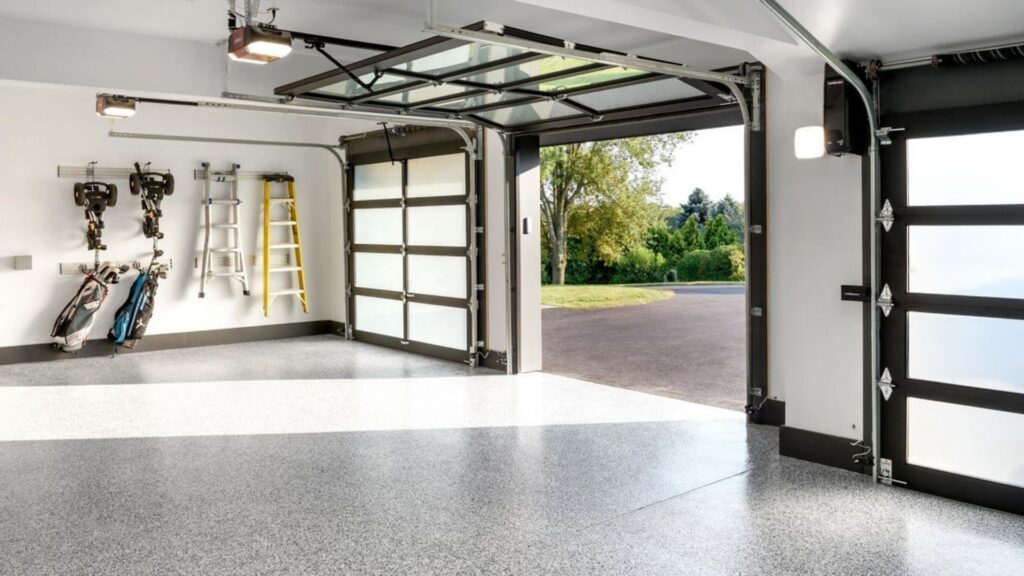
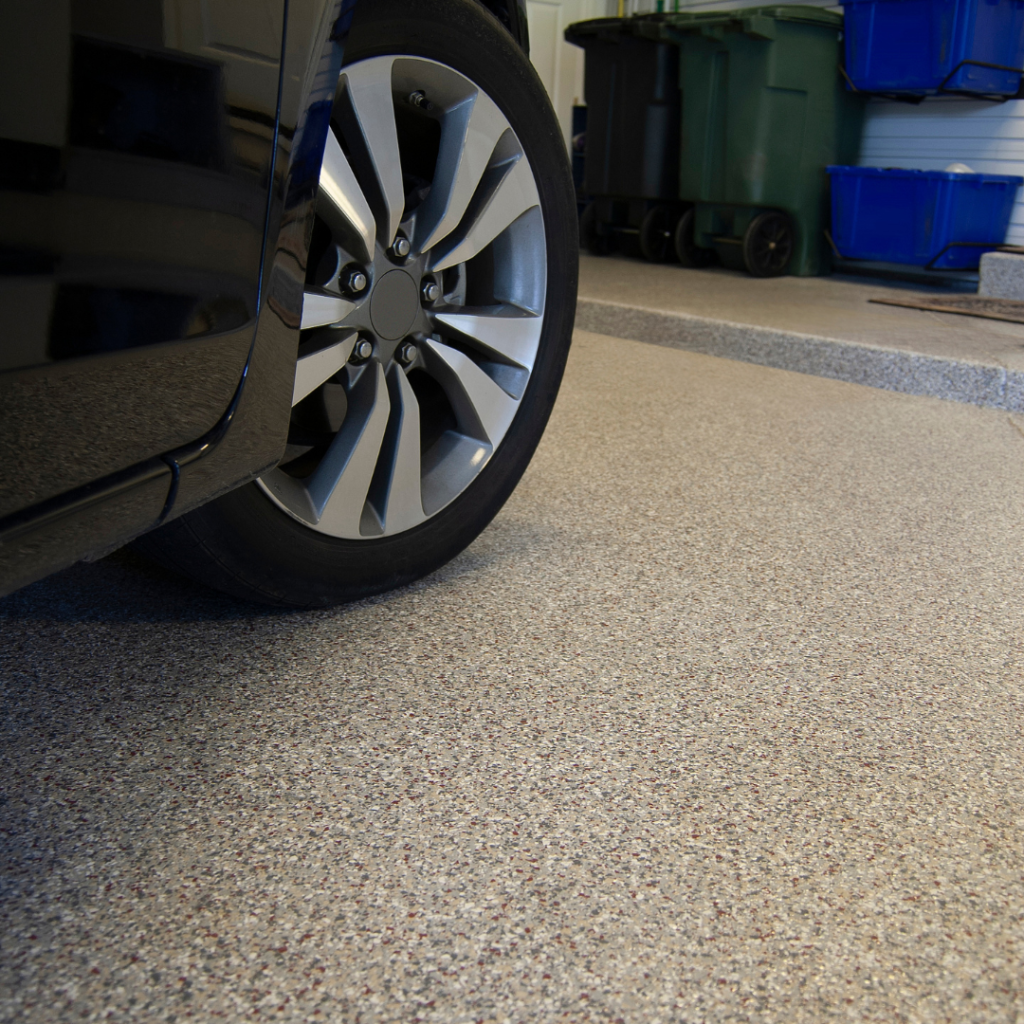
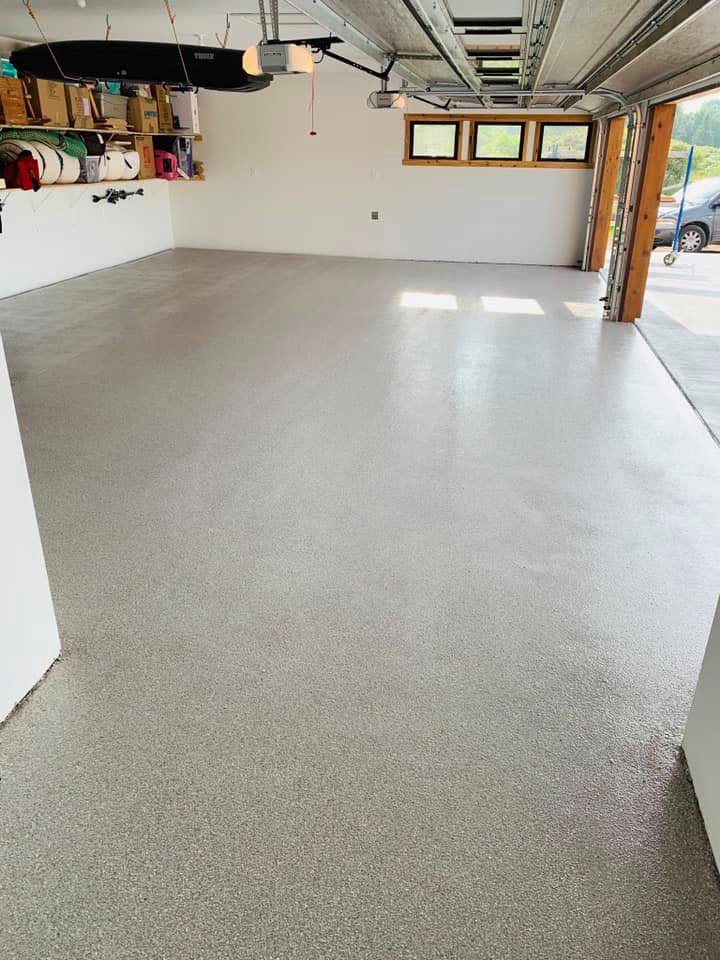
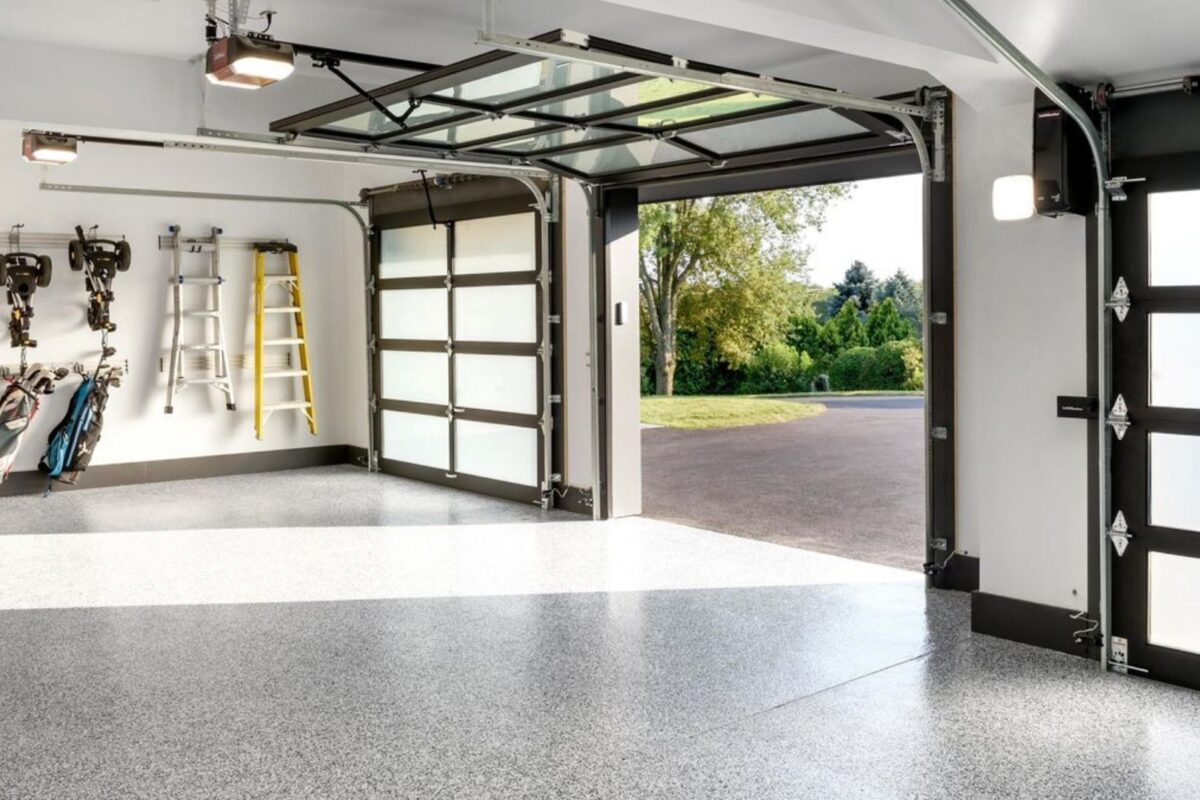
A garage epoxy floor is a type of flooring that combines resilience and aesthetic appeal, making it a popular choice for garage spaces. This flooring solution involves an additional layer of epoxy coating application. This is a type of durable resin over the concrete floor of a garage. The epoxy acts as a protective coating that resists floor stains, wear, and chemicals, which are common in a garage environment.

Epoxy flooring is known for its smooth, shiny surface that can be customized in a wide range of colors and patterns to enhance the look of the garage. This customization protects garage floors and turn it into a visually appealing part of their home. Additionally, the seamless nature of garage floor coatings makes it easy to clean and maintain. Thus, requiring only regular sweeping and occasional mopping with mild soap.

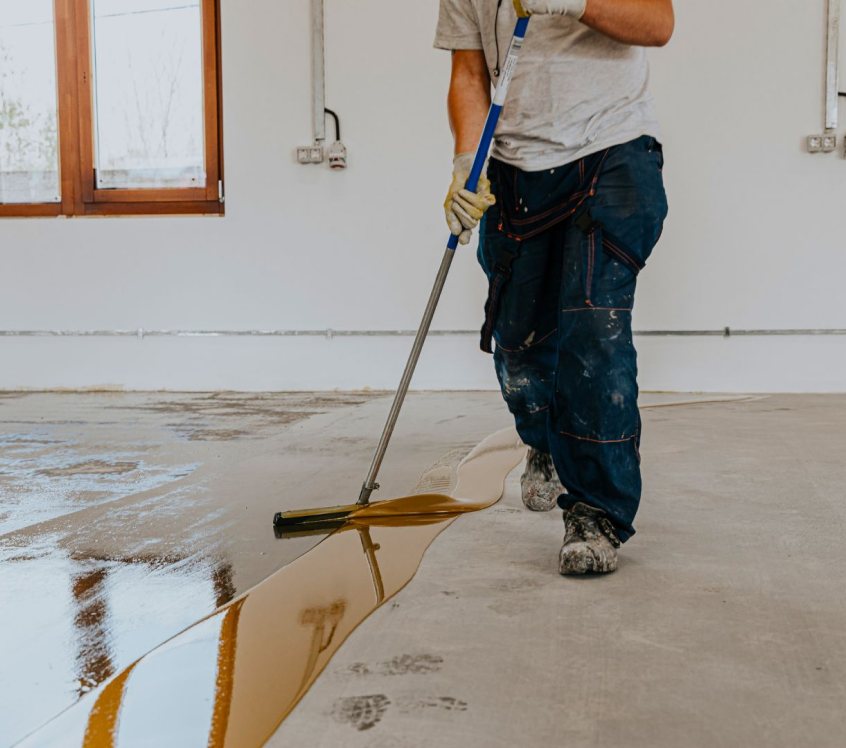
The installation process of a garage epoxy floor involves preparing the concrete surface, mixing the epoxy resin with a hardening agent, and then applying it to the floor. This mixture quickly hardens and forms a strong, durable surface that can last for many years with proper care.

Overall, a garage epoxy floor is an efficient, cost-effective way to upgrade a garage, providing a durable, easy-to-maintain surface that enhances the functional and aesthetic value of the busy home space.

Understanding Garage Epoxy Floors in Florida’s Heat

Epoxy flooring is a type of resinous coating that is applied over concrete floors or on other types of flooring to create a smooth, durable, and long-lasting surface. Its chemical composition allows it to resist degradation from sunlight, heat, and moisture—common conditions in Florida. This makes epoxy floors a popular option for garages, where extreme temperature fluctuations and direct sunlight can be intense.

While epoxy floors are highly durable, they are not indestructible. They can still be susceptible to scratches and other floor damage if not properly maintained. Homeowners need to follow the manufacturer’s recommendations for care and maintenance, including regular cleaning and avoiding the use of harsh chemicals and abrasive cleaning agents.

Recommended Reading: Can High Temperature and Humidity Affect Epoxy Floors?

The Science Behind Epoxy’s Heat Resistance

Epoxy flooring is known for its remarkable heat resistance, making it an excellent choice for places like garages, especially in warm climates such as Florida. But what is the science that makes epoxy so resilient under high temperatures?

The key to epoxy’s heat absorption lies in its thermal stability. The mixed material can endure up to a certain temperature, known as its “glass transition temperature,” beyond which it will start to soften but not necessarily melt. For most epoxy types used in garage floors, this temperature is significantly higher than what would typically be experienced, even in the Florida heat.

Moreover, epoxy’s composition includes additives that enhance its resistance to ultraviolet (UV) rays and heat. These additives prevent the entire floor from fading, cracking, or peeling, which is particularly important in sunny environments. Epoxy’s innate properties also allow it to expand and contract with temperature changes without suffering damage, ensuring a durable, stain-resistant surface year-round.

The science behind epoxy’s heat absorption is based on its unique chemical makeup and the robust structure it forms upon curing. These characteristics make it an ideal flooring solution for handling extreme conditions, including the intense heat often encountered in places like Florida garages. This resilience, combined with its aesthetic appeal, makes epoxy a smart and popular choice for many homeowners looking to enhance their garage spaces.

Recommended Reading: Breaking Down The Molecular Structures of Epoxy and Polyurethane for Better Choices

Expert Opinions: The Benefits of Epoxy Flooring in Florida

Epoxy materials are an ideal choice for flooring, especially in places that experience high temperatures. This is because they have several characteristics that make them well-suited for hot climates. Here’s a closer look at the benefits of epoxy flooring in Florida:

  1. Heat Absorption and Resistance: One of the standout features of epoxy materials is their ability to withstand high temperatures without deforming or losing integrity. This makes them ideal for garages or outdoor spaces that are exposed to the relentless sun.
  2. Durability: Epoxy floors are not only resistant to heat but also to many other signs of wear and tear. They are tough against scratches, impacts, and floor stains. This durability means they can last for many years even under harsh conditions, making them a cost-effective flooring solution.
  3. Low Thermal Conductivity: Epoxy materials do not conduct heat very efficiently, which means they can help keep functional spaces cooler. This characteristic is particularly beneficial in hot climates where keeping indoor spaces comfortable can be challenging.
  4. Moisture Resistance: Hot climates often come with high humidity, which can be tough on certain materials. Epoxy, however, has moisture resistance properties, preventing issues like mold and mildew that can arise in damp conditions.
  5. UV Resistance: Although epoxy can be sensitive to UV light, many modern epoxy floors come with UV stabilizers that help protect the flooring from the sun’s harmful rays. This prevents the beautiful color from fading and extends the life of the floor.
  6. Ease of Maintenance: Epoxy floors are incredibly easy to clean and maintain. They resist household chemical spills and don’t absorb odors, which is especially helpful in hot and humid environments where cleanliness is paramount to preventing odor buildup.

Given these characteristics, epoxy materials are an excellent choice for those living in hot climates, offering a durable, long-lasting, and aesthetically pleasing flooring solution.

Future Innovations in Epoxy Flooring Technology

As the demand for durable, cost-effective, and attractive flooring continues to grow, researchers and manufacturers are focusing on several key areas to improve epoxy flooring systems.

One of the most significant advancements is the development of more environmentally friendly epoxy resins. These new formulations reduce the emission of volatile organic compounds (VOCs), which are harmful to both the environment and human health. By utilizing bio-based epoxides and hardeners, these greener epoxy solutions maintain the strength and durability of traditional epoxy while minimizing their environmental impact.

Related Article: Breathe Easy with Non-Toxic Epoxy Flooring Solutions

In addition, the aesthetic versatility of epoxy floors is set to expand with new pigment technologies. These include photo-luminescent pigments that can glow in the dark, providing additional safety features and unique design options. There is also ongoing work on thermochromic pigments, which change color based on temperature, offering dynamic and customizable visual effects for both residential and commercial spaces.

Lastly, new formulations are being tested to enhance the thermal stability of epoxy floors, ensuring that they do not degrade or discolor when exposed to sunlight or high ambient temperatures. This is particularly important in places like Florida, where extreme heat can affect the performance and decorative appearance of flooring systems.

Final Thoughts

Selecting the appropriate garage flooring in Florida’s harsh climate is crucial for homeowners. The intense sun and heat can take a toll on ordinary flooring materials, making durability a key consideration. Garage epoxy floors provide resistance to high temperatures and UV rays which are prevalent in this region. Their resilience makes them a wise investment for those looking to enhance their garage space.

For those considering the installation of an epoxy garage flooring, professional assistance can make a difference. Apex Flooring specializes in providing epoxy solutions that withstand Florida’s extreme conditions. If you’re looking for reliable and professional installation services, contact Apex Flooring for a consultation. Their team is ready to help you choose the best flooring option for your needs.

FAQs

Yes, epoxy floors are durable and can withstand a considerable amount of heat. They can tolerate temperatures up to about 200 degrees Fahrenheit without any damage to its appearance or structure. However, prolonged exposure to higher temperatures may lead to discoloration or softening of the epoxy floor surface.

Epoxy floors are resistant to cracking due to heat. They handle a range of temperatures, which makes them suitable for environments that experience hot weather. That said, if the epoxy was not properly mixed or applied, or if the floor underneath expands and contracts significantly, there is a chance it could develop minor cracks over time.

Hot tires can leave marks on an epoxy floor due to the softening of the tire rubber, which can stick to the epoxy surface. To protect your epoxy flooring from hot tires, you can:

  • Use Mats: Placing mats where vehicles are parked can prevent tire marks.
  • Choose a High-Quality Epoxy: Choose a heat-resistant epoxy formulation that can better withstand the temperatures of hot tires.
  • Regular Maintenance: Regularly cleaning the floor can also prevent tire marks from heavy traffic from becoming permanent.

Each of these points addresses common concerns about epoxy garage flooring, providing clear and helpful information for those considering other types of flooring solutions.

With proper installation and maintenance, an epoxy floor can last between 10 to 20 years. The lifespan greatly depends on the amount of vehicle traffic and the type of activities it endures. Regular cleaning and avoiding harsh chemicals can extend the life of an epoxy floor.

Absolutely! Epoxy floor coatings can be applied to most garage floors, but the concrete must be properly prepared to ensure chemical adhesion. This preparation involves cleaning the floor thoroughly, repairing any deep cracks or floor damages, and ensuring the concrete floor surface is dry and level. Floors with excess moisture issues or those that have been sealed may not be suitable for epoxy without additional preparation. It’s always recommended to consult with a professional such as Apex Flooring to assess the condition of the garage floor before proceeding with epoxy application.t

Avatar photo

Written By:

Michael Thompson

Michael Thompson brings a deep knowledge of polymer chemistry from his Chemical Engineering studies at Georgia Tech to the forefront of his writings. With over 20 years in the industry, his articles are rich in detail about the science behind epoxy formulations and their real-world applications, guiding professionals and DIY enthusiasts alike.

Table of Contents

epoxy coatings

Call Us Now
(904) 595-9792

Related Epoxy Flooring News

Get In Touch

Get a Free Epoxy Flooring Estimate

Categories Apex

Jacksonville’s Choice: Epoxy Garage Floors | Apex Flooring

Garage Floors

Blog

Why Do 90% of Jacksonville Homeowners Choose Epoxy for Their Garage Floors?

Rachel Peter

June 26, 2024

Table of Contents

Garage Floors

When upgrading garage floors, the majority of Jacksonville homeowners are choosing epoxy—and for good reason. Epoxy flooring offers a blend of durability and style that is hard to match with other materials. It’s not just about making the garage look good. It’s about transforming a practical space that often faces harsh treatment from oil spills, heavy traffic, and dropped tools. Epoxy stands out by not only resisting this daily wear and tear. They also enhance the overall value of the home with its sleek, professional appearance.

Why is this flooring option gaining such traction among the locals? This article discusses the core reasons behind epoxy’s popularity in Jacksonville homes. We’ll explore how epoxy addresses common flooring challenges with remarkable efficiency. Keep reading to discover how you, too, can benefit from this innovative flooring solution.

The Challenge: Common Garage Flooring Problems in Jacksonville

Garage flooring in Jacksonville faces several common challenges that can affect its longevity and appearance. The humid subtropical climate of the area, characterized by hot summers and mild winters, can be particularly tough on garage floors. This climate contributes to a few specific problems:

Moisture Damage

One of the biggest problems for garage floors in Jacksonville is moisture damage. The city’s average humidity levels often exceed 70%, which is higher than the recommended indoor humidity levels of 30 to 50%. This moisture can lead to cracks and discoloration over time. Epoxy coatings are often favored because they provide a moisture-resistant surface that helps prevent such damage.

Recommended Reading: Can High Temperature and Humidity Affect Epoxy Floors?

Heat and UV Exposure

During Jacksonville’s hot summers, the intense sun and UV rays can cause significant fading and deterioration in garage floors that are not adequately protected. Epoxy garage floors come with a UV-resistant layer and thermal shock resistance that help maintain the color and integrity of the flooring even under constant sun exposure.

Chemical Spills and Stains

Garage floors in Jacksonville often endure spills from oils, gasoline, and other chemicals. These substances can easily stain and deteriorate uncoated concrete. Epoxy flooring provides a non-porous, smooth surface that resists these chemicals, making it easier to clean up spills without leaving stains.

Wear and Tear from Vehicle Traffic

Regular use of heavy vehicles can stress garage floors, leading to cracks and wear over time. The durable nature of epoxy flooring helps it stand up better to the ongoing stress of vehicle traffic, making it a long-lasting solution for many homeowners.

By addressing these common challenges with a reliable solution like epoxy, Jacksonville homeowners can enjoy a more durable, attractive, and low-maintenance garage floor. This helps explain why many choose epoxy to upgrade and protect their garage spaces.

Epoxy Solutions: The Ultimate Answer for Garage Floors

Jacksonville Garage

Epoxy is a type of synthetic resin that, when applied, forms a strong, hard coating. Once it’s mixed and laid down, it cures to become a smooth, continuous surface that can resist wear and tear far better than bare concrete. This resilience makes it particularly suitable for garages, which often have to endure heavy vehicles.

One of the standout features of epoxy flooring is its resistance to stains. Oil, brake fluids, and other automotive chemicals can easily be wiped off without leaving a mark, which is a significant advantage for any garage. Moreover, the smooth surface is water-resistant, preventing the damage that can come from spills or moisture tracked in by cars during rainy or snowy weather.

From a maintenance perspective, epoxy floors are remarkably low-efficiency. They require only regular sweeping and occasional mopping with mild soap and water to maintain their appearance. This ease of care is a major draw for busy homeowners who prefer spending their time on hobbies or with family rather than on labor-intensive home upkeep.

Aesthetically, epoxy offers a range of options that can be tailored to any homeowner’s taste. It is available in a wide variety of colors and finishes, including options that mimic granite, quartz, or even intricate patterns. For those looking to customize their space, decorative flakes or quartz can be added to the epoxy during the laying process to create a texture or accurate designs that enhances the garage’s overall look.

Epoxy solutions provide an effective, durable, and attractive and perfect choice for garages. Its robust nature ensures it can handle the heavy demands of garage use while its variety of long-lasting finishes allows homeowners to create a space that is both functional and stylish. Whether you’re renovating an old garage or finishing a new one, epoxy flooring stands out as a smart, long-lasting investment.

Decoding Garage Epoxy: Composition and Quality

The quality of epoxy flooring largely depends on the proportion and type of resins and hardeners used. High-quality epoxy contains a higher percentage of solids in the resin, which contributes to the floor’s thickness and longevity after the curing process. Standard commercial epoxy has about 40–60% solid content, but premium grade epoxy can go up to 100%, providing a denser, more durable floor.

In addition to its robust composition, the quality of garage epoxy flooring is enhanced through various additives. These include pigments for color, metallic flakes for a decorative elements, and slip-resistant grit for safety and peace of mind. The inclusion of UV inhibitors is also crucial for preventing color fading and degradation from sunlight exposure, which is particularly important in sunny locales.

The application process further influences the epoxy’s quality. Proper surface preparation, such as cleaning and degreasing the concrete base and repairing any cracks, is essential before the epoxy mixture is applied. This ensures that the epoxy adheres well and lasts longer. The epoxy should be applied in a temperature-controlled environment to prevent bubbles and ensure it cures evenly and smoothly.

Recommended Reading: Breathe Easy with Non-Toxic Epoxy Flooring Solutions

Cost Analysis: Investing in Epoxy vs. Traditional Flooring

When comparing the costs of epoxy flooring with traditional flooring options like concrete or tiles, homeowners in Jacksonville often find that investing in epoxy offers a balance of durability and cost-effectiveness that is hard to beat.

Epoxy flooring is initially more expensive than plain concrete floors but generally cheaper than ceramic tiles. The price for installing epoxy can range from $3 to $12 per square foot. This cost range depends on factors such as:

  • the condition of the existing floor
  • the complexity of the custom design
  • and the quality of the epoxy flooring materials used

On the other hand, plain concrete flooring might cost less initially, typically between $1 to $3 per square foot. However, it lacks the protective benefits and aesthetic options that epoxy offers. Concrete surfaces are prone to cracking, and staining, and requires more frequent resurfacing, which can add to its long-term maintenance costs.

Ceramic tiles, while offering a wide range of design schemes, can be quite costly, ranging from $8 to $20 per square foot installed. Tiles also involve a more complex installation process and higher labor costs. They are durable but can crack under heavy impact and the grout may need periodic sealing to prevent stains.

While the initial cost of epoxy might be higher than some traditional options, its durability and low maintenance requirements make it a smart investment for many homeowners. Epoxy floors not only add value to a property through their appearance and longevity but also by reducing the need for costly repairs and updates.

Epoxy Flooring Lifespan: What You Need to Know

One of the key advantages of epoxy flooring is its lifespan. With proper installation and care, epoxy floors can last anywhere from 5 to 30 years, depending on the level of traffic and the general usage conditions.

To maximize the lifespan of an epoxy floor, proper installation is crucial. The concrete base needs to be properly prepared, which includes:

  • repairing any cracks or damage
  • ensuring the surface is level
  • and cleaning it thoroughly to remove any dust or debris

Proper preparation helps the epoxy adhere properly and prevents issues like bubbling or peeling.

Once installed, maintaining an epoxy floor is relatively straightforward. Regular cleaning with mild soap and water is generally enough to keep the beautiful floor looking new. Avoiding abrasive cleaners and tools will help prevent scratches and maintain the integrity of the epoxy surface.

Conclusion

Epoxy flooring is the popular choice for Jacksonville homeowners due to its durability, ease of maintenance, and aesthetic flexibility. This ideal flooring solution addresses common garage challenges such as moisture, chemical spills, and heavy traffic, making it a practical and stylish choice. Its ability to resist wear and tear while offering a range of custom designs—from vibrant colors to unique textures—allows homeowners to personalize their useable space without sacrificing functionality.

For those ready to enhance their garage with durable, attractive flooring, Apex Flooring provides expert and quick installation services tailored to your specific needs. With a reputation for quality and customer satisfaction, Apex Flooring can help transform your garage into a high-value area of your home. Contact Apex Flooring today to discuss your epoxy flooring options and take the first step towards a stunning, resilient garage floor.

FAQs

People choose epoxy for their garage floors mainly due to its robustness and aesthetic appeal. Epoxy coating options transform a typical, dull garage into a bright and professional-looking space. It’s resistant to stains from chemicals like oils and grease, which are common in garage environments. Moreover, it’s easy to clean, requiring just mild soap and water, making it ideal for busy homeowners who value both functionality and style in their garages.

Yes, epoxy is an excellent choice for garage floors. It’s designed to withstand the heavy traffic typical of garage spaces, from cars and bikes to tools and heavy loads of machinery. Epoxy flooring is not only tough against impact and abrasion but also moisture-resistant, which is crucial in environments that may be exposed to spills or dampness. Additionally, the seamless surface of epoxy prevents dirt and dust from accumulating, making the garage easier to maintain over time.

Applying an epoxy coating to a garage floor can indeed increase home value. A well-applied epoxy floor improves the aesthetic of the garage, making it look clean and finished. This visual appeal can be a significant advantage when selling a home, as prospective buyers appreciate the clean, professional appearance and the reduced need for immediate maintenance or repair. Furthermore, the durability and longevity of epoxy can be a selling point, indicating to buyers that the garage is well-cared-for and ready for immediate use.

Epoxy flooring offers several benefits that make it a popular choice for not just garages but many areas subject to heavy use or requiring minimal maintenance. Key benefits include:

  • Durability
  • Ease of Maintenance
  • Aesthetic Variety
  • Safety Features
  • Cost-Effectiveness

These features make epoxy flooring an attractive option for those looking to enhance the functionality and appearance of their garage space.

Avatar photo

Written By:

Rachel Peter

Rachel Kim, from Northwestern University’s journalism school, excels in making complex technical topics accessible. Her focus on the benefits and customer information of epoxy floors over the past 15 years has helped many readers understand how to choose and care for their flooring investments effectively.

Table of Contents

epoxy coatings

Call Us Now
(904) 595-9792

Related Epoxy Flooring News

Get In Touch

Get a Free Epoxy Flooring Estimate

Categories Apex

Epoxy Floors vs. Traditional Flooring: Cost & Value Analysis

Cost Analysis

Blog

Epoxy Floors vs. Traditional Flooring: Cost & Value Analysis

Hannah Clark

June 19, 2024

Cost Analysis

In home renovation, solid epoxy floors can significantly influence both aesthetics and functionality. Traditionally, homeowners have leaned towards options like hardwood, tile, and carpet. However, a notable shift has been occurring, with solid epoxy flooring emerging as a robust contender. Epoxy is progressively favored for its modern appeal and long-term cost-effectiveness.

This article provides an extensive comparison of solid epoxy floors with traditional flooring solutions. We aim to equip you with detailed insights to make an informed decision on the best flooring for your home. Continue reading to explore which option offers the long-term value.

What is Solid Epoxy Flooring?

Solid epoxy flooring is a specialized type of floor coating that combines resilience and aesthetic appeal. This flooring solution is crafted from epoxy, a polymer that hardens upon curing, providing a durable and seamless finish. Predominantly used in commercial and industrial settings, solid epoxy flooring is also gaining traction in residential spaces due to its robust characteristics.

It is characterized by its efficient installation process and the singular, uniform color that spans the entire surface. Despite the name “solid color,” property owners can select from a broad spectrum of colors, allowing customization to fit any décor or branding requirements.

Suggested Reading: Breaking Down The Molecular Structures of Epoxy and Polyurethane for Better Choices

Benefits of Epoxy Flooring

  • Durability: Epoxy floors are popular for their strength and are resistant to wear. This makes them suitable for areas with heavy foot traffic and heavy machines or equipment.
  • Ease of Maintenance: The seamless nature of the durable floor prevents the accumulation of stubborn dirt and debris, making it easy to clean. A simple sweep and mop are all it takes to keep the floor looking shiny.
  • Aesthetic Versatility: Available in a wide range of colors, epoxy flooring can be tailored to suit any aesthetic preferences or functional needs.
  • Chemical Resistance: Epoxy floors can withstand exposure to various harsh chemicals, which is ideal for warehouses or manufacturing plants.
  • Safety Features: Options to add anti-slip epoxy coatings or reflectivity enhance safety by reducing slip hazards and improving visibility.

This overview should help clarify what solid epoxy flooring is and why it might be the right choice for various flooring needs, blending practical benefits with aesthetic flexibility.

The Cost of Installing Solid Epoxy Flooring

Installing solid epoxy flooring is an excellent choice for residential and commercial properties. This epoxy type of flooring involves applying a thick coating of epoxy resin over a concrete substrate, which, after curing, creates a smooth surface.

The average cost of installing solid epoxy flooring can vary widely depending on several factors. Primarily, the size of the area to be covered plays a significant role in determining the overall expense. On average, homeowners and business owners can expect to pay between $3 and $12 per square foot. This price range includes both epoxy flooring materials and labor costs for professional installation:

Material Cost

Materials account for a large portion of the expenses. High-quality epoxy resin costs between $30 and $150 per gallon, enough to cover approximately 100 to 150 square feet. The type of epoxy used—whether water-based epoxy, solvent-based, or 100% solids—also affects the cost, with 100% solids being the most expensive but also the most durable and long-lasting.

Labor Cost

Labor costs are influenced by the condition of the existing floor, the complexity of the job, and the geographic location. Floors that require extensive preparation, such as crack repair or leveling, will increase the total cost. Professional installers usually charge by the square foot or by the hour, with rates ranging from $1 to $7 per square foot or $30 to $80 per hour.

Special Features

There are other potential expenses, such as decorative flake finishes and textured surfaces. Some contractors may charge extra for moving furniture or fixtures and for the disposal of previous flooring materials.

While the initial investment in solid epoxy flooring installation might seem high, its longevity and minimal upkeep requirements make it a cost-effective choice in the long run. This flooring solution not only offers a visually appealing floor finish. It is also a highly resistant surface to stains, abrasions, and chemicals, making it a practical investment for many.

Longevity and Durability: Epoxy vs. Traditional Flooring

When comparing the longevity and durability of epoxy flooring to traditional flooring options like hardwood, tile, or carpet, several distinct advantages emerge in favor of epoxy.

Epoxy Flooring: Epoxy is renowned for its resilience and robustness. This synthetic flooring material is made from a mixture of resins and hardeners, which chemically bond to create a rigid plastic surface. This composition not only makes epoxy waterproof but also resistant to wear and tear from heavy traffic and industrial load. Epoxy floors can last anywhere from 10 to 20 years if properly maintained, depending on the volume of traffic and the environment in which they are installed. They are also resistant to stains, grease, and chemicals, making them ideal for garages, warehouses, and industrial settings.

Traditional Flooring: Traditional materials, while popular for their aesthetic appeal, have varying degrees of durability:

  • Hardwood floors are susceptible to scratches, dents, and water damage. With diligent care, they can last for decades, but they often require refinishing every 10 years or so to maintain their visual appearance.
  • Tile is durable and water-resistant, making it a popular choice for areas with moisture, like bathrooms and kitchens. However, tiles can crack under impact, and the grout may need to be replaced over time to prevent moisture and mold buildup.
  • Carpet is comfortable underfoot and offers a variety of textures and colors. However, it is prone to staining and can accumulate allergens, requiring regular deep cleaning. Carpets typically need to be replaced every 5 to 15 years, depending on traffic and quality.

In environments where longevity and minimal maintenance are priorities, epoxy flooring often outshines traditional options. Its ability to withstand harsh conditions without frequent repairs or replacements offers a significant long-term expense advantage. However, for residential spaces where comfort and aesthetics are more crucial, traditional materials like wood or carpet might be preferred despite their higher maintenance needs.

Suggested Reading: Why Retail Giants Like Walmart Choose Commercial Epoxy Flooring?

Maintenance Costs: Epoxy Flooring vs. Hardwood and Carpet

When considering the financial aspects of flooring choices, it’s important to explore the initial installation costs and the ongoing maintenance expenses associated with epoxy flooring, hardwood, and carpet. Here’s a more detailed breakdown:

Epoxy Flooring

The initial installation cost of epoxy flooring ranges from $3 to $12 per square foot, depending on the complexity of the design and the condition of the underlying floor. This makes it a moderately priced option initially.

In terms of maintenance, epoxy flooring is very cost-effective, generally requiring only routine cleaning with no expensive cleaning supplies or professional services. The durability of epoxy also means a less frequent need for repairs or replacement, often lasting 10 to 20 years or more with proper care.

Hardwood Flooring

Hardwood flooring costs more upfront, ranging from $6 to $22 per square foot, based on the type of wood and finish selected. Maintenance costs can add up due to the need for special cleaning agents, periodic refinishing, and susceptibility to damage.

Refinishing can cost between $3 and $8 per square foot, and it’s recommended every 7 to 10 years for residential spaces, or more frequently in high-traffic commercial spaces. Despite the higher ongoing care costs, hardwood can last for decades, even a century, with proper maintenance.

Carpet

Carpet is often the cheapest option upfront, with costs ranging from $1 to $5 per square foot depending on the quality and type of material. However, it requires more frequent cleaning, which can include both regular vacuuming and annual deep cleanings by professionals. This typically costs between $0.15 and $0.50 per square foot per cleaning.

Carpets may also need to be replaced every 5 to 15 years, depending on the quality and traffic levels, making them potentially more expensive over the long term than the initial savings might suggest.

Comparing Epoxy Flooring to Tile

Tile flooring offers a wide range of options in terms of materials, colors, and patterns, including ceramic, porcelain, and stone tiles. The cost of tile flooring can vary significantly, ranging from as low as $1 to $15 per square foot, heavily influenced by the type of tile chosen. Floor tiles are well-appreciated for their water resistance and ease of maintenance, making them ideal for bathrooms and kitchens.

Unlike epoxy, tiles can be easily replaced if damaged. They also offer better potential for customization in aesthetic terms. However, the grout lines in tile flooring require regular cleaning to prevent mold and mildew, and the surface can be slippery when wet unless textured treatments are applied.

The choice between epoxy and tile flooring depends on the specific needs, budget, and style preferences of the property owner.

Epoxy vs. Laminate Floors: Which is More Cost-Effective?

Laminate flooring offers a cost-effective alternative with a shorter installation time. It is composed of multiple layers—a core layer of dense fiberboard topped with a photographic image layer and a clear protective layer. While not as durable as epoxy, laminate can last between 15 to 25 years if well-maintained. It is resistant to scratches and easy to clean, making it suitable for areas with moderate foot traffic, like living rooms and offices. The cost of laminate flooring typically ranges from $1 to $5 per square foot, making it a more budget-friendly option upfront.

In terms of cost-effectiveness, laminate flooring is more economical initially due to its lower installation costs and minimal preparation requirements. However, epoxy flooring might be more cost-effective over time, particularly in environments that demand a tougher, longer-lasting surface. The choice between epoxy and laminate flooring ultimately depends on the specific needs of the space, including traffic levels, moisture exposure, and budget constraints.

Is Epoxy Flooring Worth the Investment?

Epoxy flooring is often considered a smart investment for residential and commercial properties. This type of flooring is known for its resilience, ease of maintenance, and can withstand heavy foot traffic. Thus, making it an excellent choice for anyone looking to upgrade their floor system.

Apex Flooring in Florida specializes in epoxy floor installations. They provide services that are not only reliable but also tailored to meet the unique needs of each space. Whether it’s a garage, a warehouse, or a stylish living room, epoxy floors offer a versatile solution that enhances both functionality and aesthetics.

For those considering epoxy floors, Apex Flooring offers a free consultation and quote. This no-obligation service allows potential customers to explore various attractive options and understand the long-term benefits of investing in epoxy flooring.

Don’t hesitate to reach out to Apex Flooring to schedule your free consultation and receive a quote today. Transform your space with a flooring option that combines beauty with resilience.

FAQs

The cost of epoxy flooring ranges from $3 to $12 per square foot, depending on the complexity of the design and the condition of the existing floor. This is relatively economical when compared to hardwood flooring, which can range from $6 to $22 per square foot. Epoxy flooring is generally considered cost-effective than other high-end flooring solutions like hardwood or marble.

Absolutely! Epoxy floors can increase home value, particularly in spaces like garages, basements, and utility areas where durability and maintenance are significant concerns. By providing a glossy finish that provides resistance to stains and wear, epoxy floors make these areas more appealing to potential buyers, potentially increasing the property’s overall marketability.

Yes, epoxy floors are worth the investment for many homeowners. This is because of their longevity, resistance to damage, and low maintenance needs. They are particularly valuable in areas of high traffic or where chemical spills are possible, as they withstand harsh conditions without deteriorating. Additionally, their aesthetic appeal can be customized to fit various decors, making them a versatile choice for both residential and commercial applications.

Epoxy and polyurethane are both types of synthetic resins used in floor coatings, but they differ significantly in their properties and applications. Epoxy is renowned for its strength, bonding capabilities, and durability, making it ideal for heavy-duty industrial environments. Polyurethane, on the other hand, is more flexible and resistant to UV radiation, making it better for areas exposed to sunlight. It also has a higher resistance to scratches and impacts, which can be advantageous in commercial settings.

The cost to epoxy a garage floor typically ranges from $1,500 to $3,000 for a standard 2-car garage. This estimate includes surface preparation, the cost of materials, and professional labor. Factors that can affect the cost include the current condition of the concrete floor, the complexity of the color and design chosen, and any necessary repairs or surface preparation required before application.

Avatar photo

Written By:

Hannah Clark

Hannah Clark, leveraging her Civil Engineering background from the University of Florida, has specialized in material sciences and sustainability, focusing particularly on epoxy flooring. Over her 15-year career, Hannah has provided insightful content that explains the technical benefits and innovative applications of epoxy in both residential and commercial settings.

Table of Contents

epoxy coatings

Call Us Now
(904) 595-9792

Related Epoxy Flooring News

Get In Touch

Get a Free Epoxy Flooring Estimate

Categories Apex

Why Epoxy Flooring Is an Excellent Choice for Hot Weather

Epoxy Flooring for Hot Weather

Blog

Why Epoxy Flooring Is an Excellent Choice for Hot Weather

James Wilson

June 5, 2024

Table of Contents

Epoxy Flooring for Hot Weather

Imagine you walk barefoot on a surface that stays cool and comfortable, even under the scorching summer sun. Epoxy flooring offers this cool haven. It is a marvel of modern engineering. As temperatures rise each year, choosing the right flooring for hot weather becomes crucial. It’s not only about looks; it’s also about comfort and durability.

In this article, we will explore why epoxy flooring is the best choice for high temperatures. We will look at the various types available. Each type meets different aesthetic and functional needs. We will also consider key factors to make sure your floor withstands the summer heat. Follow our guide to make your space stylish and ready for summer.

Benefits of Epoxy Flooring in Hot Weather

Epoxy flooring is a smart and resilient choice for areas that experience high temperatures. Known for its hard-wearing properties, epoxy resin coatings offer a surface toughness that stands up to the rigorous conditions of hot climates.

Enhanced Durability and Chemical Resistance

In warmer regions like Southwest Florida, where our epoxy flooring installers in Fort Myers, FL work, flooring must endure more than just foot traffic. It also faces increased wear from thermal expansion and contraction. Epoxy floors provide exceptional durability. They cope well with the heavy use common in commercial and industrial settings

Moreover, the chemical structure of epoxy resins creates a resistant barrier. This barrier can handle chemical spills, oil stains, and other corrosive substances. Such resistance is especially beneficial in spaces like commercial kitchens, where spills often occur.

Protection Against UV Damage

Prolonged exposure to the sun’s ultraviolet (UV) rays can cause considerable damage to floors by fading colors and weakening the material. However, epoxy coatings can be formulated with UV inhibitors, offering significant protection against sun damage. This preserves both the functional and aesthetic qualities of the floor over time, maintaining a consistent and vibrant appearance without the fading or yellowing that can occur with other types of flooring.

High Heat Resistance

Epoxy floors are composed of polymers that withstand higher temperatures compared to conventional flooring materials. This heat resistance ensures the floor’s integrity even when subjected to the intense heat of direct sunlight or the high-temperature conditions of certain industrial processes. It is crucial for environments where thermal stability is a necessity for both safety and performance.

Easy Maintenance and Cleaning

One of the standout features of epoxy flooring in hot weather is how easy it is to maintain. Epoxy coatings have a seamless finish. This leaves no space for dirt and grime to hide, which makes cleaning simple. You can easily sweep or mop away dirt and debris. There are no deep grout lines or textures that trap contaminants.

Additionally, the non-porous surface of epoxy repels water and other liquids. This reduces the risk of mold and bacteria growth in humid conditions, which is why it performs so well in coastal climates like the one our epoxy floor installers in Savannah, GA work in. This hygienic feature is crucial for both residential and commercial spaces, especially those needing high cleanliness standards.

Epoxy flooring is a strong choice for hot weather. It offers durability, chemical and UV resistance, heat stability, and easy maintenance. These qualities make it an excellent option for various uses. It ensures long-lasting performance and ease of care, even in tough climates.

Types of Epoxy Flooring for Hot Weather

When dealing with high temperatures, choosing a flooring solution that maintains both function and form is essential. Epoxy flooring is a resilient option. It offers several types specifically suited for hot weather. Each type has unique benefits and applications. This makes them suitable for various needs and aesthetic preferences.

Epoxy Floor Coatings

Epoxy floor coatings are popular in areas that face high temperatures. These coatings form a hard, durable surface. They can handle the wear and tear of heavy foot traffic and industrial activities. You can choose from solid colors and decorative options. These include decorative flakes to enhance the appearance.

Professionals install these coatings to ensure a seamless finish. They add UV resistance to prevent fading and degradation from sun exposure. Notably, epoxy’s chemical resistance acts as a shield. It protects against oil stains and other substances. This makes epoxy a practical choice for areas like garages and commercial kitchens.

Epoxy Metallic Flooring

For those seeking durability and unique aesthetics, epoxy metallic flooring is an excellent choice. This type of epoxy includes metallic pigments. It creates a lustrous, dynamic surface that looks like marble or rippling water. Epoxy metallic flooring is not only visually impressive but also structurally beneficial.

Like regular epoxy, it withstands high temperatures, resists chemicals, and is impact-resistant. These qualities make it ideal for both residential and commercial applications. In these settings, style and function must blend seamlessly.

In summary, when choosing epoxy flooring for high-temperature environments, consider the floor’s exposure to sun, chemicals, and heavy use. Epoxy floor coatings and metallic epoxy flooring, each offer unique features. They ensure there is an ideal epoxy solution for every hot weather challenge.

Key Considerations for Hot Weather Epoxy Flooring

When choosing epoxy flooring for hot environments, you must consider several key factors. These include the floor’s ability to resist impact and heavy foot traffic without damage. A seamless finish is crucial. It provides aesthetic appeal and helps resist heat-induced cracking and blistering.

Additionally, resistance to oil stains and chemicals is essential in places like garages, workshops, and commercial kitchens. By considering these factors carefully, you can ensure the longevity and durability of your epoxy flooring investment in hot climates.

Impact Resistance and Foot Traffic

Epoxy floors are famous for their durability and strength. These qualities are vital for flooring systems that face frequent high impacts or heavy foot traffic. This durability is crucial in places like retail stores, industrial sites, and public venues. In these areas, the floor must stay intact despite constant use.

When looking at options, focus on epoxy flooring solutions that are impact-resistant. These are usually reinforced with strong aggregate materials. This reinforcement helps the floor stay resilient and functional, even in very hot conditions.

Seamless Finish for Avoiding Cracks and Blisters

A seamless finish in epoxy flooring helps with maintenance and hygiene. It also plays a key role in resisting heat. Hot weather can make flooring materials expand and contract. This can lead to cracks and blisters that may weaken the floor’s structure.

To prevent these problems, you should choose expertly installed epoxy flooring with a seamless finish. This type of finish provides a continuous surface that withstands thermal expansion better. It reduces the chances of heat-related damage and keeps the surface smooth and attractive in any setting.

Resistance to Oil Stains in Garages and Workshops

Garages and workshops often experience spills, such as oils and lubricants. These can leave stubborn stains on flooring. Epoxy flooring is non-porous, making it highly resistant to such contaminants. When professionals install it, like the Apex crew that handles epoxy garage floors in metro Atlanta, this flooring option provides a surface that repels oil stains. This makes cleanup easy and prevents the unsightly blemishes that other flooring types might suffer.

Its resistance to oil and similar substances keeps floors in these hot, messy environments looking pristine with minimal effort.

Chemical Resistance for Commercial Kitchens and Industrial Settings

In commercial kitchens and industrial settings, floors often face exposure to harsh chemicals. These might include spilled ingredients or cleaning agents. The chemical resistance of epoxy flooring is a crucial feature in these environments. It ensures that the surface does not degrade or disintegrate when it contacts aggressive chemicals. This helps maintain a safe and clean environment.

When choosing epoxy flooring for such areas, it is critical to select a formula specially designed for high chemical resistance. This choice will protect against the tough demands of these hot, chemically-intensive workplaces.

Decorative Options for Hot Weather Epoxy Flooring

When dealing with hot climates, it is crucial to choose the right decorative options for epoxy flooring. These choices affect both aesthetics and the floor’s integrity. Epoxy floors are durable and can resist high temperatures. However, certain finishes and colors can improve their performance in hot weather.

Choose lighter shades that reflect sunlight and retain less heat, a point our epoxy flooring installers in Boca Raton raise often given how strong the South Florida sun gets. Additionally, it is essential to use UV-resistant topcoats. These prevent yellowing or degradation of the epoxy resins from prolonged sun exposure.

Solid Color Epoxy Floors

Solid color epoxy floors are a popular choice for those seeking a simplistic yet modern look. Perfect for both residential and commercial spaces, these floors offer a uniform appearance that can help to create the illusion of a larger, more open space. Available in a wide variety of colors, you can tailor solid color epoxy floors to match any design aesthetic. Importantly, for hot weather environments, opting for lighter colors will assist in minimizing heat absorption in sunny areas.

Decorative Flakes and Patterns

To add depth and texture to your epoxy flooring, you can incorporate decorative flakes, also known as color chips, into the epoxy coating. These flakes are available in various colors, sizes, and blends. This variety allows for customization to match any decor style. When you spread them across the floor, they create unique patterns. These patterns can hide imperfections and boost the floor’s visual appeal.

For hot climates, it is wise to choose flakes in lighter hues. These can complement the solid base color and enhance the floor’s heat-reflective properties.

Other Decorative Options

Epoxy floors provide many decorative options besides solid colors and flakes. For example, metallic epoxy floors offer a glossy finish with a rippling design. This design can mimic natural stone or flowing water. You can choose either solvent-based or water-based epoxies depending on the effect you desire.

Additionally, you can add logos or intricate designs to the floor. You can use stencils or custom-made patterns for this purpose, making it ideal for branding or personalizing a space.

For hot weather, it is essential to include UV-resistant additives. These additives help preserve the longevity and beauty of the decorative finishes.

Maintenance Tips for Epoxy Flooring in Hot Weather

Maintaining your epoxy flooring in hot weather is vital to ensure its longevity and aesthetic appeal. As temperatures rise, certain maintenance steps can help preserve the quality and look of your floor. Here are some essential tips to keep your epoxy floors in top condition during the hot months.

Regular Cleaning and Sweeping

Regular cleaning is crucial in maintaining the luster and slip resistance of epoxy floors, especially in hot weather when dust and debris may stick to the surface more readily. Sweeping daily with a soft-bristle broom can prevent the accumulation of grit that can scratch the surface. For a deeper clean, mop with a gentle, non-abrasive cleaner diluted in warm water. Be sure to:

  • Avoid harsh chemicals that could degrade the epoxy resin
  • Rinse thoroughly with clean water to remove any soap residue
  • Dry with a soft towel or let air dry completely to prevent water spots

Preventing Sun Damage and Fading

Epoxy floors exposed to sunlight need extra protection to prevent UV damage, which can lead to discoloration and weakening of the material. Employ strategies such as:

  • Using UV-resistant topcoats to act as a barrier against sun rays
  • Installing blinds or curtains to control the amount of sunlight hitting the floor
  • Applying a new UV-resistant layer when signs of aging appear

By taking preemptive action, you can help ensure that your floor remains vibrant and unaffected by the sun’s harsh effects.

Dealing with High Humidity and Moisture

Hot weather often brings increased humidity, which can impact epoxy floors by creating a breeding ground for mold and mildew. To combat moisture:

  • Maintain a controlled indoor environment with air conditioning or dehumidifiers
  • Address any spills or moisture accumulation immediately to prevent slipping hazards and potential water damage
  • Inspect for any signs of peeling or bubbling in the coating, which can indicate moisture has seeped underneath

Effective moisture management can prevent structural issues and maintain the integrity of the epoxy coating.

Protecting Against Furniture and Equipment Damage

Furniture and heavy equipment can cause scratches and gouges in epoxy floors. To protect your flooring:

  • Use protective pads under furniture legs and heavy machinery to distribute weight
  • Avoid dragging sharp or heavy objects across the floor
  • Regularly inspect and replace any worn protective coverings to ensure continuous protection

Protecting against physical damage is key to preserving the smooth, seamless finish of your epoxy flooring. By following these maintenance tips, you can keep your epoxy flooring looking new and performing optimally even in the hottest weather conditions, including the relentless summer heat and Gulf Coast humidity our epoxy flooring installers in St. Petersburg, FL plan for on every project.

Conclusion

This guide has shown that epoxy flooring is an exceptional choice for keeping floors cool, durable, and stylish in hot weather. It resists high temperatures, UV damage, and chemicals. This makes it perfect for various places, from busy commercial kitchens to peaceful homes.

Apex Epoxy Flooring is your trusted partner for the perfect flooring solution in any setting. Are you updating your home, business, or industrial space? Their expert team will deliver high-quality results that combine function and style seamlessly. They offer UV-resistant coatings and decorative finishes to ensure your floors look great and perform well in any conditions.

Choose Apex Epoxy Flooring, the leading epoxy contractor for residential, commercial, and industrial projects. Contact them today to prepare your space for summer.

FAQs

Yes, epoxy flooring is highly suitable for hot climates due to its ability to withstand high temperatures. It remains cool underfoot, even in direct sunlight, making it a comfortable choice for summer.

Epoxy floors can be specially formulated with UV inhibitors to prevent fading and degradation from prolonged sun exposure. This makes them an excellent option for areas that receive a lot of direct sunlight.

Epoxy flooring is designed to handle the thermal expansion and contraction that often occurs in hot weather. Its seamless finish helps prevent cracks and blisters that can be caused by extreme temperature changes.

Yes, there are specific high-temperature epoxy formulations available that can withstand greater heat without losing integrity or appearance. These are ideal for environments with very high ambient temperatures.

Epoxy flooring is not only durable and easy to maintain, but it also offers chemical and UV resistance, which are essential in both residential and commercial settings. Its cool surface and robust nature make it practical for busy homes and workplaces alike during the hot months.

Avatar photo

Written By:

James Wilson

James Wilson’s extensive experience as a construction manager is apparent in his practical advice on epoxy floor installation. Having managed numerous projects after his studies at Purdue University, his contributions offer step-by-step guides and insider tips that ensure successful flooring projects for Apex’s audience.

Table of Contents

epoxy coatings

Call Us Now
(904) 595-9792

Related Epoxy Flooring News

Get In Touch

Get a Free Epoxy Flooring Estimate

Categories Apex

Breathe Easy with Non-Toxic Epoxy Flooring Solutions

epoxy-flooring

Blog

Breathe Easy with Non-Toxic Epoxy Flooring Solutions

Hannah Clark

May 29, 2024

Table of Contents

epoxy-flooring

Maintaining a healthy epoxy flooring environment is crucial, and the quality of the air we breathe plays a significant role in this. Often overlooked, flooring materials can impact indoor air quality significantly. Traditional flooring options like some carpets and vinyl can emit Volatile Organic Compounds (VOCs), which may cause health issues over time.

Non-toxic epoxy flooring emerges as an excellent alternative, offering a safer, healthier environment. These flooring solutions are designed to minimize the release of harmful chemicals, ensuring that indoor spaces remain safe and comfortable for everyone, especially in homes, schools, and healthcare facilities.

Continue reading to learn more about how non-toxic epoxy flooring stands out in many aspects.

Understanding Epoxy Flooring and VOCs

Epoxy flooring is a type of surface coating that combines resins and hardeners to create a strong, durable bond. When these two components mix, they chemically react to form a rigid plastic material that is tough, resistant to degradation, and bonds exceptionally well to its substrate. Commonly used in commercial and industrial settings, epoxy flooring is favored for its resilience and ability to withstand heavy traffic. This makes it a popular choice for garages, warehouses, and hospitals.

VOCs are chemicals that are emitted as gases from certain solids or liquids, including many types of flooring materials. VOCs include a variety of chemicals, some of which may have short- and long-term adverse health effects. They are found in paints, varnishes, and building materials. These compounds can decrease indoor air quality and pose health risks to occupants.

The health implications of VOC exposure can be significant. Short-term exposure to VOCs can lead to symptoms such as:

  • headaches
  • dizziness
  • eye, nose, and throat irritation
  • and other respiratory diseases like asthma

Long-term exposure can be more severe, potentially leading to:

  • chronic respiratory issues
  • liver and kidney damage
  • and even the central nervous system harm

This makes the choice of flooring materials important in spaces where people spend a lot of time.

Environmental Considerations

Environmental considerations play a crucial role in creating safer, more sustainable spaces. Epoxy floors stand out for health and ecological benefits.

Low Volatile Organic Compounds

One of the most significant attributes of modern epoxy flooring is its low Volatile Organic Compound content. VOCs are chemicals that vaporize at room temperature and can release harmful gases into the air. By choosing epoxy floors with low VOCs, homeowners and businesses reduce the risk of air pollution indoors. Epoxy floors make spaces safer for everyone, especially children, the elderly, and those with respiratory issues. Also, they contribute to a healthier environment by reducing the release of these pollutants into the atmosphere.

Odorless Formulations

Another advantage of using advanced epoxy flooring is its odorless formulation. Traditional flooring options can emit strong odors during and after installation. This can be uncomfortable or even harmful over time. Odorless epoxy floors eliminate offer a more pleasant and immediate use of spaces post-installation. This feature is beneficial in basements, hospitals, and schools, where air circulation might be limited, and odor can linger.

Compliance with Green Building Standards

Non-toxic epoxy floors align well with green building standards. These standards, set by organizations like the United States Green Building Council through LEED certification, encourage environmentally responsible and resource-efficient building practices. Non-toxic epoxy flooring contributes to meeting these standards by improving indoor environmental quality and using materials that are safer for the environment.

The Benefits of Non-Toxic Epoxy Flooring

Non-toxic epoxy flooring is gaining popularity due to its impressive range of benefits. Here, we explore how non-toxic epoxy flooring improves indoor air quality, safety, and durability.

Improved Indoor Air Quality

Non-toxic epoxy flooring contributes to cleaner indoor air. Traditional flooring solutions can emit VOCs, which are chemicals that can have short and long-term adverse health effects. Non-toxic epoxy, however, is formulated to have low or no VOC emissions. This means it doesn’t release harmful chemicals into the air. Thus, helping to maintain the quality of indoor air and ensure a safer breathing environment. This feature is beneficial in enclosed spaces where air circulation may be limited.

Safety for Various Settings

The versatility of non-toxic epoxy flooring extends to its suitability for homes, schools, hospitals, and businesses. In residential settings, safety is paramount, especially in homes with young children or the elderly who may be more susceptible to pollutants. Schools and hospitals, where safety and hygiene are top priorities, also benefit from non-toxic epoxy floors because they are easy to clean and maintain.

The absence of toxic chemicals makes these floors an ideal choice for environments where health and safety standards are stringent. Businesses too find non-toxic epoxy appealing due to its aesthetic appeal and its ability to maintain a safe workplace, free from airborne contaminants that could affect employee health.

Longevity and Durability Without Health Risks

Non-toxic epoxy flooring is resilient against wear, tear, and chemical spills, maintaining its appearance and functionality over long periods. Traditional flooring materials like vinyl or carpet can degrade quicker and require frequent replacements or repairs. They may harbor allergens and dust, which are less prevalent in non-toxic epoxy floors due to their seamless and non-porous surface.

Maintenance needs for non-toxic epoxy are minimal. These floors are easy to clean—usually just needing a wipe down with mild soap and water. Other flooring types might need special cleaning agents or intensive labor to maintain their condition. The combination of minimal maintenance, durability, and absence of health risks makes non-toxic epoxy flooring a cost-effective and safe choice for both residential and commercial properties.

Suggested Reading: Epoxy Resin Flooring: Modern Design Guide & Trends

How Non-Toxic Epoxy Floors Are Made

Non-toxic epoxy floors offer a safer and healthier option for both residential and commercial spaces. Here’s a closer look at how these environmentally friendly floors are made:

Manufacturing Process of Non-Toxic Epoxy Floors

The production process of non-toxic epoxy flooring is controlled to ensure safety and quality. The primary distinction between non-toxic and standard epoxy is the formulation of the raw materials: resin and hardener components. In standard epoxy, the toxicity of components can include solvents and reactive diluents responsible for the release of VOCs during the curing process. Non-toxic epoxy, on the other hand, uses advanced formulations that reduce or eliminate these volatile compounds.

Key Ingredients in Non-Toxic Epoxy That Reduce or Eliminate VOC Content

  • Biobased Resins: Many non-toxic epoxies incorporate resins derived from natural sources such as plant oils. These biobased resins emit significantly lower VOCs compared to their petroleum-based counterparts.
  • Water-Based Hardeners: Instead of traditional solvent-based hardeners, non-toxic epoxy often utilizes water-based alternatives. These hardeners help in reducing the VOC emissions during the curing process. They also contribute to a safer application environment by minimizing the inhalation risks associated with solvent vapors.
  • Low VOC Additives: Non-toxic epoxy floors may include additives that improve scratch resistance, UV stability, and moisture resistance. These additives are selected based on their low VOC content and compatibility with the eco-friendly profile of the flooring system.
  • Advanced Curing Agents: The curing agents used in non-toxic epoxies react completely with the epoxy resin. This reaction minimizes any unreacted substances that could contribute to indoor air pollution.

Non-toxic epoxy floors support healthier indoor environments. They also offer robust and long-lasting flooring solutions. Their manufacturing process reflects a commitment to sustainability and health. This makes them an ideal choice for anyone looking to combine style with safety in their flooring options.

Comparing Non-Toxic Epoxy Flooring with Other Flooring Options

Let’s explore how non-toxic epoxy compares to other common flooring options in VOC levels and practical benefits:

VOC Levels Comparison:

  • Carpet: Carpets are known to emit higher levels of VOCs, especially shortly after installation. These emissions can include a variety of chemicals, some of which may cause respiratory irritation or other health issues over time.
  • Vinyl: Vinyl flooring, particularly older types and lower quality products, can also release significant amounts of VOCs. These levels can vary based on the composition of the vinyl and the adhesives used during installation.
  • Hardwood: While natural hardwood emits lower levels of VOCs than carpet or vinyl, the finishes and adhesives used in hardwood flooring can add to the VOC content. Pre-finished hardwood often contains more VOCs due to these treatments.
  • Traditional Epoxy: Traditional epoxy flooring systems are known for their durability but can contain chemicals that off-gas VOCs during and after application, which can be a concern for indoor air quality.

When compared to other flooring options, non-toxic epoxy provides a compelling mixture of low VOC emissions, ease of maintenance, cost-effectiveness, and aesthetic versatility, making it an excellent choice for both residential and commercial settings.

Suggested Reading: Can Heat and Humidity Affect Epoxy Floors?

Conclusion

Choosing the right flooring is essential not just for the look of your space, but for your health and the planet, too. Non-toxic epoxy flooring is a smart choice for anyone concerned about indoor air quality and environmental sustainability. These floors contain low levels of VOCs, which means they don’t release harmful chemicals into the air. This makes them a safer option for homes, kitchens, schools, grocery stores, and workplaces, helping everyone breathe easier.

If you’re thinking about updating your floors, consider non-toxic epoxy solutions from Apex Flooring as your first step towards a healthier, more sustainable environment. For more detailed information on how our flooring solutions can benefit you, or to explore our products, contact Apex Flooring.

FAQs

Yes, zero VOC epoxy products are available. These products are specifically formulated to eliminate volatile organic compounds (VOCs), making them a safer choice for indoor environments. Manufacturers achieve this by using alternative ingredients that do not emit harmful gases.

Standard epoxy can give off VOCs, especially during the curing process. The level of VOCs can vary depending on the type of epoxy and its formulation. However, there are also low-VOC and zero-VOC epoxies designed to minimize or eliminate these emissions.

Epoxy flooring is generally safe for indoor use, particularly if it is low-VOC or VOC-free. It is durable, resistant to wear, and easy to clean, making it ideal for both residential and commercial spaces. When selecting epoxy flooring, choosing a product with low or no VOCs is crucial for ensuring it does not adversely affect indoor air quality.

In cases where standard epoxy is used, VOCs can be present for a few days up to several weeks after application. Opting for low-VOC or zero-VOC epoxy products reduces this emission period, often eliminating it entirely.

While epoxy flooring is safe when fully cured, exposure to VOCs during and shortly after application can pose health risks. Symptoms can include eye, nose, and throat irritation, allergic skin reactions, and respiratory distress. These risks are significantly lower or non-existent with low-VOC and VOC-free epoxies.

Avatar photo

Written By:

Hannah Clark

Hannah Clark, leveraging her Civil Engineering background from the University of Florida, has specialized in material sciences and sustainability, focusing particularly on epoxy flooring. Over her 15-year career, Hannah has provided insightful content that explains the technical benefits and innovative applications of epoxy in both residential and commercial settings.

Table of Contents

epoxy coatings

Call Us Now
(904) 595-9792

Related Epoxy Flooring News

Get In Touch

Get a Free Epoxy Flooring Estimate

3 Car Garage Flooring for Just $2700

For just $2,700, give your 3-car garage a professional epoxy flooring finish backed by our lifetime warranty. Fill out this form below to take advantage of this limited time offer!

2 Car Garage floors for Just $2300

For just $2,300, give your 2-car garage a professional epoxy flooring finish backed by our lifetime warranty. Fill out this form below to take advantage of this limited time offer!

3 Car Garage Flooring for Just $2700

For just $2,700, give your 3-car garage a professional epoxy flooring finish backed by our lifetime warranty. Fill out this form below to take advantage of this limited time offer!

2 Car Garage floors for Just $2300

For just $2,300, give your 2-car garage a professional epoxy flooring finish backed by our lifetime warranty. Fill out this form below to take advantage of this limited time offer!

Get Started Now

Ready to upgrade your garage with Apex Epoxy Flooring? Fill out the form below, and let us handle the rest. Whether it’s a 2-car or 3-car garage, we’re here to deliver top-notch service.