

Apex Epoxy Flooring

Author: Apex Epoxy Flooring Team

Written by the Apex Epoxy Flooring team in Jacksonville, Florida. We install epoxy, polyaspartic and polyurea floor coatings across Florida, Georgia and South Carolina, and have since 2018.

Categories Apex

Can Garage Epoxy Floors Withstand Extreme Pressure? Discover the Truth!

Garage Floors

Blog

Can Garage Epoxy Floors Withstand Extreme Pressure? Discover the Truth!

Apex Epoxy Flooring Team

November 13, 2024

Table of Contents
Garage Floors

Garage epoxy floors have become one of the popular flooring options in Florida. For average homeowners, having a garage floor that looks great and can handle just about anything you throw at it – is nothing but a dream. However, with epoxy floors, this can turn into a reality. But how strong is it really? When you’re thinking about upgrading your garage floor, you want something that’s not just good-looking but also super tough.

In this article, we’re going to find out if garage epoxy floors can truly stand up to heavy use. We’ll look at how strong they are, compare them to other types of floors, and see if they live up to the hype surrounding them. 

What is Epoxy Flooring Anyway?

Epoxy flooring is more than just a pretty face – it’s a practical, hard-wearing solution for anyone needing a floor that can take a beating. 

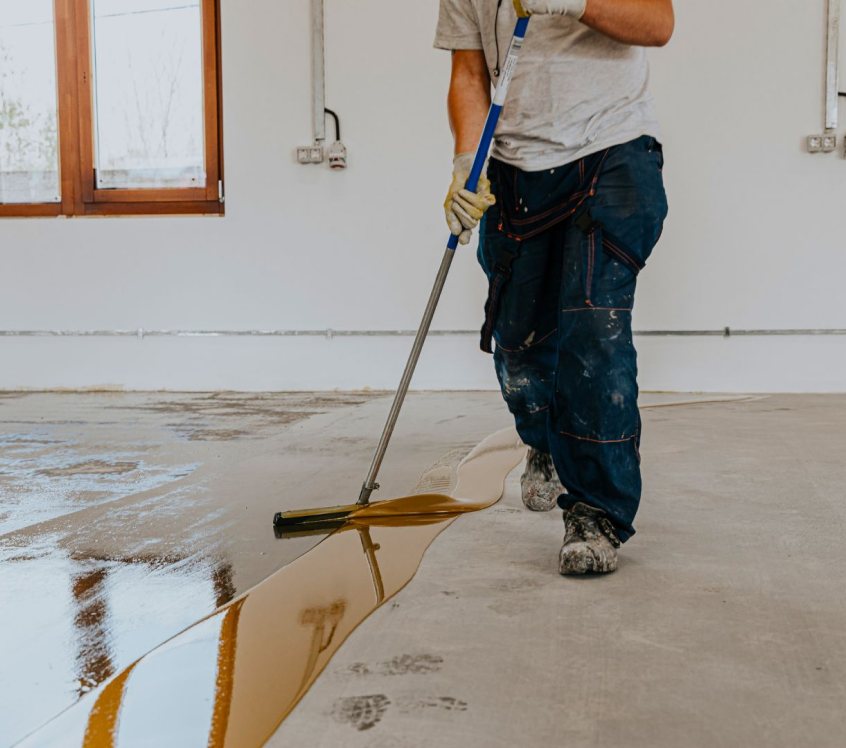
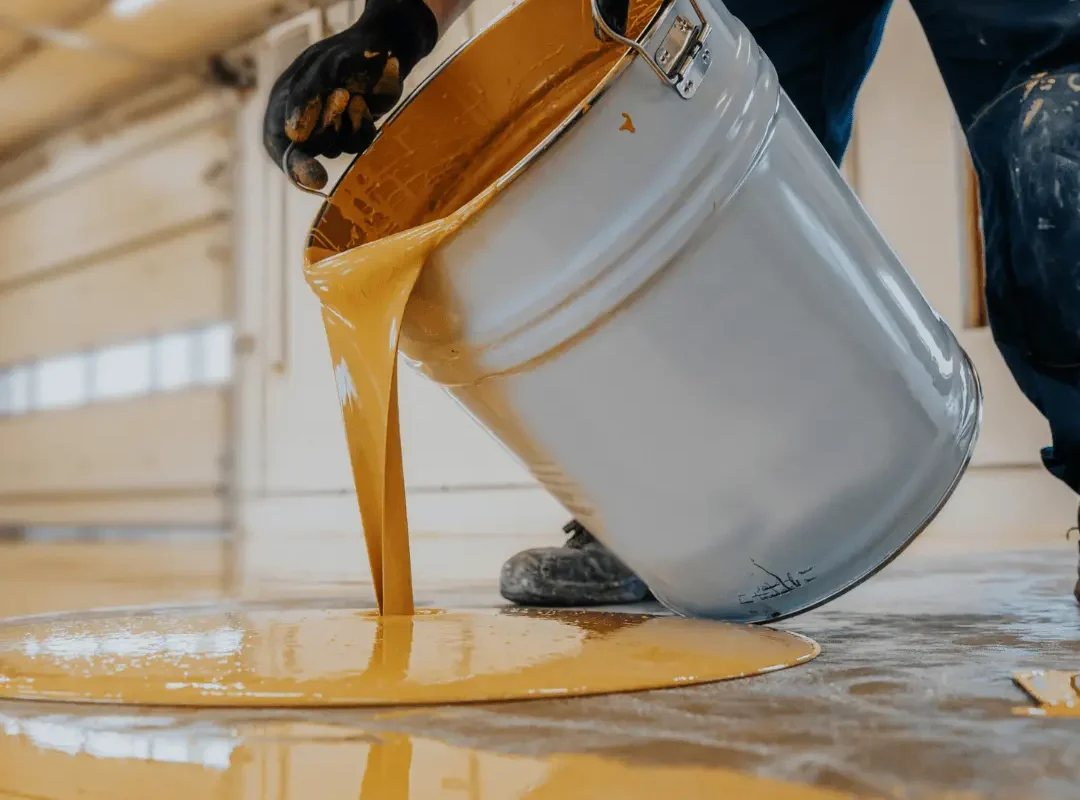
Epoxy is a solid coating made by mixing resin and hardener. It can withstand upwards of 10,000 psi in compressive strength tests (not including the floor’s strength below it). When these two combine, they create a tough, plastic-like material that sticks tightly to concrete. This process turns your regular concrete floor into a durable, long-lasting surface.

Epoxy floors are popular in places where durability is a must. You’ll often see them in garages, and industrial spaces where they can handle the weight of cars and resist damage from dropped tools. Because these floors stand up well to heavy traffic and harsh conditions, they’re also used in warehouses, factories, and hospitals. In addition, even in residential spaces due to its many benefits to homeowners.

One of the great things about epoxy flooring is its smooth, shiny finish. Not only does it look sleek and modern, but it also makes cleaning a breeze. Plus, epoxy floors come in many color options and finishes, so you can choose a style that fits your space perfectly.

Why People Love Epoxy Floors

There are plenty of reasons why people choose epoxy floors. Even for commercial spaces, retail giants like Walmart have begun to opt for epoxy floors. For starters, they’re durable. These floors can handle heavy tools, car tires, and foot traffic without showing much wear and tear. In addition, they are slip resistant. If you need a floor that can withstand a lot of use, epoxy is a great option.

Another big advantage of epoxy is its chemical resistance. If you spill oil or other chemicals, it’s not a big deal. Epoxy floors resist stains and are easy to clean, so a quick wipe can make them look as good as new.

Epoxy floors also look fantastic. They have a shiny, sleek finish that can make any space look more polished. Plus, you can pick from a variety of colors and styles to match your taste, whether you prefer something classic or more modern.

What You Should Know: Factors That Affect Epoxy’s Durability

Before we proceed, it’s crucial to look at some factors that play a big role in how durable your epoxy floor will be.

Key Factors Affecting Durability

To ensure that your garage epoxy floor coatings can handle extreme pressure, several factors need to be considered:

  1. Proper Installation: Ensuring a high-quality installation and thorough application process is crucial. This includes thorough substrate preparation, correct mixing ratios, and adequate curing times. Proper installation ensures the resin adheres well to the substrate and achieves its full strength potential. In contrast, a poor installation and application process can lead to issues such as peeling, bubbling, and reduced durability over time.
  2. Substrate Quality: The underlying concrete surface or substrate must be solid and free of cracks. A well-prepared substrate ensures that the epoxy adheres properly and distributes pressure evenly. Any existing cracks or imperfections in the substrate should be repaired before applying the epoxy coating. This helps to prevent future issues and extends the life of the flooring.
  3. Coating Thickness: The thickness of the epoxy coating plays a significant role in its ability to withstand pressure. Thicker coatings compared to other floor surfaces offer better resistance to heavy loads and impacts. For areas subjected to extreme pressure, multiple layers of epoxy might be applied to achieve the desired thickness and strength.

Understanding these factors can help you get the most out of your epoxy floor. But, to truly grasp the strength of epoxy flooring, we need to look at some real tests and expert insights.

Putting Epoxy Garage Floor Coatings to the Test: Can It Handle Extreme Pressure?

Epoxy floor is widely regarded for its durability and strength, but how does it perform under extreme pressure? To answer this question, we need to look at both laboratory tests and real-world applications to understand the limits of epoxy floor coatings.

Tests

For epoxy flooring, several key tests are commonly conducted:

  1. Compressive Strength Test: This test measures the ability of the epoxy to withstand loads that tend to reduce size. According to ASTM standards, high-quality epoxy floors have compressive strengths ranging from 10,000 to 15,000 psi. This impressive range means that epoxy flooring can handle heavy weights without cracking or breaking, making it suitable for high-traffic areas and heavy-duty applications.
  2. Flexural Strength Test: This assesses the epoxy’s ability to resist deformation under load. Epoxy coatings typically exhibit flexural strengths of about 5,000 to 6,000 psi, making them highly resistant to bending or cracking under pressure. This characteristic is particularly important in environments where the flooring is subjected to both static loads (such as parked vehicles) and dynamic loads (such as moving machinery).
  3. Impact Resistance Test: This test determines how well the epoxy floor can absorb sudden shocks or impacts. Epoxy coatings generally perform exceptionally well, showing minimal damage even under significant impacts. This resilience is essential for settings like workshops and garages, where tools and heavy objects might be dropped onto the floor.

Real-World Examples

In addition to laboratory tests, real-world applications provide practical insights into the performance of epoxy flooring under extreme pressure:

  1. Industrial and Commercial Use: Facilities such as warehouses and manufacturing plants rely on epoxy floors to support immense weight without degrading. For example, in manufacturing plants, large machines and equipment that weigh thousands of pounds are often moved across epoxy-coated floors. 
  2. Automotive Garages: In automotive garages, epoxy floors support the weight of vehicles, including trucks and SUVs, which can weigh several tons. The epoxy coating remains intact, even when subjected to the additional stress of tool drops, and chemical spills. The non-porous nature of epoxy also makes it resistant to oil and chemical stains, ensuring that the floor maintains its appearance and functionality over time. 
  3. Airplane Hangars: Airplane hangars are another testament to the strength of epoxy flooring. These floors handle the extreme pressure of aircraft weighing tens of thousands of pounds. Furthermore, the chemical-resistant properties of epoxy are beneficial in environments where aircraft fuels and other harsh chemicals are present.

Epoxy, when properly installed and maintained, is highly capable of withstanding extreme pressure. Laboratory tests and real-world applications both confirm that epoxy floors offer excellent compressive and flexural strength. 

Whether in an industrial warehouse, an automotive garage, or an airplane hangar, epoxy floors stand up to the challenge, proving their reputation for durability and resilience.

Epoxy Garage Floors vs Other Flooring Options

When it comes to choosing the best flooring for your garage or industrial space, comparing epoxy with other common options can help you make an informed decision.

Concrete Floors

Concrete flooring is a classic choice known for its strength. However, it can crack over time due to stress and temperature changes. While concrete is strong, it lacks the flexibility and seamless finish of epoxy. Epoxy-coated concrete combines the toughness of concrete with the added durability of epoxy, making it less likely to crack and easier to maintain.

Pros:

  • Very strong
  • Familiar material

Cons:

  • Prone to cracking
  • Requires regular maintenance
  • Limited aesthetic options

Tile

Tile flooring looks nice and comes in many styles, but it has its downsides. Tiles can crack or chip under heavy loads, and grout lines can get dirty and hard to clean. Unlike tile, epoxy provides a seamless surface that’s much more resistant to impact and heavy traffic. Plus, it’s easier to clean and maintain since there are no grout lines.

Pros:

  • Aesthetic variety
  • Easy to replace individual tiles

Cons:

  • Can crack or chip
  • Grout lines can stain and require cleaning

Vinyl

Vinyl flooring is affordable and easy to install, but it’s not as durable as epoxy. Vinyl can tear and wear down with heavy use, making it less suitable for areas with heavy machinery or vehicles. Epoxy, by contrast, can handle significant weight and pressure, offering a longer-lasting solution.

Pros:

  • Cost-effective
  • Easy to install

Cons:

  • Less durable under heavy use
  • Can tear or wear down over time

Epoxy

Epoxy flooring stands out for its durability, low maintenance, and customizable aesthetics. It handles heavy loads, resists chemicals, and offers a long-lasting, attractive finish. Epoxy is also highly customizable, allowing you to choose from a variety of colors and finishes to match your style or the specific needs of your space. However, to ensure safety and the efficacy of your epoxy floors – it’s always best to hire professionals instead of conducting DIY.

Pros:

  • Extremely durable
  • Low maintenance
  • Customizable appearance
  • Chemical resistant finish

Cons:

  • Requires professional installation

Comparison Table

Feature

Epoxy

Concrete

Tile

Vinyl

Durability

Very High

High

Moderate

Low

Maintenance

Very Low

Moderate

High (grout)

Moderate

Installation

Professional

Professional

Professional/DIY

DIY

Cost

Moderate

Moderate

Moderate to High

Low

Aesthetics

Highly Customizable

Limited

Varied styles

Varied styles

Flexibility

High

Low

Low

Moderate

Overall, epoxy flooring offers a superior combination of strength, durability, and aesthetics, making it an excellent choice for demanding environments.

Cost and Value Analysis

When considering epoxy flooring, it’s important to look at both the initial investment and the long-term value it offers.

Initial Investment

The cost of installing epoxy flooring can vary depending on factors like the size of the area, the condition of the existing floor, and the type of epoxy used. Its average cost ranges from $3 and $12 per square foot. While this may seem higher than some other flooring options like vinyl, which averages around $2 to $5 per square foot, the benefits often justify the cost.

Long-term Value

Epoxy flooring is known for its durability and low maintenance, which can lead to significant savings over time. Unlike concrete, which can crack and require repairs, or tile, which can chip and necessitate grout cleaning, epoxy floors are designed to withstand heavy use with minimal upkeep. This longevity means fewer replacement and repair costs, making epoxy a cost-effective choice in the long run.

Maintenance Costs

Epoxy floors are easy to clean and maintain. Regular sweeping and occasional mopping are typically all that’s needed to keep them looking new. There’s no need for special cleaning solutions or frequent repairs, unlike some other flooring options. 

Resale Value

For homeowners, installing epoxy flooring can increase the resale value of a property. Buyers often appreciate the durability, low maintenance, and modern look of epoxy floors, making your home more attractive on the market.

Conclusion

Epoxy floor coatings are incredibly durable and practical for a variety of settings, from garages and workshops to commercial spaces. They can handle heavy use and extreme pressure, thanks to their compressive & flexural strength and chemical resistance. 

Epoxy flooring’s durability means it can withstand heavy loads and high traffic without cracking or deteriorating. Maintenance is straightforward and cost-effective, requiring only regular sweeping and occasional mopping to keep it looking new. Additionally, epoxy floors offer aesthetic appeal with various colors and finishes available for customization. While the initial cost may be higher than other flooring options, the long-term savings and added value make it a smart investment.

For those considering upgrading their garage floor or looking for the best option for their flooring project for a high-traffic area, epoxy stands out as one of the best options. Its resilience and attractive finish make it suitable for both commercial and residential applications. Professional installation is recommended to maximize the benefits of epoxy flooring, ensuring proper application and substrate preparation for a long-lasting, durable floor. For a reliable & skilled epoxy floor contractor, contact Apex Flooring. We offer a 25-year transferable warranty and a free consultation.

FAQs

Garage epoxy flooring is highly durable, often more so than concrete, tile, or vinyl. It can withstand the heavy loads of vehicles, high foot traffic, and extreme pressure without cracking or deteriorating, making it an excellent choice for garage environments.

Garage epoxy flooring is low maintenance, needing only regular sweeping and occasional mopping to stay looking new. It resists stains from oil, chemicals, and other substances commonly found in garages, making it easy to clean and maintain over time.

Yes, epoxy garage floorings can be customized with various colors and finishes. You can choose from a wide variety of styles and decorative finishes, including metallic finishes and decorative color chips with flake epoxy floors, to match your taste and the functional needs of your garage.

Professional installation is recommended for garage epoxy flooring to ensure the best results. Professionals can properly prepare the concrete substrate and apply the epoxy, ensuring a strong bond and a long-lasting, durable floor.

Garage epoxy flooring is highly resistant to chemicals, making it ideal for environments where spills are common, such as automotive workshops and home garages. Spills from oil, gasoline, and other chemicals can be easily cleaned up without damaging the floor.

The cost of installing garage epoxy flooring varies, typically ranging between $3 and $12 per square foot. While the initial cost may be higher than some other flooring options, the long-term durability and low maintenance can make it a cost-effective choice for garages.

Apex Epoxy Flooring

Written By:

Apex Epoxy Flooring Team

Written by the Apex Epoxy Flooring team in Jacksonville, Florida. We install epoxy, polyaspartic and polyurea floor coatings across Florida, Georgia and South Carolina, and have since 2018.

Table of Contents

epoxy coatings

Call Us Now
(904) 595-9792

Related Epoxy Flooring News

Get In Touch

Get a Free Epoxy Flooring Estimate

Categories Apex

How Low VOC Epoxy Flooring Promotes Health and Safety in Modern Environments

Epoxy Flooring Promotes Health and Safety in Modern Environments

Blog

How Low VOC Epoxy Flooring Promotes Health and Safety in Modern Environments

Apex Epoxy Flooring Team

October 2, 2024

Table of Contents

Epoxy Flooring Promotes Health and Safety in Modern Environments

Low VOC (volatile organic compound) epoxy flooring has become a popular choice for modern environments. These floors offer the durability of traditional epoxy but with a significant reduction in harmful emissions. They create safer spaces in homes, schools, offices, and hospitals. This shift aligns with the increasing demand for eco-friendly solutions that support well-being.

Low VOC epoxy flooring is made possible by recent technological advances in resin chemistry. Manufacturers have developed formulas with fewer solvents, resulting in lower emissions. Improved curing agents also allow for a quicker curing process. Thus, reducing airborne pollutants during application. In addition, advancements in polymer technology ensure that the flooring remains robust and provides protection against wear without compromising environmental safety.

By adopting low VOC epoxy flooring, spaces can maintain the high performance expected from traditional epoxy while safeguarding occupants’ health and reducing environmental impact. Whether it’s a bustling office or a medical facility, these floors create a clean, safe foundation for the people who rely on them daily.

Want to learn more about how low VOC epoxy flooring can benefit your space? Continue reading for a deeper understanding of the technology and safety features that make it a modern must-have.

Defining Low VOC Epoxy Flooring

VOCs are chemicals that can easily become moisture vapors or gases, often contributing to indoor air pollution. Low VOC epoxy is formulated to emit fewer of these compounds, creating a healthier indoor environment.

For a product to be considered low VOC, it must adhere to strict regulations and standards set by environmental organizations. This means it releases VOCs below the prescribed limits, reducing potential health risks. Low VOC epoxy flooring is important for indoor spaces like offices, homes, and healthcare facilities because it:

  • helps improve air quality
  • minimizes the risk of respiratory issues
  • creates a more comfortable environment overall

This flooring type also has the added benefit of having a durable protective coating and harsh chemical resistance. Because of these, it is a practical choice for many applications.

VOC Exposure and Its Impact on Human Health

VOCs are chemicals found in an array of products like paints, cleaning agents, and adhesives. When present in high concentrations, they can cause significant health issues. Short-term exposure to elevated levels of VOCs can lead to symptoms like:

  • headaches
  • dizziness
  • nausea
  • eye, nose, and throat irritation

People with asthma may experience worsened symptoms due to VOCs.

Long-term exposure to high VOC concentrations can have more severe effects, including liver or kidney damage, respiratory issues, and even cancer, depending on the specific VOC involved.

For instance, formaldehyde, a common VOC, has been classified as a human carcinogen. It is crucial for individuals to ensure proper ventilation when using VOC-containing products and to seek out low-VOC or VOC-free alternatives where possible.

Health Advantages of Low VOC Epoxy Flooring

Low VOC epoxy flooring offers a variety of reasons and health benefits. These include:

  • Indoor Air Quality: It emits fewer VOCs compared to traditional flooring, leading to improved indoor air quality. People with asthma or allergies can breathe easier because the low VOC levels reduce airborne irritants that could trigger symptoms.
  • Minimizes Strong Odors: Low VOC epoxy flooring minimizes exposure to strong odors and harmful substances often associated with higher VOC products.
  • Non-porous surface: The non-porous, smooth surface of epoxy flooring resists mold and mildew growth. They help reduce allergies and respiratory issues.
  • Ease of Maintenance: This flooring is also easy to clean, preventing dust buildup that could worsen asthma symptoms.

By providing a safer, cleaner environment, low VOC epoxy flooring contributes to overall well-being, especially for individuals sensitive to airborne pollutants.

Safety Benefits in High-Traffic Areas in Commercial and Industrial Applications

In high-traffic areas like public walkways, commercial spaces, or busy warehouse floors, safety is a top priority. Slip-resistant surfaces provide crucial traction, reducing the risk of accidental falls even when the floor is wet. This enhanced grip minimizes slipping hazards, keeping everyone steady on their feet.

Impact-resistant materials also play a vital role by cushioning against drops, collisions, heavy loads, and heavy or light traffic, preventing hairline cracks or damage that could pose tripping risks. Together, these properties create a safer environment where people can move confidently and quickly, reducing accidents and ensuring smooth operations.

Environmental Impact Analysis

Low VOC epoxy flooring reduces carbon emissions and minimizes indoor air pollution. This reduction is crucial because traditional flooring options often release high levels of VOCs. Materials like carpets contribute to poor indoor air quality and environmental pollution.

By choosing low-VOC flooring, homes and companies can lower their carbon footprint. Low-VOC epoxy flooring promotes healthier environments for families, employees, and clients. Additionally, fewer VOCs mean less harm to the surrounding ecosystem. Meaning, fewer pollutants enter the air, soil, and water during production and disposal.

The adoption of low VOC flooring not only aligns with eco-friendly goals but also ensures compliance with stricter air quality standards. It’s a practical step toward creating sustainable and healthier indoor spaces.

Suggested Reading: Why Retail Giants Like Walmart Choose Commercial Epoxy Flooring?

Maintaining Indoor Air Quality Post-Installation

Maintaining indoor air quality post-installation is essential for a healthy living space. Here are some effective tips:

  1. Regular Cleaning: Dust and allergens accumulate quickly, so it’s important to vacuum and mop epoxy floors weekly. For air vents and filters, clean or replace them as per the manufacturer’s recommendations to prevent clogs that affect airflow.
  2. Ventilation: Proper ventilation is key. Use exhaust fans in kitchens and bathrooms to minimize humidity and cooking odors. Opening windows when weather permits also helps refresh indoor air and reduces pollutant build-up.
  3. Air Purifiers: Consider using air purifiers with HEPA filters in high-traffic areas or if someone in the household has allergies. They capture fine particles that typical cleaning methods might miss.
  4. Houseplants: Certain houseplants like spider plants or peace lilies naturally filter the air, reducing pollutants and adding a touch of greenery.
  5. Humidity Control: Keep indoor humidity levels between 30-50% with a dehumidifier or humidifier, depending on your climate. Excess humidity can foster mold growth, while too little makes the air dry and uncomfortable.

Comparing Low VOC Epoxy Flooring with Other Alternatives

When comparing low VOC epoxy flooring with traditional flooring materials, several advantages stand out.

  1. Indoor Air Quality: Unlike standard epoxy floor coating products or carpets, low VOC epoxy flooring improves indoor air quality. While traditional epoxy may release harmful chemicals during application, low VOC options minimize odors and reduce exposure to dangerous fumes.
  2. Chemical and Abrasion Resistant: Low VOC epoxy flooring offers better durability than traditional materials like hardwood or vinyl. It provides excellent resistance to heavy foot traffic, chemicals, and abrasions, making it ideal for commercial and industrial floors. Traditional wood flooring may scratch or dent easily, while vinyl can wear down over time.
  3. Minimal Maintenance: Cleaning low VOC epoxy floors requires simple sweeping and occasional mopping. In contrast, carpets can trap dust and allergens and require regular vacuuming and steam cleaning. Grout lines on tiled floors can accumulate dirt.
  4. Sustainability: Compared to other options, low VOC epoxy flooring is more environmentally friendly. Many traditional materials, like PVC-based vinyl or chemically treated hardwood, have a higher environmental impact due to the chemicals used in production. In contrast, low VOC epoxy resin minimizes chemical emissions, supporting healthier indoor spaces and reducing pollution.
  5. Customization: Low VOC epoxy flooring is available in a wide variety of colors, patterns, design options, and textures. This level of customization isn’t always possible with materials like tile, vinyl, or hardwood. Businesses and homeowners can create a personalized look while benefiting from the epoxy’s durability and environmental advantages.

Low VOC epoxy flooring provides superior performance, safety, and aesthetics compared to many traditional flooring materials, making it a compelling option for those looking for a healthier and more durable flooring solution.

Suggested Reading: Can High Temperature and Humidity Affect Epoxy Floors?

Budget-Friendly Options for Low VOC Flooring

When searching for budget-friendly, low VOC flooring, epoxy flooring is an excellent option. It provides an eco-friendly, durable floor surface without breaking the bank. Here’s a guide to finding affordable, low VOC epoxy flooring and understanding its ROI.

  1. Finding Affordable, Low VOC Epoxy Flooring
    • Supplier Research: Look for manufacturers specializing in low VOC formulations, which are often advertised as “zero VOC” or “low VOC.” Companies with a strong environmental commitment usually offer competitive pricing on their eco-friendly products.
    • Bulk Purchases: If tackling a larger project, consider buying in bulk. Many suppliers offer discounts for bigger orders, helping reduce per-unit costs.
    • DIY Kits: Some manufacturers provide DIY epoxy floor kits designed for a simple application, which significantly cuts installation expenses.
  2. Installation Costs vs. Health Benefits
    • Installation Costs: On average, professional and seamless flooring installation ranges from $3 to $12 per square foot. This depends on surface preparation requirements and specific materials used.
    • Long-Term Health Benefits: Low VOC epoxy minimizes harmful off-gassing, creating healthier indoor air quality. This reduction in air pollution can lead to fewer respiratory issues and better overall health for residents or workers. The impact on productivity in commercial settings or lower healthcare costs at home offers notable savings over time.

While the upfront costs may seem high compared to other materials, low VOC, quality epoxy flooring provides substantial ROI in both longevity and health benefits.

How to Choose a Contractor For Residential and Commercial Epoxy Flooring

When choosing a flooring contractor, it’s important to focus on key factors to ensure a safe and professional experience. Here’s a step-by-step guide:

  1. Check Experience and Credentials: Look for a contractor with a solid track record in the industry. Verify that they are properly licensed and insured.
  2. Prioritize Health and Safety: A trustworthy contractor will prioritize health and safety, using quality, low-VOC materials and adhering to Occupational Safety and Health Administration (OSHA) standards to maintain a secure home and workspace.
  3. Ask for References: Reach out to past clients to understand the quality and reliability of their work.
  4. Review Project Portfolio: Check the contractor’s project portfolio to gauge their expertise and see if their style aligns with your needs.
  5. Get Detailed Quotes: Obtain an itemized quote that clearly outlines the scope of work and potential additional costs to avoid surprises.

By following these steps, you can choose an experienced contractor who prioritizes health and safety. Apex Epoxy embodies these values, providing high-quality flooring solutions with a professional touch.

For businesses and individuals seeking healthier environments, low-VOC epoxy flooring is the perfect choice. Not only does it reduce harmful emissions, but it also offers practical benefits that improve safety and sustainability.

FAQs

Yes, many epoxy flooring products are designed to have low VOC (volatile organic compound) content. These products are formulated to emit fewer chemicals into the air, making them safer for indoor use.

Zero VOC epoxy is a type of epoxy flooring that doesn’t release any volatile organic compounds during interior or exterior application and curing. This ensures a safer, more environmentally friendly installation, especially in spaces where air quality is a priority.

Traditional epoxy flooring products can contain VOCs, which are chemicals that may evaporate into the air during indoor application. However, newer formulations, including low and zero VOC options, are available for those who need safer alternatives.

VOC-free epoxy means that the product does not release any measurable levels of volatile organic compounds. This kind of epoxy is ideal for environments with strict air quality requirements, such as hospitals or schools.

Epoxy flooring is durable and, with proper maintenance, can last 10 to 20 years or more. The lifespan can vary based on traffic, maintenance, and the specific formulation used.

Yes, some epoxy flooring products are formulated for outdoor use and can resist weather elements like UV rays and moisture. Make sure to choose a product specifically designed for exterior floor surfaces.

Epoxy works best on properly prepared surfaces, like concrete floors. It may not bond well to some materials, such as wood or floor tiles, without proper preparation.

Apex Epoxy Flooring

Written By:

Apex Epoxy Flooring Team

Written by the Apex Epoxy Flooring team in Jacksonville, Florida. We install epoxy, polyaspartic and polyurea floor coatings across Florida, Georgia and South Carolina, and have since 2018.

Table of Contents

epoxy coatings

Call Us Now
(904) 595-9792

Related Epoxy Flooring News

Get In Touch

Get a Free Epoxy Flooring Estimate

Categories Apex

How Do Garage Epoxy Floors Handle Extreme Florida Heat?

Garage Epoxy Floors

Blog

How Do Garage Epoxy Floors Handle Extreme Florida Heat?

Apex Epoxy Flooring Team

September 25, 2024

Table of Contents

Garage Epoxy Floors

In Florida, the intense sun and extreme temperatures test the limits of many building materials, including garage epoxy floors. Epoxy floors are increasingly popular among homeowners facing these harsh conditions. This guide explores how well garage epoxy floors stand up to Florida’s extreme heat. By understanding the benefits of epoxy flooring, homeowners can make decisions better.

The performance of garage epoxy floors in the face of blistering temperatures is not just about enduring the heat. But, it is also about maintaining color, gloss, and surface integrity over time. Stay tuned to uncover if epoxy flooring is the right choice for your garage. Continue reading to learn more about making the most of epoxy flooring in your home.

What is a Garage Epoxy Floor?

A garage epoxy floor is a type of flooring that combines resilience and aesthetic appeal, making it a popular choice for garage spaces. This flooring solution involves an additional layer of epoxy coating application. This is a type of durable resin over the concrete floor of a garage. The epoxy acts as a protective coating that resists floor stains, wear, and chemicals, which are common in a garage environment.

Epoxy flooring is known for its smooth, shiny surface that can be customized in a wide range of colors and patterns to enhance the look of the garage. This customization protects garage floors and turn it into a visually appealing part of their home. Additionally, the seamless nature of garage floor coatings makes it easy to clean and maintain. Thus, requiring only regular sweeping and occasional mopping with mild soap.

The installation process of a garage epoxy floor involves preparing the concrete surface, mixing the epoxy resin with a hardening agent, and then applying it to the floor. This mixture quickly hardens and forms a strong, durable surface that can last for many years with proper care.

Overall, a garage epoxy floor is an efficient, cost-effective way to upgrade a garage, providing a durable, easy-to-maintain surface that enhances the functional and aesthetic value of the busy home space.

Understanding Garage Epoxy Floors in Florida’s Heat

Epoxy flooring is a type of resinous coating that is applied over concrete floors or on other types of flooring to create a smooth, durable, and long-lasting surface. Its chemical composition allows it to resist degradation from sunlight, heat, and moisture—common conditions in Florida. This makes epoxy floors a popular option for garages, where extreme temperature fluctuations and direct sunlight can be intense.

While epoxy floors are highly durable, they are not indestructible. They can still be susceptible to scratches and other floor damage if not properly maintained. Homeowners need to follow the manufacturer’s recommendations for care and maintenance, including regular cleaning and avoiding the use of harsh chemicals and abrasive cleaning agents.

Recommended Reading: Can High Temperature and Humidity Affect Epoxy Floors?

The Science Behind Epoxy’s Heat Resistance

Epoxy flooring is known for its remarkable heat resistance, making it an excellent choice for places like garages, especially in warm climates such as Florida. But what is the science that makes epoxy so resilient under high temperatures?

The key to epoxy’s heat absorption lies in its thermal stability. The mixed material can endure up to a certain temperature, known as its “glass transition temperature,” beyond which it will start to soften but not necessarily melt. For most epoxy types used in garage floors, this temperature is significantly higher than what would typically be experienced, even in the Florida heat.

Moreover, epoxy’s composition includes additives that enhance its resistance to ultraviolet (UV) rays and heat. These additives prevent the entire floor from fading, cracking, or peeling, which is particularly important in sunny environments. Epoxy’s innate properties also allow it to expand and contract with temperature changes without suffering damage, ensuring a durable, stain-resistant surface year-round.

The science behind epoxy’s heat absorption is based on its unique chemical makeup and the robust structure it forms upon curing. These characteristics make it an ideal flooring solution for handling extreme conditions, including the intense heat often encountered in places like Florida garages and the humid Georgia summers handled by the Apex epoxy flooring team in Savannah. This resilience, combined with its aesthetic appeal, makes epoxy a smart and popular choice for many homeowners looking to enhance their garage spaces.

Recommended Reading: Breaking Down The Molecular Structures of Epoxy and Polyurethane for Better Choices

Expert Opinions: The Benefits of Epoxy Flooring in Florida

Epoxy materials are an ideal choice for flooring, especially in places that experience high temperatures. This is because they have several characteristics that make them well-suited for hot climates. Here’s a closer look at the benefits of epoxy flooring in Florida:

  1. Heat Absorption and Resistance: One of the standout features of epoxy materials is their ability to withstand high temperatures without deforming or losing integrity. This makes them ideal for garages or outdoor spaces that are exposed to the relentless sun, the same reason the Apex team recommends them for epoxy garage floors in metro Atlanta.
  2. Durability: Epoxy floors are not only resistant to heat but also to many other signs of wear and tear. They are tough against scratches, impacts, and floor stains. This durability means they can last for many years even under harsh conditions, making them a cost-effective flooring solution.
  3. Low Thermal Conductivity: Epoxy materials do not conduct heat very efficiently, which means they can help keep functional spaces cooler. This characteristic is particularly beneficial in hot climates where keeping indoor spaces comfortable can be challenging.
  4. Moisture Resistance: Hot climates often come with high humidity, which can be tough on certain materials. Epoxy, however, has moisture resistance properties, preventing issues like mold and mildew that can arise in damp conditions.
  5. UV Resistance: Although epoxy can be sensitive to UV light, many modern epoxy floors come with UV stabilizers that help protect the flooring from the sun’s harmful rays. This prevents the beautiful color from fading and extends the life of the floor.
  6. Ease of Maintenance: Epoxy floors are incredibly easy to clean and maintain. They resist household chemical spills and don’t absorb odors, which is especially helpful in hot and humid environments where cleanliness is paramount to preventing odor buildup.

Given these characteristics, epoxy materials are an excellent choice for those living in hot climates, offering a durable, long-lasting, and aesthetically pleasing flooring solution.

Future Innovations in Epoxy Flooring Technology

As the demand for durable, cost-effective, and attractive flooring continues to grow, researchers and manufacturers are focusing on several key areas to improve epoxy flooring systems.

One of the most significant advancements is the development of more environmentally friendly epoxy resins. These new formulations reduce the emission of volatile organic compounds (VOCs), which are harmful to both the environment and human health. By utilizing bio-based epoxides and hardeners, these greener epoxy solutions maintain the strength and durability of traditional epoxy while minimizing their environmental impact.

Related Article: Breathe Easy with Non-Toxic Epoxy Flooring Solutions

In addition, the aesthetic versatility of epoxy floors is set to expand with new pigment technologies. These include photo-luminescent pigments that can glow in the dark, providing additional safety features and unique design options. There is also ongoing work on thermochromic pigments, which change color based on temperature, offering dynamic and customizable visual effects for both residential and commercial spaces.

Lastly, new formulations are being tested to enhance the thermal stability of epoxy floors, ensuring that they do not degrade or discolor when exposed to sunlight or high ambient temperatures. This is particularly important in places like Florida, where extreme heat can affect the performance and decorative appearance of flooring systems.

Final Thoughts

Selecting the appropriate garage flooring in Florida’s harsh climate is crucial for homeowners. The intense sun and heat can take a toll on ordinary flooring materials, making durability a key consideration. Garage epoxy floors provide resistance to high temperatures and UV rays which are prevalent in this region. Their resilience makes them a wise investment for those looking to enhance their garage space.

For those considering the installation of an epoxy garage flooring, professional assistance can make a difference. Apex Flooring specializes in providing epoxy solutions that withstand Florida’s extreme conditions. If you’re looking for reliable and professional installation services, contact Apex Flooring for a consultation. Their team is ready to help you choose the best flooring option for your needs.

FAQs

Yes, epoxy floors are durable and can withstand a considerable amount of heat. They can tolerate temperatures up to about 200 degrees Fahrenheit without any damage to its appearance or structure. However, prolonged exposure to higher temperatures may lead to discoloration or softening of the epoxy floor surface.

Epoxy floors are resistant to cracking due to heat. They handle a range of temperatures, which makes them suitable for environments that experience hot weather. That said, if the epoxy was not properly mixed or applied, or if the floor underneath expands and contracts significantly, there is a chance it could develop minor cracks over time.

Hot tires can leave marks on an epoxy floor due to the softening of the tire rubber, which can stick to the epoxy surface. To protect your epoxy flooring from hot tires, you can:

  • Use Mats: Placing mats where vehicles are parked can prevent tire marks.
  • Choose a High-Quality Epoxy: Choose a heat-resistant epoxy formulation that can better withstand the temperatures of hot tires.
  • Regular Maintenance: Regularly cleaning the floor can also prevent tire marks from heavy traffic from becoming permanent.

Each of these points addresses common concerns about epoxy garage flooring, providing clear and helpful information for those considering other types of flooring solutions.

With proper installation and maintenance, an epoxy floor can last between 10 to 20 years. The lifespan greatly depends on the amount of vehicle traffic and the type of activities it endures. Regular cleaning and avoiding harsh chemicals can extend the life of an epoxy floor.

Absolutely! Epoxy floor coatings can be applied to most garage floors, but the concrete must be properly prepared to ensure chemical adhesion. This preparation involves cleaning the floor thoroughly, repairing any deep cracks or floor damages, and ensuring the concrete floor surface is dry and level. Floors with excess moisture issues or those that have been sealed may not be suitable for epoxy without additional preparation. It’s always recommended to consult with a professional such as Apex Flooring to assess the condition of the garage floor before proceeding with epoxy application.

Apex Epoxy Flooring

Written By:

Apex Epoxy Flooring Team

Written by the Apex Epoxy Flooring team in Jacksonville, Florida. We install epoxy, polyaspartic and polyurea floor coatings across Florida, Georgia and South Carolina, and have since 2018.

Table of Contents

epoxy coatings

Call Us Now
(904) 595-9792

Related Epoxy Flooring News

Get In Touch

Get a Free Epoxy Flooring Estimate

Categories Apex

7 Signs Your Epoxy Floor in Florida Needs Replacement

Blog

7 Signs Your Epoxy Floor in Florida Needs Replacement

Apex Epoxy Flooring Team

September 18, 2024

Table of Contents

Epoxy floors are popular in commercial, industrial, and residential spaces for their durability and sleek appearance. However, like any surface, it is not immune to wear and tear. Factors such as heavy foot traffic, chemical spills, and inadequate maintenance can diminish its resilience and aesthetic appeal. Recognizing when your epoxy floor may need replacement is crucial to maintaining its functionality and ensuring it continues to protect the underlying concrete floor.

If you’re unsure about the condition of your epoxy flooring, it’s important to stay informed about the potential signs of deterioration. Addressing these issues can prevent more extensive damage and costly repairs for your garage floors, kitchen floors, or even commercial spaces in the future.

Continue reading to discover the seven key indicators that your epoxy floor might need professional attention. Explore expert insights and learn how to keep your flooring in optimal condition for years to come.

What Are the First 7 Signs of Epoxy Floor Damage?

Being aware of the initial signs of damage can help in maintaining the entire floor’s integrity and aesthetics. Here are the first signs of epoxy floor damage to look out for:

  1. Discoloration: Epoxy floors can fade or yellow over time, especially if exposed to direct sunlight or UV rays regularly. Discoloration may also occur due to chemical spills. This can be one of the first indicators that the epoxy coating is beginning to wear down.
  2. Chipping and Peeling: Edges or high-traffic areas of an epoxy floor might begin to chip or peel. This often happens when the floor has not been properly prepared before applying the epoxy or if the epoxy mix is not suitable for the type of usage it receives.
  3. Blistering and Bubbling: If you notice small blisters or air bubbles forming on the surface, this could be due to an improper application process. Trapped air or moisture can cause these imperfections, which may eventually lead to larger areas of the floor failing.
  4. Cracks: Although epoxy is generally crack-resistant, sharp impacts or heavy loads can cause cracks. Hairline cracks might not seem severe but can grow and allow moisture or chemicals to penetrate, undermining the epoxy.
  5. Scratches: In environments with heavy machinery or frequent movement of hard objects, scratches can appear on the surface of the epoxy. While minor scratches are cosmetic, deep scratches can expose the underlying concrete.
  6. Staining: Certain chemicals and substances can leave permanent stains on epoxy floors if not cleaned promptly. Persistent stains often indicate a degradation of the epoxy’s protective layer.
  7. Dullness: Over time, epoxy floors can lose their glossy finish and become dull, which might suggest excessive wear or the need for a new topcoat. This dullness can detract from the aesthetic appeal and functionality of the flooring.

Monitoring these warning signs not only helps in maintaining the appearance of the floor but also in prolonging its lifespan through timely interventions.

How Do I Identify Stains vs. Deep-Set Damage in Epoxy?

Identifying whether a mark on an epoxy surface is a stain or deep-set damage is crucial for determining the appropriate cleaning or repair method. Here’s a detailed guide to help distinguish between the two:

  1. Visual Inspection: Start with a thorough visual examination of the epoxy surface. Stains are usually superficial and often discolor the surface without affecting the texture. They may appear as spots or discolored patches. On the other hand, deep-set damage affects the integrity of the epoxy. This damage might look like cracks, chips, or areas where the epoxy has peeled away. If the irregularity alters the surface’s smoothness, it’s likely deep-set damage.
  2. Touch Test: After visual inspection, gently run your hand over the mark. If the surface feels smooth and the mark does not disrupt the texture of the epoxy, it is likely a stain. If you can feel a dip, groove, or roughness, it indicates damage that has penetrated below the surface layer.
  3. Clean the Area: Sometimes, what appears to be damage can be stubborn stains. Clean the area with a soft cloth dampened with a mild detergent mixed with warm water. If the mark fades or disappears, it is a stain. Persistent marks that withstand cleaning, especially those that have changed the structure of the surface, are indicative of damage.
  4. Assess the Extent of the Mark: Evaluate the depth and extent of the mark. Surface-level issues without depth, even if they are extensive, are usually stains. Damage, however, often features depth, like shrinkage cracks that extend down into the epoxy or areas where the material has been removed.
  5. Use a Light Source: Shining a light at an angle across the surface can help highlight differences between a stain and damage. Stains will remain uniform under the light, while damages like cracks or chips will create shadows or change the way light reflects off the surface.

Identifying whether an issue with an epoxy surface is a stain or deep-set damage primarily involves observing the visual and tactile differences. Stains lie on the surface and can often be cleaned, whereas damage affects the material’s integrity and requires more intensive repair. Regular maintenance and prompt attention to any discoloration or irregularities can help preserve the epoxy’s appearance and functionality.

Can Small Epoxy Cracks Be Repaired Easily?

When dealing with minor cracks in epoxy coatings, the repair process involves a few straightforward steps that can be managed by individuals with basic DIY skills.

First, the area around the crack should be cleaned thoroughly to remove any debris or contaminants. This can be done using a simple combination of soap and water or with a specialized cleaning solution designed for epoxy surfaces. Ensuring the area is clean helps the repair material to adhere properly.

Next, the crack itself needs to be addressed. For very fine cracks, a clear epoxy resin can be applied directly into the crack using a syringe or a small brush. This resin will seep into the crack and, once cured, will form a strong bond that restores the surface’s integrity. It’s important to follow the manufacturer’s instructions regarding mixing and curing times to ensure optimal results.

For slightly larger cracks, it may be necessary to slightly widen the crack first to ensure that the repair material can fully penetrate and fill the damaged area. This can be done using a small grinding tool or a file. After widening, the same process of applying epoxy resin applies.

In all cases, once the epoxy resin has cured, it is advisable to sand the repaired area until it is smooth and flush with the surrounding surface. This not only improves the aesthetic finish but also helps to restore the functional strength of the coating.

Finally, if the repaired area needs to match the color of the existing surface, a topcoat of colored epoxy or paint can be applied once the repair is sanded and cleaned. This step ensures that the repair blends seamlessly with the original surface.

What Causes Epoxy Floors to Peel and How to Prevent It?

Epoxy floors can peel or delaminate, which compromises both their functionality and aesthetics. Understanding the causes of this issue and how to prevent it can ensure the longevity of epoxy floors.

Causes of Epoxy Floor Peeling

  1. Poor Adhesion: The primary cause of peeling in epoxy floor surfaces is inadequate adhesion to the substrate. This can result from several factors:
    • Improper Surface Preparation: Epoxy needs a clean, slightly porous, and completely dry surface to adhere properly. If the concrete surface is not correctly prepared — for instance, if it is still dirty, or not roughened — the epoxy will not bond well.
    • Moisture: Moisture present in the concrete can prevent epoxy from adhering correctly. This moisture can come from groundwater, leaks, or high humidity levels during the installation process.
  2. Poor Installation: Applying epoxy requires precise conditions and techniques. Common application errors include:
    • Inadequate Mixing: If the epoxy resin and hardener are not mixed thoroughly, the finished floor will not cure properly, leading to areas of weak or non-existent adhesion.
    • Wrong Proportions: Deviating from the manufacturer’s recommended mixing ratios can affect the chemical reaction necessary for the epoxy to set correctly.
    • Temperature Issues: Epoxy should be applied in a temperature-controlled environment. Too cold or too hot conditions can alter the curing process, affecting adhesion.
  3. Low-Quality Epoxy Products: Not all epoxy products are created equal. Lower-quality epoxies may not provide the same level of adhesion and durability as higher-quality alternatives, leading to peeling over time.

By addressing these factors, you can enhance the durability and appearance of your epoxy floors. Thus, preventing peeling and ensuring they remain a valuable part of your space for years to come.

To ensure the best possible outcome for your epoxy flooring project, consider enlisting the help of professional epoxy floor contractors. With their expertise, they can properly assess your commercial, residential, industrial, or garage space, recommend high-quality materials, and execute the application with precision.

By choosing experienced professionals such as Apex Flooring, you can avoid common pitfalls such as peeling and enjoy a durable floor for years. Do not hesitate to reach out to a trusted contractor who can provide you with a seamless and successful flooring solution.

What Is the Life Expectancy of a Repaired Epoxy Floor?

Generally, a well-executed repair on an epoxy floor can extend its lifespan significantly. They can often last between 5 to 10 years if maintained properly. The life expectancy of a repaired epoxy floor depends primarily on:

  • the extent of the repair
  • the quality of the epoxy used
  • and the conditions under which the floor is maintained

Regular maintenance, such as cleaning spills immediately and avoiding the use of harsh chemicals, is essential to maximize the lifespan of a repaired epoxy floor. Additionally, the floor should be protected from excessive UV exposure and sharp or heavy objects that could damage the surface.

Suggested Reading: Think Twice Before DIY: Shocking Epoxy Bathroom Floor Disasters

How to Decide: Repair or Replace Your Epoxy Floor?

When deciding whether to repair or replace an epoxy floor, property owners need to consider several factors to ensure they make a cost-effective and trusted choice. Here’s a detailed guide on how to make this decision:

Assess the Damage

The first step is to closely inspect the condition of the epoxy floor. Look for signs of wear such as scratches, peeling, discoloration, and cracks. Minor surface issues, like small scratches or slight discoloration, can often be repaired without needing a full replacement.

Consider the Age of the Floor

The age of the epoxy floor plays a crucial role in the decision-making process. Epoxy floors last between 10 to 20 years, depending on the level of traffic and maintenance. If your floor is nearing the end of this lifespan, replacement might be more cost-effective than ongoing repairs.

Evaluate the Cost Implications

Compare the costs of repairing versus replacing the epoxy flooring. Small, localized repairs are usually more affordable but might not be worth it if the floor is extensively damaged. Request quotes from professionals for both options and consider if the long-term benefits of epoxy floor replacement outweigh the immediate savings from repairs.

Consider the Downtime

Think about the time it will take for repair or replacement. Repairs can often be completed more quickly than a full replacement, which might require extensive prep work and curing time. The downtime can affect business operations, so choose an option that minimally impacts your daily activities.

Check for Underlying Issues

Examine if there are underlying issues that caused the damage. Problems like moisture damage or structural faults might require more extensive correction beyond just the surface layer. In such cases, replacing the floor might be necessary to address these deeper issues comprehensively.

Long-Term Goals and Aesthetics

Reflect on your long-term goals for the space and the aesthetic outcomes you desire. If the existing floor no longer fits your stylistic preferences or if it’s integral to a larger renovation project, replacing it might offer more satisfaction and value.

For a new epoxy floor installation in Florida, contact Apex Flooring today for a free consultation and free estimates.

FAQs

If an epoxy floor fails, the responsibility typically falls on the installer or the manufacturer, depending on the issue. If the failure is due to improper installation, such as poor surface preparation or incorrect application, the installer is responsible. However, if the failure is due to defective materials, the manufacturer may be at fault. It is crucial for customers to ensure that both the products and the epoxy floor installation services come with a warranty to cover potential failures.

Epoxy floor coatings can last anywhere from 10 – 20 years with proper maintenance. The lifespan varies based on factors such as the amount of foot traffic, the presence of heavy machinery, exposure to harsh chemicals, and how well the beautiful floor is maintained.

One common defect of epoxy flooring is that it can be slippery when wet. This can be mitigated by adding a non-slip additive to the epoxy during application. Additionally, epoxy floors can sometimes peel or chip if the underlying surface is not properly prepared before application.

Yes, epoxy flooring does wear out over time. The rate at which it wears out depends on the level of traffic and exposure to mechanical wear and harsh chemicals. Signs of wear include dullness, scratches, or peeling. Regular maintenance and reapplication of the top coat can extend the life of an epoxy floor.

The cost of epoxy flooring can vary widely, typically ranging from $3 to $12 per square foot for residential projects, and higher for commercial or industrial spaces which may require more durable materials and complex installation processes. The total cost depends on factors such as the area size, the epoxy type used, the complexity of the design, and the condition of the existing floor. It’s advisable to get quotes from several contractors to compare prices and understand the specific needs of the project.

Apex Epoxy Flooring

Written By:

Apex Epoxy Flooring Team

Written by the Apex Epoxy Flooring team in Jacksonville, Florida. We install epoxy, polyaspartic and polyurea floor coatings across Florida, Georgia and South Carolina, and have since 2018.

Table of Contents

epoxy coatings

Call Us Now
(904) 595-9792

Related Epoxy Flooring News

Get In Touch

Get a Free Epoxy Flooring Estimate

Categories Apex

8 Epoxy Flooring Maintenance Tips for Humid Florida Climates

Epoxy Flooring Maintenance Tips

Blog

8 Epoxy Flooring Maintenance Tips for Humid Florida Climates

Apex Epoxy Flooring Team

September 11, 2024

Table of Contents

Epoxy Flooring Maintenance Tips

Among the endless types of floor options, epoxy flooring emerges as an excellent choice for businesses and residential spaces in humid climates like Florida. Largely due to its visual appeal, durability, moisture resistance, and low maintenance requirements. 

However, to keep your epoxy floor coatings looking their best and extend their lifespan, it’s essential to follow specific maintenance routines. This short but comprehensive guide will provide practical tips to maintain your epoxy flooring effectively in Florida’s environment.

Maintaining Epoxy Floors in a Humid Climate

Epoxy floor care, while beneficial, presents several challenges, especially in humid climates. Although epoxy is known for being extremely resilient against heat and humidity, managing these is still crucial. High humidity can lead to condensation, which makes the floor slippery and hazardous, necessitating the regular use of dehumidifiers and proper ventilation. 

To add to this, epoxy floors are moisture-resistant but not moisture-proof – excessive moisture can negatively impact the curing and bonding properties of epoxy, causing issues like mold growth and efflorescence (a white residue indicating water damage). 

For the average person, there are many more challenges to properly clean epoxy floors. However, with these tips, you can see that properly maintaining epoxy floors in a humid climate is not as daunting as it may seem.

Recommended reading: Outdoor Epoxy Flooring Secrets: How It Stays Looking New

The Essential Tips To Maintain Your Epoxy Floors

1. Regular Sweeping and Mopping

Regular sweeping and mopping help maintain the cleanliness and shine of your epoxy floor, preventing the buildup of dust and grime that can lead to scratches and dullness over time. In a humid climate, regular cleaning is even more important to prevent mold and mildew growth, which can be exacerbated by high moisture levels.

Daily Sweeping:

To keep your epoxy floor in top condition, it’s important to sweep the entire floor daily to remove dirt, dust, and loose debris. This is particularly crucial in humid climates like Florida where particles can stick to surfaces more easily. Use a dustless broom for everyday cleaning. A soft-bristle broom can help prevent scratching the surface. For areas with heavier dirt or spills, a standard push broom is recommended.

Weekly Mopping:

In addition to sweeping, mopping your epoxy floor weekly is essential. Use a microfiber mop along with a gentle, pH-neutral cleaner to avoid damaging the epoxy. Avoid using soap-based cleaners as they can leave a haze on the floor. Instead, clean water combined with a mild detergent works well. Be sure to wring out the mop thoroughly to prevent excess water from pooling on the floor.

2. Immediate Spill Cleanup

Doing spot cleaning promptly prevents the spills from seeping into the epoxy and causing long-term stains or damage. In humid climates, cleaning up immediately also helps prevent the growth of mold and mildew, which thrive in damp environments.

Importance of Immediate Cleanup:

Spills should be cleaned up immediately to prevent staining and potential damage. This is especially important for substances like oil, gas, and harsh chemicals which can be particularly damaging to epoxy surfaces. Use a paper towel for small spills, a soft cloth, and a gentle detergent, such as dish soap, to clean spills. Avoid abrasive cleaners and harsh chemicals that can degrade the epoxy coating.

Handling Different Types of Spills:

For sticky or oily spills, a product like Windex, diluted with water, can be effective. However, for more stubborn stains, such as rust, a mixture of slightly hot water and a kitchen scrubbing sponge or a soft deck brush can be used. Always ensure that the cleaning solution is thoroughly rinsed off with clean water to avoid any residue buildup.

3. Dealing with Humidity and Moisture

Managing moisture effectively is crucial in humid climates. By preventing water from pooling on the floor and maintaining a dry environment, you can protect your epoxy flooring from potential damage and ensure it remains in excellent condition.

Benefits of Epoxy in Humid Climates:

Epoxy flooring is highly resistant to moisture, making it ideal for humid environments like Florida. Unlike porous materials, epoxy does not absorb moisture, preventing issues like warping and mold growth. This resistance to moisture helps extend the lifespan of the flooring and reduces the need for frequent repairs.

Moisture Management Tips:

To enhance the moisture-resistant properties of epoxy flooring, ensure your floors are properly sealed. During cleaning, avoid using excessive amounts of water. Instead, use a damp mop and follow up with a rubber squeegee to remove any standing water. This prevents water from sitting on the surface and potentially causing issues over time.

4. Preventing Scratches and Damage

Taking preventative measures to protect your epoxy floor from physical damage ensures its longevity and maintains its aesthetic appeal. Regularly inspecting and addressing minor damage can prevent more significant issues from developing.

Furniture and Equipment:

Heavy furniture and equipment can cause scratches and dents in epoxy flooring. Use furniture pads or protectors under heavy items to prevent this damage. For added protection, consider placing a piece of cardboard or a rag under furniture legs. Regularly move the furniture slightly to prevent permanent dents.

Handling Sharp Objects:

Avoid dragging sharp objects across the floor. If you need to move heavy objects, lift them or use a dolly to prevent scratches. Regularly check for and promptly buff out any minor scratches using a buffer pad or a soft cloth with a mild polish. This immediate attention helps maintain the integrity and appearance of the floor.

5. Regular Deep Cleaning

Regular deep cleaning helps maintain the floor’s shine and prevents the buildup of dirt and grime that can lead to long-term damage. It also ensures that hidden areas are cleaned thoroughly, preventing potential issues from developing.

Monthly Deep Cleaning:

Performing a deep clean once a month is essential to maintain the epoxy floor’s appearance and durability. Move furniture and other items to clean all areas thoroughly. Use a diluted ammonia solution (half a cup of ammonia to one gallon of hot water) or a specially formulated epoxy floor cleaner for tough stains. Ensure to rinse the floor thoroughly to remove any cleaning solution residues.

Tools for Deep Cleaning:

A soft-bristle broom or a microfiber mop is ideal for regular cleaning, but for deep cleaning, you might need a more powerful tool. A steam cleaner can be highly effective for removing stubborn stains without the need for harsh chemicals. This method is gentle on the epoxy surface and ensures a thorough clean.

6. Using the Right Cleaning Tools

One of the foundations of epoxy floor care is selecting the appropriate cleaning tools and products. This is because it ensures effective cleaning without damaging the floor. It also helps maintain the floor’s shine and appearance, keeping it looking new for longer.

Recommended Tools:

Using the right tools is critical to avoid damaging your epoxy floor. Soft bristle brooms, microfiber mops, and non-abrasive sponges are ideal for daily cleaning. For more stubborn stains, a nylon brush can be used without scratching the surface. Avoid using steel wool or harsh scrubbing pads.

Choosing the Right Cleaners:

Opt for pH-neutral cleaners specifically designed for epoxy floors. Harsh chemicals can damage the epoxy coating and should be avoided. Warm water and mild detergent are generally sufficient for most cleaning tasks. For more severe stains, consider using diluted ammonia or specially formulated epoxy floor cleaners.

7. Maintaining Shine and Appearance

To ensure your beautiful epoxy finish continues to look its best, it’s imperative to maintain its shine and appearance. Especially for epoxy floors with contemporary designs. Regular care and occasional polishing can keep the floor looking pristine for years.

Avoiding Soap-based Cleaners:

Soap-based cleaners can leave a residue that dulls the shine of your epoxy floor. Instead, use warm water, a good mop, or a steam cleaner for a clean without chemicals. This approach helps maintain the floor’s glossy finish and keeps it looking new.

Regular Polishing:

To keep your epoxy floor shining, consider occasional polishing. Use a soft cloth and a mild polish suitable for epoxy surfaces. Regularly buffing the floor helps maintain its luster and can make it more resistant to dirt and stains.

8. Seasonal Considerations

Managing indoor humidity and preventing condensation are crucial steps in a proper cleaning procedure for epoxy floors in a humid climate. These measures help prevent moisture-related damage and ensure a safe, dry environment.

Humidity Management:

In Florida’s humid climate, it’s important to manage indoor humidity levels to protect your epoxy floor. Use dehumidifiers and ensure proper ventilation in your home or business to reduce overall humidity. This helps prevent moisture-related issues and extends the lifespan of your epoxy flooring.

Preventing Condensation:

Condensation can form on epoxy floors in humid conditions, leading to potential slipping hazards. Ensure your space is well-ventilated and consider using fans or air conditioning to reduce condensation buildup. Keeping the environment dry helps maintain the safety and integrity of your epoxy floor.

Conclusion

Epoxy flooring is an excellent choice for humid climates like Florida due to its aesthetic appeal, moisture resistance, and durability. However, this does not free them from the burden of needing to be cared for. More so in high-traffic areas. Regular maintenance, immediate spill cleanup, and proper cleaning techniques will help keep your epoxy floor looking pristine.

In addition to these basic maintenance steps, it’s important to conduct periodic inspections to identify and address any potential issues early. This might include checking for cracks, chips, or any signs of wear and tear that could compromise the integrity of the flooring. If you notice any damage, it’s best to consult with a reliable flooring professional to perform the necessary repairs, ensuring your floor remains in top condition.

Moreover, using the right cleaning products is crucial. Avoid harsh chemicals that can degrade the epoxy surface, and opt for gentle, pH-neutral cleaners that effectively remove dirt and grime without causing harm. Regularly sweeping and mopping your epoxy floor will prevent the buildup of debris that can scratch and dull the surface over time.

For commercial spaces, especially those with high foot traffic or heavy machinery, consider applying an additional topcoat periodically. This extra layer of protection can help withstand the rigors of daily use, extending the life of your epoxy flooring and maintaining its glossy finish.

By following these maintenance routines and being proactive in addressing any issues, you can ensure your epoxy flooring remains a long-lasting, attractive feature of your home or business in Florida’s challenging climate.

FAQs

It is important to use cleaning solutions that are safe for the specific surface you are cleaning. For epoxy surfaces, mild detergents or specialized epoxy floor cleaners are recommended. Avoid using harsh chemicals or abrasive cleaners that can damage the surface.

To keep your floors in pristine condition, it is important to regularly clean and maintain the surface. This includes routine cleaning with a dust mop or microfiber mop to remove dirt and debris, as well as promptly cleaning up any spills or stains. Additionally, applying a protective sealant or topcoat can help protect the surface from wear and tear.

In addition to regular cleaning and maintenance, it is important to avoid heavy impact or dragging heavy objects across the surface. Use furniture pads or protective mats to prevent scratches and damage. Regularly inspect the surface for any signs of wear and tear, and address any issues promptly to prevent further damage.

Well-maintained epoxy floors can last up to 30 years in residential settings. However, for industrial settings, it is estimated to last for 5-10 years. This is due to heavy machinery, impacts, and harsh chemical spills reducing its longevity.

Ultimately, it’s not a one-size-fits-all situation as more factors can impact the lifespan of an epoxy floor. While epoxy itself is a durable and long-lasting material, it still requires proper maintenance to ensure its longevity.

No, epoxy floors are not hard to keep clean. They are known for their ease of maintenance. It has a seamless and non-porous surface which means there are no grout lines or crevices for dirt and grime to accumulate. 

Apex Epoxy Flooring

Written By:

Apex Epoxy Flooring Team

Written by the Apex Epoxy Flooring team in Jacksonville, Florida. We install epoxy, polyaspartic and polyurea floor coatings across Florida, Georgia and South Carolina, and have since 2018.

Table of Contents

epoxy coatings

Call Us Now
(904) 595-9792

Related Epoxy Flooring News

Get In Touch

Get a Free Epoxy Flooring Estimate

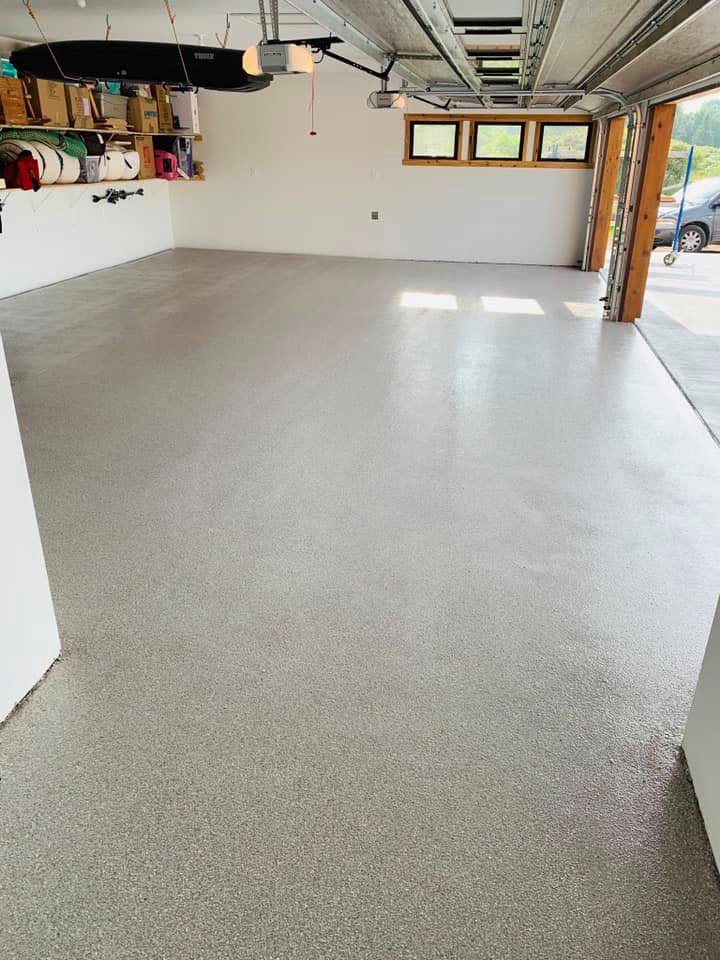
Gray flake epoxy garage floor installed by Apex

Garage Floor Special

One Flat Price for Your Garage Floor

2-Car Garage$2,300
3-Car Garage$3,200
  • Standard garages done in one day
  • 25-year transferable warranty
  • Free on-site estimate

Claim Your Price

Answer a few quick questions and we'll reach out to set up your free estimate.