
Categories Apex

Jacksonville’s Choice: Epoxy Garage Floors | Apex Flooring

Garage Floors

Blog

Why Do 90% of Jacksonville Homeowners Choose Epoxy for Their Garage Floors?

Apex Epoxy Flooring Team

June 26, 2024

Table of Contents
Garage Floors

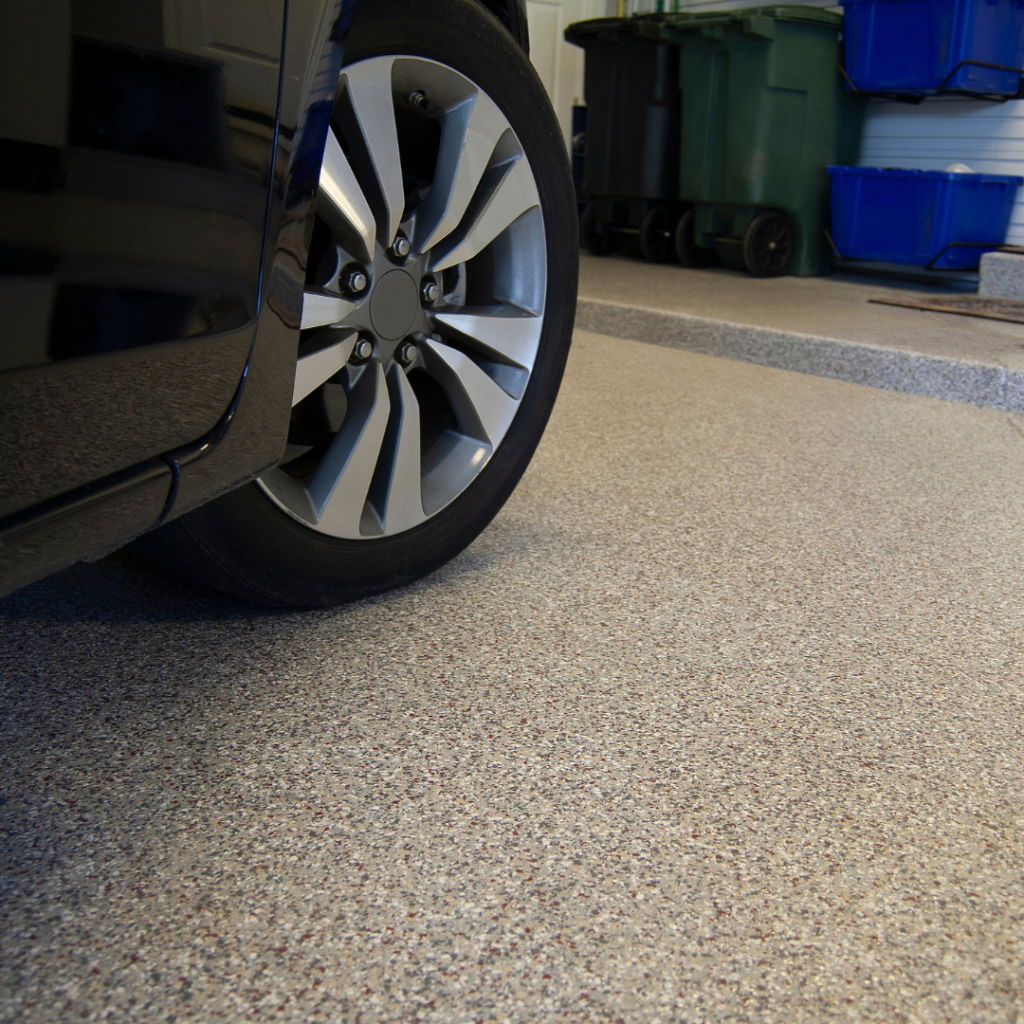
When upgrading garage floors, the majority of Jacksonville homeowners are choosing epoxy—and for good reason. Epoxy flooring offers a blend of durability and style that is hard to match with other materials. It’s not just about making the garage look good. It’s about transforming a practical space that often faces harsh treatment from oil spills, heavy traffic, and dropped tools. Epoxy stands out by not only resisting this daily wear and tear. They also enhance the overall value of the home with its sleek, professional appearance.

Why is this flooring option gaining such traction among the locals? This article discusses the core reasons behind epoxy’s popularity in Jacksonville homes. We’ll explore how epoxy addresses common flooring challenges with remarkable efficiency. Keep reading to discover how you, too, can benefit from this innovative flooring solution.

The Challenge: Common Garage Flooring Problems in Jacksonville

Garage flooring in Jacksonville faces several common challenges that can affect its longevity and appearance. The humid subtropical climate of the area, characterized by hot summers and mild winters, can be particularly tough on garage floors. This climate contributes to a few specific problems:

Moisture Damage

One of the biggest problems for garage floors in Jacksonville is moisture damage. The city’s average humidity levels often exceed 70%, which is higher than the recommended indoor humidity levels of 30 to 50%. This moisture can lead to cracks and discoloration over time. Epoxy coatings are often favored because they provide a moisture-resistant surface that helps prevent such damage.

Recommended Reading: Can High Temperature and Humidity Affect Epoxy Floors?

Heat and UV Exposure

During Jacksonville’s hot summers, the intense sun and UV rays can cause significant fading and deterioration in garage floors that are not adequately protected. Epoxy garage floors come with a UV-resistant layer and thermal shock resistance that help maintain the color and integrity of the flooring even under constant sun exposure.

Chemical Spills and Stains

Garage floors in Jacksonville often endure spills from oils, gasoline, and other chemicals. These substances can easily stain and deteriorate uncoated concrete. Epoxy flooring provides a non-porous, smooth surface that resists these chemicals, making it easier to clean up spills without leaving stains.

Wear and Tear from Vehicle Traffic

Regular use of heavy vehicles can stress garage floors, leading to cracks and wear over time. The durable nature of epoxy flooring helps it stand up better to the ongoing stress of vehicle traffic, making it a long-lasting solution for many homeowners.

By addressing these common challenges with a reliable solution like epoxy, Jacksonville homeowners can enjoy a more durable, attractive, and low-maintenance garage floor. This helps explain why many choose epoxy to upgrade and protect their garage spaces.

Epoxy Solutions: The Ultimate Answer for Garage Floors
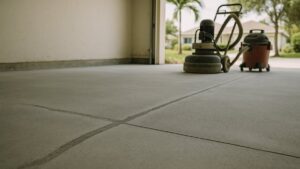
Jacksonville Garage

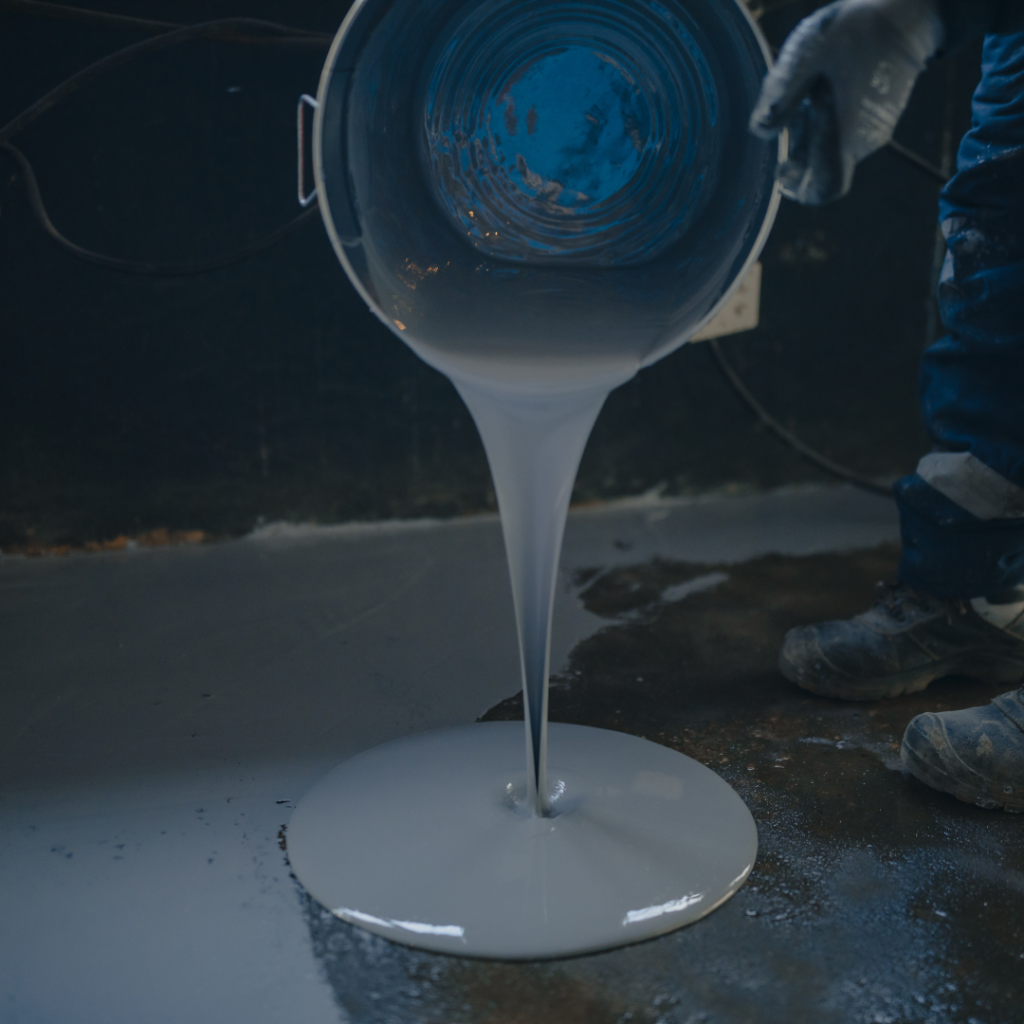
Epoxy is a type of synthetic resin that, when applied, forms a strong, hard coating. Once it’s mixed and laid down, it cures to become a smooth, continuous surface that can resist wear and tear far better than bare concrete. This resilience makes it particularly suitable for garages, which often have to endure heavy vehicles.

One of the standout features of epoxy flooring is its resistance to stains. Oil, brake fluids, and other automotive chemicals can easily be wiped off without leaving a mark, which is a significant advantage for any garage. Moreover, the smooth surface is water-resistant, preventing the damage that can come from spills or moisture tracked in by cars during rainy or snowy weather.

From a maintenance perspective, epoxy floors are remarkably low-efficiency. They require only regular sweeping and occasional mopping with mild soap and water to maintain their appearance. This ease of care is a major draw for busy homeowners who prefer spending their time on hobbies or with family rather than on labor-intensive home upkeep.

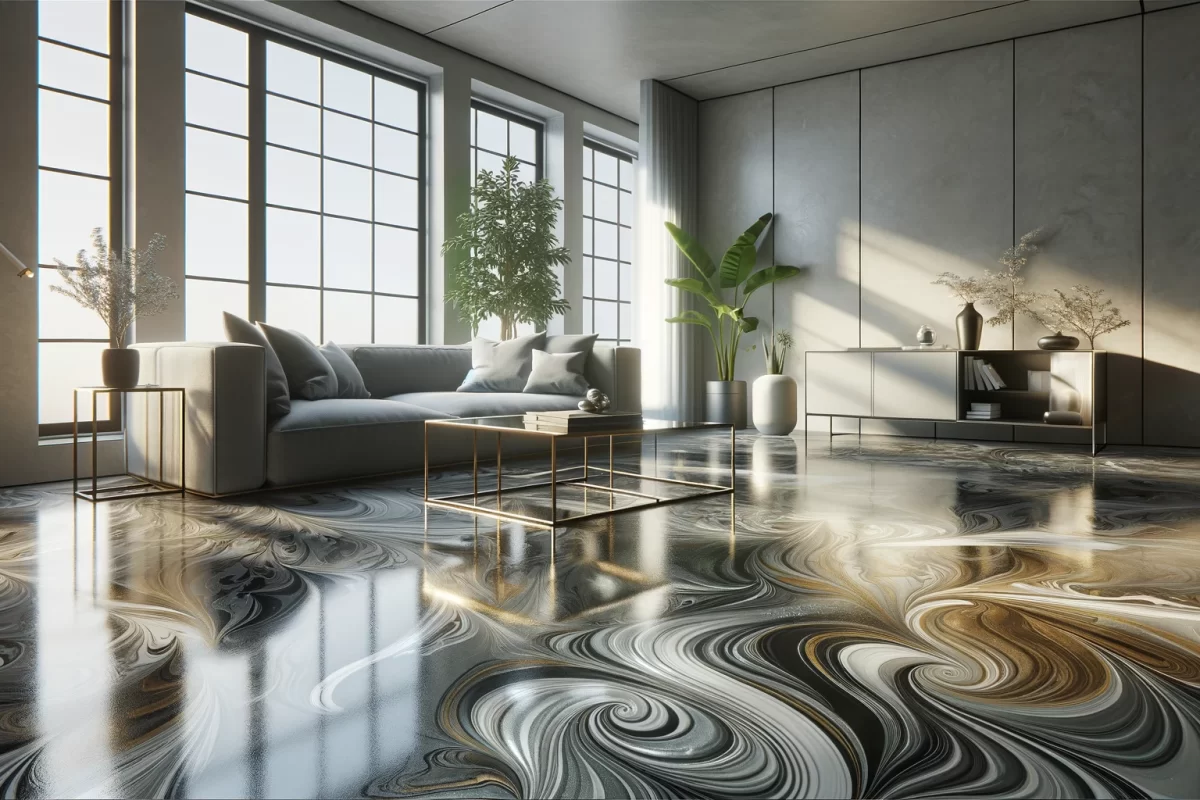
Aesthetically, epoxy offers a range of options that can be tailored to any homeowner’s taste. It is available in a wide variety of colors and finishes, including options that mimic granite, quartz, or even intricate patterns. For those looking to customize their space, decorative flakes or quartz can be added to the epoxy during the laying process to create a texture or accurate designs that enhances the garage’s overall look.

Epoxy solutions provide an effective, durable, and attractive and perfect choice for garages. Its robust nature ensures it can handle the heavy demands of garage use while its variety of long-lasting finishes allows homeowners to create a space that is both functional and stylish. Whether you’re renovating an old garage or finishing a new one, epoxy flooring stands out as a smart, long-lasting investment.

Decoding Garage Epoxy: Composition and Quality

The quality of epoxy flooring largely depends on the proportion and type of resins and hardeners used. High-quality epoxy contains a higher percentage of solids in the resin, which contributes to the floor’s thickness and longevity after the curing process. Standard commercial epoxy has about 40–60% solid content, but premium grade epoxy can go up to 100%, providing a denser, more durable floor.

In addition to its robust composition, the quality of garage epoxy flooring is enhanced through various additives. These include pigments for color, metallic flakes for a decorative elements, and slip-resistant grit for safety and peace of mind. The inclusion of UV inhibitors is also crucial for preventing color fading and degradation from sunlight exposure, which is particularly important in sunny locales.

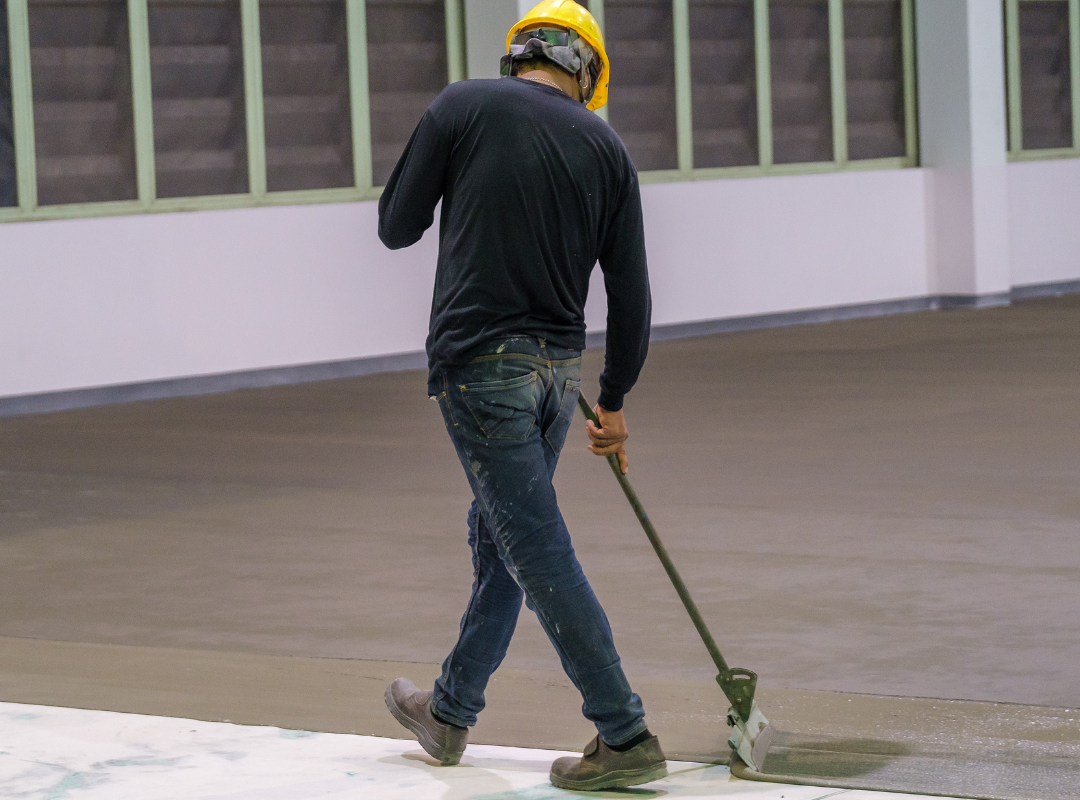
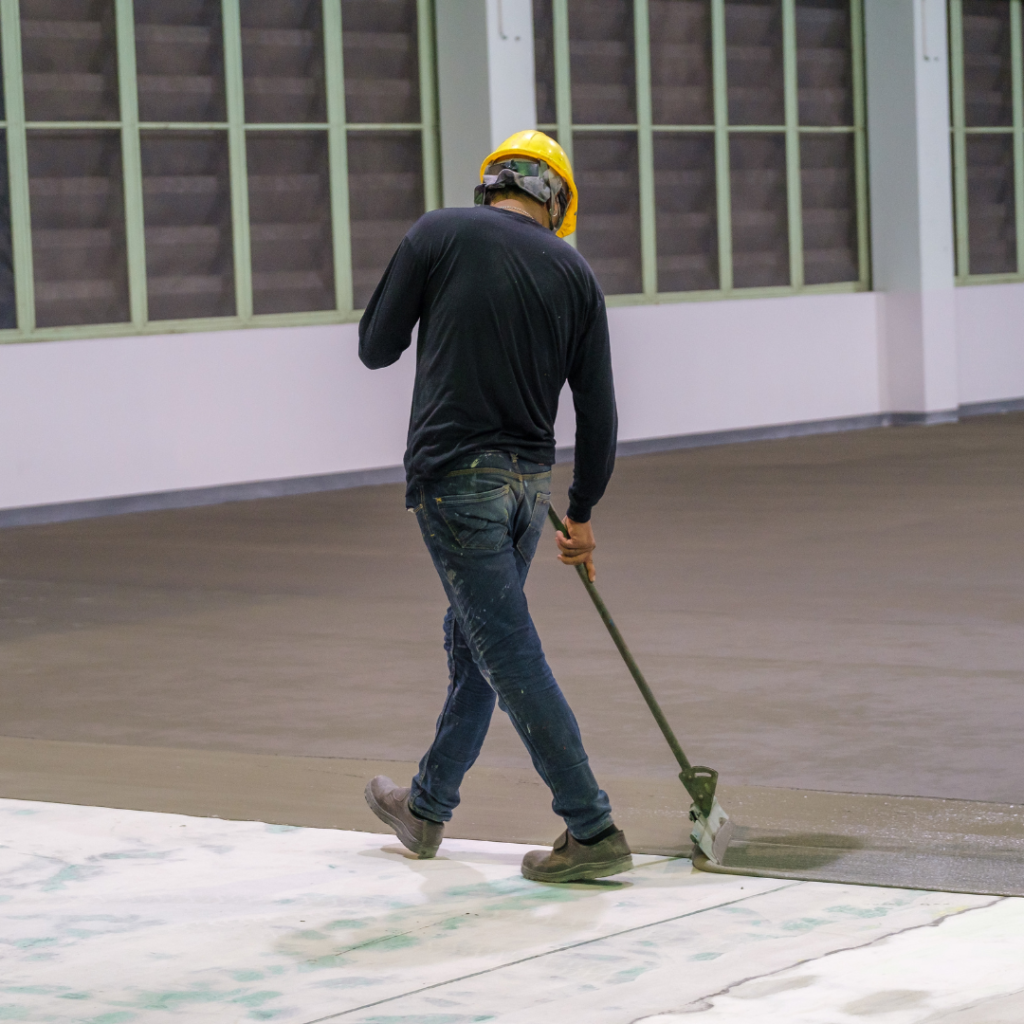
The application process further influences the epoxy’s quality. Proper surface preparation, such as cleaning and degreasing the concrete base and repairing any cracks, is essential before the epoxy mixture is applied. This ensures that the epoxy adheres well and lasts longer. The epoxy should be applied in a temperature-controlled environment to prevent bubbles and ensure it cures evenly and smoothly.

Recommended Reading: Breathe Easy with Non-Toxic Epoxy Flooring Solutions

Cost Analysis: Investing in Epoxy vs. Traditional Flooring

When comparing the costs of epoxy flooring with traditional flooring options like concrete or tiles, homeowners in Jacksonville often find that investing in epoxy offers a balance of durability and cost-effectiveness that is hard to beat.

Epoxy flooring is initially more expensive than plain concrete floors but generally cheaper than ceramic tiles. The price for installing epoxy can range from $3 to $12 per square foot. This cost range depends on factors such as:

  • the condition of the existing floor
  • the complexity of the custom design
  • and the quality of the epoxy flooring materials used

On the other hand, plain concrete flooring might cost less initially, typically between $1 to $3 per square foot. However, it lacks the protective benefits and aesthetic options that epoxy offers. Concrete surfaces are prone to cracking, and staining, and requires more frequent resurfacing, which can add to its long-term maintenance costs.

Ceramic tiles, while offering a wide range of design schemes, can be quite costly, ranging from $8 to $20 per square foot installed. Tiles also involve a more complex installation process and higher labor costs. They are durable but can crack under heavy impact and the grout may need periodic sealing to prevent stains.

While the initial cost of epoxy might be higher than some traditional options, its durability and low maintenance requirements make it a smart investment for many homeowners. Epoxy floors not only add value to a property through their appearance and longevity but also by reducing the need for costly repairs and updates.

Epoxy Flooring Lifespan: What You Need to Know

One of the key advantages of epoxy flooring is its lifespan. With proper installation and care, epoxy floors can last anywhere from 5 to 30 years, depending on the level of traffic and the general usage conditions.

To maximize the lifespan of an epoxy floor, proper installation is crucial. The concrete base needs to be properly prepared, which includes:

  • repairing any cracks or damage
  • ensuring the surface is level
  • and cleaning it thoroughly to remove any dust or debris

Proper preparation helps the epoxy adhere properly and prevents issues like bubbling or peeling.

Once installed, maintaining an epoxy floor is relatively straightforward. Regular cleaning with mild soap and water is generally enough to keep the beautiful floor looking new. Avoiding abrasive cleaners and tools will help prevent scratches and maintain the integrity of the epoxy surface.

Conclusion

Epoxy flooring is the popular choice for Jacksonville homeowners due to its durability, ease of maintenance, and aesthetic flexibility. This ideal flooring solution addresses common garage challenges such as moisture, chemical spills, and heavy traffic, making it a practical and stylish choice. Its ability to resist wear and tear while offering a range of custom designs—from vibrant colors to unique textures—allows homeowners to personalize their useable space without sacrificing functionality.

For those ready to enhance their garage with durable, attractive flooring, Apex Flooring provides expert and quick installation services tailored to your specific needs. With a reputation for quality and customer satisfaction, Apex Flooring can help transform your garage into a high-value area of your home. Contact Apex Flooring today to discuss your epoxy flooring options and take the first step towards a stunning, resilient garage floor.

FAQs

People choose epoxy for their garage floors mainly due to its robustness and aesthetic appeal. Epoxy coating options transform a typical, dull garage into a bright and professional-looking space. It’s resistant to stains from chemicals like oils and grease, which are common in garage environments. Moreover, it’s easy to clean, requiring just mild soap and water, making it ideal for busy homeowners who value both functionality and style in their garages.

Yes, epoxy is an excellent choice for garage floors. It’s designed to withstand the heavy traffic typical of garage spaces, from cars and bikes to tools and heavy loads of machinery. Epoxy flooring is not only tough against impact and abrasion but also moisture-resistant, which is crucial in environments that may be exposed to spills or dampness. Additionally, the seamless surface of epoxy prevents dirt and dust from accumulating, making the garage easier to maintain over time.

Applying an epoxy coating to a garage floor can indeed increase home value. A well-applied epoxy floor improves the aesthetic of the garage, making it look clean and finished. This visual appeal can be a significant advantage when selling a home, as prospective buyers appreciate the clean, professional appearance and the reduced need for immediate maintenance or repair. Furthermore, the durability and longevity of epoxy can be a selling point, indicating to buyers that the garage is well-cared-for and ready for immediate use.

Epoxy flooring offers several benefits that make it a popular choice for not just garages but many areas subject to heavy use or requiring minimal maintenance. Key benefits include:

  • Durability
  • Ease of Maintenance
  • Aesthetic Variety
  • Safety Features
  • Cost-Effectiveness

These features make epoxy flooring an attractive option for those looking to enhance the functionality and appearance of their garage space.

Table of Contents

epoxy coatings

Call Us Now
(904) 595-9792

Related Epoxy Flooring News

Get In Touch

Get a Free Epoxy Flooring Estimate

Categories Apex

Why Epoxy Flooring Is an Excellent Choice for Hot Weather

Epoxy Flooring for Hot Weather

Blog

Why Epoxy Flooring Is an Excellent Choice for Hot Weather

Apex Epoxy Flooring Team

June 5, 2024

Table of Contents

Epoxy Flooring for Hot Weather

Imagine you walk barefoot on a surface that stays cool and comfortable, even under the scorching summer sun. Epoxy flooring offers this cool haven. It is a marvel of modern engineering. As temperatures rise each year, choosing the right flooring for hot weather becomes crucial. It’s not only about looks; it’s also about comfort and durability.

In this article, we will explore why epoxy flooring is the best choice for high temperatures. We will look at the various types available. Each type meets different aesthetic and functional needs. We will also consider key factors to make sure your floor withstands the summer heat. Follow our guide to make your space stylish and ready for summer.

Benefits of Epoxy Flooring in Hot Weather

Epoxy flooring is a smart and resilient choice for areas that experience high temperatures. Known for its hard-wearing properties, epoxy resin coatings offer a surface toughness that stands up to the rigorous conditions of hot climates.

Enhanced Durability and Chemical Resistance

In warmer regions like Southwest Florida, where our epoxy flooring installers in Fort Myers, FL work, flooring must endure more than just foot traffic. It also faces increased wear from thermal expansion and contraction. Epoxy floors provide exceptional durability. They cope well with the heavy use common in commercial and industrial settings. 

Moreover, the chemical structure of epoxy resins creates a resistant barrier. This barrier can handle chemical spills, oil stains, and other corrosive substances. Such resistance is especially beneficial in spaces like commercial kitchens, where spills often occur.

Protection Against UV Damage

Prolonged exposure to the sun’s ultraviolet (UV) rays can cause considerable damage to floors by fading colors and weakening the material. However, epoxy coatings can be formulated with UV inhibitors, offering significant protection against sun damage. This preserves both the functional and aesthetic qualities of the floor over time, maintaining a consistent and vibrant appearance without the fading or yellowing that can occur with other types of flooring.

High Heat Resistance

Epoxy floors are composed of polymers that withstand higher temperatures compared to conventional flooring materials. This heat resistance ensures the floor’s integrity even when subjected to the intense heat of direct sunlight or the high-temperature conditions of certain industrial processes. It is crucial for environments where thermal stability is a necessity for both safety and performance.

Easy Maintenance and Cleaning

One of the standout features of epoxy flooring in hot weather is how easy it is to maintain. Epoxy coatings have a seamless finish. This leaves no space for dirt and grime to hide, which makes cleaning simple. You can easily sweep or mop away dirt and debris. There are no deep grout lines or textures that trap contaminants.

Additionally, the non-porous surface of epoxy repels water and other liquids. This reduces the risk of mold and bacteria growth in humid conditions, which is why it performs so well in coastal climates like the one our epoxy floor installers in Savannah, GA work in. This hygienic feature is crucial for both residential and commercial spaces, especially those needing high cleanliness standards.

Epoxy flooring is a strong choice for hot weather. It offers durability, chemical and UV resistance, heat stability, and easy maintenance. These qualities make it an excellent option for various uses. It ensures long-lasting performance and ease of care, even in tough climates.

Types of Epoxy Flooring for Hot Weather

When dealing with high temperatures, choosing a flooring solution that maintains both function and form is essential. Epoxy flooring is a resilient option. It offers several types specifically suited for hot weather. Each type has unique benefits and applications. This makes them suitable for various needs and aesthetic preferences.

Epoxy Floor Coatings

Epoxy floor coatings are popular in areas that face high temperatures. These coatings form a hard, durable surface. They can handle the wear and tear of heavy foot traffic and industrial activities. You can choose from solid colors and decorative options. These include decorative flakes to enhance the appearance.

Professionals install these coatings to ensure a seamless finish. They add UV resistance to prevent fading and degradation from sun exposure. Notably, epoxy’s chemical resistance acts as a shield. It protects against oil stains and other substances. This makes epoxy a practical choice for areas like garages and commercial kitchens.

Epoxy Metallic Flooring

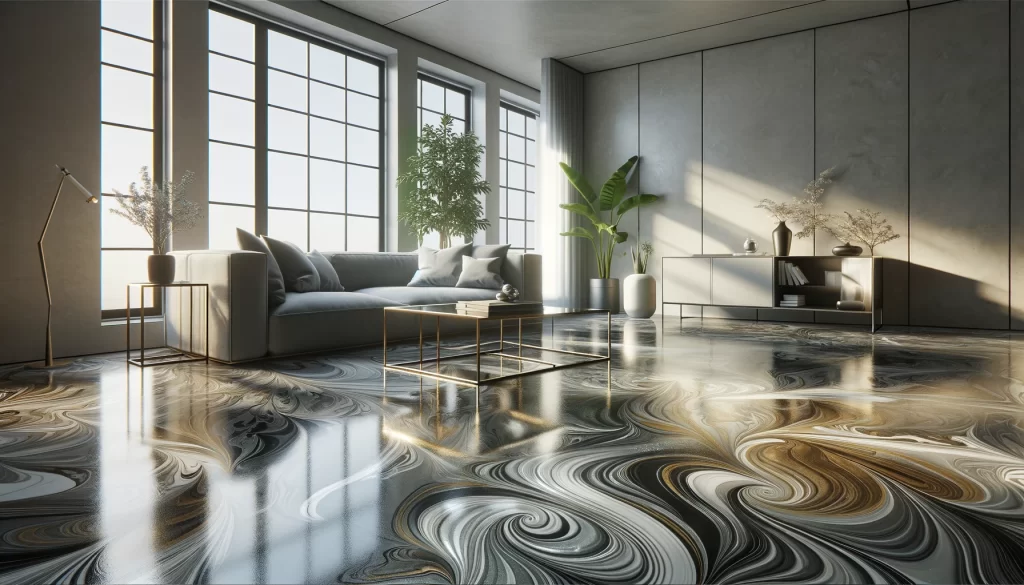
For those seeking durability and unique aesthetics, epoxy metallic flooring is an excellent choice. This type of epoxy includes metallic pigments. It creates a lustrous, dynamic surface that looks like marble or rippling water. Epoxy metallic flooring is not only visually impressive but also structurally beneficial.

Like regular epoxy, it withstands high temperatures, resists chemicals, and is impact-resistant. These qualities make it ideal for both residential and commercial applications. In these settings, style and function must blend seamlessly.

In summary, when choosing epoxy flooring for high-temperature environments, consider the floor’s exposure to sun, chemicals, and heavy use. Epoxy floor coatings and metallic epoxy flooring, each offer unique features. They ensure there is an ideal epoxy solution for every hot weather challenge.

Key Considerations for Hot Weather Epoxy Flooring

When choosing epoxy flooring for hot environments, you must consider several key factors. These include the floor’s ability to resist impact and heavy foot traffic without damage. A seamless finish is crucial. It provides aesthetic appeal and helps resist heat-induced cracking and blistering.

Additionally, resistance to oil stains and chemicals is essential in places like garages, workshops, and commercial kitchens. By considering these factors carefully, you can ensure the longevity and durability of your epoxy flooring investment in hot climates.

Impact Resistance and Foot Traffic

Epoxy floors are famous for their durability and strength. These qualities are vital for flooring systems that face frequent high impacts or heavy foot traffic. This durability is crucial in places like retail stores, industrial sites, and public venues. In these areas, the floor must stay intact despite constant use.

When looking at options, focus on epoxy flooring solutions that are impact-resistant. These are usually reinforced with strong aggregate materials. This reinforcement helps the floor stay resilient and functional, even in very hot conditions.

Seamless Finish for Avoiding Cracks and Blisters

A seamless finish in epoxy flooring helps with maintenance and hygiene. It also plays a key role in resisting heat. Hot weather can make flooring materials expand and contract. This can lead to cracks and blisters that may weaken the floor’s structure.

To prevent these problems, you should choose expertly installed epoxy flooring with a seamless finish. This type of finish provides a continuous surface that withstands thermal expansion better. It reduces the chances of heat-related damage and keeps the surface smooth and attractive in any setting.

Resistance to Oil Stains in Garages and Workshops

Garages and workshops often experience spills, such as oils and lubricants. These can leave stubborn stains on flooring. Epoxy flooring is non-porous, making it highly resistant to such contaminants. When professionals install it, like the Apex crew that handles epoxy garage floors in metro Atlanta, this flooring option provides a surface that repels oil stains. This makes cleanup easy and prevents the unsightly blemishes that other flooring types might suffer.

Its resistance to oil and similar substances keeps floors in these hot, messy environments looking pristine with minimal effort.

Chemical Resistance for Commercial Kitchens and Industrial Settings

In commercial kitchens and industrial settings, floors often face exposure to harsh chemicals. These might include spilled ingredients or cleaning agents. The chemical resistance of epoxy flooring is a crucial feature in these environments. It ensures that the surface does not degrade or disintegrate when it contacts aggressive chemicals. This helps maintain a safe and clean environment.

When choosing epoxy flooring for such areas, it is critical to select a formula specially designed for high chemical resistance. This choice will protect against the tough demands of these hot, chemically-intensive workplaces.

Decorative Options for Hot Weather Epoxy Flooring

When dealing with hot climates, it is crucial to choose the right decorative options for epoxy flooring. These choices affect both aesthetics and the floor’s integrity. Epoxy floors are durable and can resist high temperatures. However, certain finishes and colors can improve their performance in hot weather.

Choose lighter shades that reflect sunlight and retain less heat, a point our epoxy flooring installers in Boca Raton raise often given how strong the South Florida sun gets. Additionally, it is essential to use UV-resistant topcoats. These prevent yellowing or degradation of the epoxy resins from prolonged sun exposure.

Solid Color Epoxy Floors

Solid color epoxy floors are a popular choice for those seeking a simplistic yet modern look. Perfect for both residential and commercial spaces, these floors offer a uniform appearance that can help to create the illusion of a larger, more open space. Available in a wide variety of colors, you can tailor solid color epoxy floors to match any design aesthetic. Importantly, for hot weather environments, opting for lighter colors will assist in minimizing heat absorption in sunny areas.

Decorative Flakes and Patterns

To add depth and texture to your epoxy flooring, you can incorporate decorative flakes, also known as color chips, into the epoxy coating. These flakes are available in various colors, sizes, and blends. This variety allows for customization to match any decor style. When you spread them across the floor, they create unique patterns. These patterns can hide imperfections and boost the floor’s visual appeal.

For hot climates, it is wise to choose flakes in lighter hues. These can complement the solid base color and enhance the floor’s heat-reflective properties.

Other Decorative Options

Epoxy floors provide many decorative options besides solid colors and flakes. For example, metallic epoxy floors offer a glossy finish with a rippling design. This design can mimic natural stone or flowing water. You can choose either solvent-based or water-based epoxies depending on the effect you desire.

Additionally, you can add logos or intricate designs to the floor. You can use stencils or custom-made patterns for this purpose, making it ideal for branding or personalizing a space.

For hot weather, it is essential to include UV-resistant additives. These additives help preserve the longevity and beauty of the decorative finishes.

Maintenance Tips for Epoxy Flooring in Hot Weather

Maintaining your epoxy flooring in hot weather is vital to ensure its longevity and aesthetic appeal. As temperatures rise, certain maintenance steps can help preserve the quality and look of your floor. Here are some essential tips to keep your epoxy floors in top condition during the hot months.

Regular Cleaning and Sweeping

Regular cleaning is crucial in maintaining the luster and slip resistance of epoxy floors, especially in hot weather when dust and debris may stick to the surface more readily. Sweeping daily with a soft-bristle broom can prevent the accumulation of grit that can scratch the surface. For a deeper clean, mop with a gentle, non-abrasive cleaner diluted in warm water. Be sure to:

  • Avoid harsh chemicals that could degrade the epoxy resin
  • Rinse thoroughly with clean water to remove any soap residue
  • Dry with a soft towel or let air dry completely to prevent water spots

Preventing Sun Damage and Fading

Epoxy floors exposed to sunlight need extra protection to prevent UV damage, which can lead to discoloration and weakening of the material. Employ strategies such as:

  • Using UV-resistant topcoats to act as a barrier against sun rays
  • Installing blinds or curtains to control the amount of sunlight hitting the floor
  • Applying a new UV-resistant layer when signs of aging appear

By taking preemptive action, you can help ensure that your floor remains vibrant and unaffected by the sun’s harsh effects.

Dealing with High Humidity and Moisture

Hot weather often brings increased humidity, which can impact epoxy floors by creating a breeding ground for mold and mildew. To combat moisture:

  • Maintain a controlled indoor environment with air conditioning or dehumidifiers
  • Address any spills or moisture accumulation immediately to prevent slipping hazards and potential water damage
  • Inspect for any signs of peeling or bubbling in the coating, which can indicate moisture has seeped underneath

Effective moisture management can prevent structural issues and maintain the integrity of the epoxy coating.

Protecting Against Furniture and Equipment Damage

Furniture and heavy equipment can cause scratches and gouges in epoxy floors. To protect your flooring:

  • Use protective pads under furniture legs and heavy machinery to distribute weight
  • Avoid dragging sharp or heavy objects across the floor
  • Regularly inspect and replace any worn protective coverings to ensure continuous protection

Protecting against physical damage is key to preserving the smooth, seamless finish of your epoxy flooring. By following these maintenance tips, you can keep your epoxy flooring looking new and performing optimally even in the hottest weather conditions, including the relentless summer heat and Gulf Coast humidity our epoxy flooring installers in St. Petersburg, FL plan for on every project.

Conclusion

This guide has shown that epoxy flooring is an exceptional choice for keeping floors cool, durable, and stylish in hot weather. It resists high temperatures, UV damage, and chemicals. This makes it perfect for various places, from busy commercial kitchens to peaceful homes.

Apex Epoxy Flooring is your trusted partner for the perfect flooring solution in any setting. Are you updating your home, business, or industrial space? Their expert team will deliver high-quality results that combine function and style seamlessly. They offer UV-resistant coatings and decorative finishes to ensure your floors look great and perform well in any conditions.

Choose Apex Epoxy Flooring, the leading epoxy contractor for residential, commercial, and industrial projects. Contact them today to prepare your space for summer.

FAQs

Yes, epoxy flooring is highly suitable for hot climates due to its ability to withstand high temperatures. It remains cool underfoot, even in direct sunlight, making it a comfortable choice for summer.

Epoxy floors can be specially formulated with UV inhibitors to prevent fading and degradation from prolonged sun exposure. This makes them an excellent option for areas that receive a lot of direct sunlight.

Epoxy flooring is designed to handle the thermal expansion and contraction that often occurs in hot weather. Its seamless finish helps prevent cracks and blisters that can be caused by extreme temperature changes.

Yes, there are specific high-temperature epoxy formulations available that can withstand greater heat without losing integrity or appearance. These are ideal for environments with very high ambient temperatures.

Epoxy flooring is not only durable and easy to maintain, but it also offers chemical and UV resistance, which are essential in both residential and commercial settings. Its cool surface and robust nature make it practical for busy homes and workplaces alike during the hot months.

Table of Contents

epoxy coatings

Call Us Now
(904) 595-9792

Related Epoxy Flooring News

Get In Touch

Get a Free Epoxy Flooring Estimate

Categories Apex

Breathe Easy with Non-Toxic Epoxy Flooring Solutions

epoxy-flooring

Blog

Breathe Easy with Non-Toxic Epoxy Flooring Solutions

Apex Epoxy Flooring Team

May 29, 2024

Table of Contents

epoxy-flooring

Maintaining a healthy epoxy flooring environment is crucial, and the quality of the air we breathe plays a significant role in this. Often overlooked, flooring materials can impact indoor air quality significantly. Traditional flooring options like some carpets and vinyl can emit Volatile Organic Compounds (VOCs), which may cause health issues over time.

Non-toxic epoxy flooring emerges as an excellent alternative, offering a safer, healthier environment. These flooring solutions are designed to minimize the release of harmful chemicals, ensuring that indoor spaces remain safe and comfortable for everyone, especially in homes, schools, and healthcare facilities.

Continue reading to learn more about how non-toxic epoxy flooring stands out in many aspects.

Understanding Epoxy Flooring and VOCs

Epoxy flooring is a type of surface coating that combines resins and hardeners to create a strong, durable bond. When these two components mix, they chemically react to form a rigid plastic material that is tough, resistant to degradation, and bonds exceptionally well to its substrate. Commonly used in commercial and industrial settings, epoxy flooring is favored for its resilience and ability to withstand heavy traffic. This makes it a popular choice for garages, warehouses, and hospitals.

VOCs are chemicals that are emitted as gases from certain solids or liquids, including many types of flooring materials. VOCs include a variety of chemicals, some of which may have short- and long-term adverse health effects. They are found in paints, varnishes, and building materials. These compounds can decrease indoor air quality and pose health risks to occupants.

The health implications of VOC exposure can be significant. Short-term exposure to VOCs can lead to symptoms such as:

  • headaches
  • dizziness
  • eye, nose, and throat irritation
  • and other respiratory diseases like asthma

Long-term exposure can be more severe, potentially leading to:

  • chronic respiratory issues
  • liver and kidney damage
  • and even the central nervous system harm

This makes the choice of flooring materials important in spaces where people spend a lot of time.

Environmental Considerations

Environmental considerations play a crucial role in creating safer, more sustainable spaces. Epoxy floors stand out for health and ecological benefits.

Low Volatile Organic Compounds

One of the most significant attributes of modern epoxy flooring is its low Volatile Organic Compound content. VOCs are chemicals that vaporize at room temperature and can release harmful gases into the air. By choosing epoxy floors with low VOCs, homeowners and businesses reduce the risk of air pollution indoors. Epoxy floors make spaces safer for everyone, especially children, the elderly, and those with respiratory issues. Also, they contribute to a healthier environment by reducing the release of these pollutants into the atmosphere.

Odorless Formulations

Another advantage of using advanced epoxy flooring is its odorless formulation. Traditional flooring options can emit strong odors during and after installation. This can be uncomfortable or even harmful over time. Odorless epoxy floors eliminate offer a more pleasant and immediate use of spaces post-installation. This feature is beneficial in basements, hospitals, and schools, where air circulation might be limited, and odor can linger.

Compliance with Green Building Standards

Non-toxic epoxy floors align well with green building standards. These standards, set by organizations like the United States Green Building Council through LEED certification, encourage environmentally responsible and resource-efficient building practices. Non-toxic epoxy flooring contributes to meeting these standards by improving indoor environmental quality and using materials that are safer for the environment.

The Benefits of Non-Toxic Epoxy Flooring

Non-toxic epoxy flooring is gaining popularity due to its impressive range of benefits. Here, we explore how non-toxic epoxy flooring improves indoor air quality, safety, and durability.

Improved Indoor Air Quality

Non-toxic epoxy flooring contributes to cleaner indoor air. Traditional flooring solutions can emit VOCs, which are chemicals that can have short and long-term adverse health effects. Non-toxic epoxy, however, is formulated to have low or no VOC emissions. This means it doesn’t release harmful chemicals into the air. Thus, helping to maintain the quality of indoor air and ensure a safer breathing environment. This feature is beneficial in enclosed spaces where air circulation may be limited.

Safety for Various Settings

The versatility of non-toxic epoxy flooring extends to its suitability for homes, schools, hospitals, and businesses. In residential settings, safety is paramount, especially in homes with young children or the elderly who may be more susceptible to pollutants. Schools and hospitals, where safety and hygiene are top priorities, also benefit from non-toxic epoxy floors because they are easy to clean and maintain.

The absence of toxic chemicals makes these floors an ideal choice for environments where health and safety standards are stringent. Businesses too find non-toxic epoxy appealing due to its aesthetic appeal and its ability to maintain a safe workplace, free from airborne contaminants that could affect employee health.

Longevity and Durability Without Health Risks

Non-toxic epoxy flooring is resilient against wear, tear, and chemical spills, maintaining its appearance and functionality over long periods. Traditional flooring materials like vinyl or carpet can degrade quicker and require frequent replacements or repairs. They may harbor allergens and dust, which are less prevalent in non-toxic epoxy floors due to their seamless and non-porous surface.

Maintenance needs for non-toxic epoxy are minimal. These floors are easy to clean—usually just needing a wipe down with mild soap and water. Other flooring types might need special cleaning agents or intensive labor to maintain their condition. The combination of minimal maintenance, durability, and absence of health risks makes non-toxic epoxy flooring a cost-effective and safe choice for both residential and commercial properties.

Suggested Reading: Epoxy Resin Flooring: Modern Design Guide & Trends

How Non-Toxic Epoxy Floors Are Made

Non-toxic epoxy floors offer a safer and healthier option for both residential and commercial spaces. Here’s a closer look at how these environmentally friendly floors are made:

Manufacturing Process of Non-Toxic Epoxy Floors

The production process of non-toxic epoxy flooring is controlled to ensure safety and quality. The primary distinction between non-toxic and standard epoxy is the formulation of the raw materials: resin and hardener components. In standard epoxy, the toxicity of components can include solvents and reactive diluents responsible for the release of VOCs during the curing process. Non-toxic epoxy, on the other hand, uses advanced formulations that reduce or eliminate these volatile compounds.

Key Ingredients in Non-Toxic Epoxy That Reduce or Eliminate VOC Content

  • Biobased Resins: Many non-toxic epoxies incorporate resins derived from natural sources such as plant oils. These biobased resins emit significantly lower VOCs compared to their petroleum-based counterparts.
  • Water-Based Hardeners: Instead of traditional solvent-based hardeners, non-toxic epoxy often utilizes water-based alternatives. These hardeners help in reducing the VOC emissions during the curing process. They also contribute to a safer application environment by minimizing the inhalation risks associated with solvent vapors.
  • Low VOC Additives: Non-toxic epoxy floors may include additives that improve scratch resistance, UV stability, and moisture resistance. These additives are selected based on their low VOC content and compatibility with the eco-friendly profile of the flooring system.
  • Advanced Curing Agents: The curing agents used in non-toxic epoxies react completely with the epoxy resin. This reaction minimizes any unreacted substances that could contribute to indoor air pollution.

Non-toxic epoxy floors support healthier indoor environments. They also offer robust and long-lasting flooring solutions. Their manufacturing process reflects a commitment to sustainability and health. This makes them an ideal choice for anyone looking to combine style with safety in their flooring options.

Comparing Non-Toxic Epoxy Flooring with Other Flooring Options

Let’s explore how non-toxic epoxy compares to other common flooring options in VOC levels and practical benefits:

VOC Levels Comparison:

  • Carpet: Carpets are known to emit higher levels of VOCs, especially shortly after installation. These emissions can include a variety of chemicals, some of which may cause respiratory irritation or other health issues over time.
  • Vinyl: Vinyl flooring, particularly older types and lower quality products, can also release significant amounts of VOCs. These levels can vary based on the composition of the vinyl and the adhesives used during installation.
  • Hardwood: While natural hardwood emits lower levels of VOCs than carpet or vinyl, the finishes and adhesives used in hardwood flooring can add to the VOC content. Pre-finished hardwood often contains more VOCs due to these treatments.
  • Traditional Epoxy: Traditional epoxy flooring systems are known for their durability but can contain chemicals that off-gas VOCs during and after application, which can be a concern for indoor air quality.

When compared to other flooring options, non-toxic epoxy provides a compelling mixture of low VOC emissions, ease of maintenance, cost-effectiveness, and aesthetic versatility, making it an excellent choice for both residential and commercial settings.

Suggested Reading: Can Heat and Humidity Affect Epoxy Floors?

Conclusion

Choosing the right flooring is essential not just for the look of your space, but for your health and the planet, too. Non-toxic epoxy flooring is a smart choice for anyone concerned about indoor air quality and environmental sustainability. These floors contain low levels of VOCs, which means they don’t release harmful chemicals into the air. This makes them a safer option for homes, kitchens, schools, grocery stores, and workplaces, helping everyone breathe easier.

If you’re thinking about updating your floors, consider non-toxic epoxy solutions from Apex Flooring as your first step towards a healthier, more sustainable environment. For more detailed information on how our flooring solutions can benefit you, or to explore our products, contact Apex Flooring.

FAQs

Yes, zero VOC epoxy products are available. These products are specifically formulated to eliminate volatile organic compounds (VOCs), making them a safer choice for indoor environments. Manufacturers achieve this by using alternative ingredients that do not emit harmful gases.

Standard epoxy can give off VOCs, especially during the curing process. The level of VOCs can vary depending on the type of epoxy and its formulation. However, there are also low-VOC and zero-VOC epoxies designed to minimize or eliminate these emissions.

Epoxy flooring is generally safe for indoor use, particularly if it is low-VOC or VOC-free. It is durable, resistant to wear, and easy to clean, making it ideal for both residential and commercial spaces. When selecting epoxy flooring, choosing a product with low or no VOCs is crucial for ensuring it does not adversely affect indoor air quality.

In cases where standard epoxy is used, VOCs can be present for a few days up to several weeks after application. Opting for low-VOC or zero-VOC epoxy products reduces this emission period, often eliminating it entirely.

While epoxy flooring is safe when fully cured, exposure to VOCs during and shortly after application can pose health risks. Symptoms can include eye, nose, and throat irritation, allergic skin reactions, and respiratory distress. These risks are significantly lower or non-existent with low-VOC and VOC-free epoxies.

Table of Contents

epoxy coatings

Call Us Now
(904) 595-9792

Related Epoxy Flooring News

Get In Touch

Get a Free Epoxy Flooring Estimate

Categories Apex

How to Choose the Right Epoxy for Your Garage Floor: A Material Showdown

Garage Floor

Blog

How to Choose the Right Epoxy for Your Garage Floor: A Material Showdown

Apex Epoxy Flooring Team

May 22, 2024

Table of Contents

Garage Floor

Choosing the right epoxy for your garage floor depends on the garage’s main function, aesthetics, and climate considerations. There are four primary epoxy types: flake, metallic, quartz, and solid, each providing different benefits. Flake and metallic epoxy are ideal for workspaces due to their durability and high-end finish. Quartz is recommended for high-traffic areas, while solid epoxy is perfect for parking and storage spaces. 

Each type resists wear and tear effectively, but the benefits extend beyond durability. Digging deeper into these types and their individual merits would help anyone make the best choice for their garage.

Key Takeaways

  • Evaluate your garage’s primary function and usage requirements to select the suitable epoxy type.
  • Consider flake epoxy for a textured, durable surface suitable for workspaces.
  • Metallic epoxy is ideal for a shiny, low-maintenance surface with high durability.
  • Choose quartz epoxy for high-traffic areas due to its resistance and textured look.
  • Solid epoxy is perfect for parking and storage spaces due to its high gloss finish and chemical resistance.

Understanding Epoxy Materials

Looking at the different types of epoxy materials, it’s essential to understand that each type, whether it’s flake, metallic, quartz, or solid, offers unique benefits and is suited to specific uses due to its inherent strengths and durability. Garage floor epoxy, for instance, is a popular choice due to its resistance to wear and tear, making it ideal for high-traffic areas.

Epoxy flake garage floor is a standout due to its unique aesthetic appeal. Flake epoxy provides a multi-colored, textured surface that’s not only durable but also hides imperfections and stains. It’s an excellent choice for homeowners looking to add a touch of flair to their garages.

Metallic epoxy garage floor, on the other hand, gives a high-end, gleaming finish, perfect for modern garage aesthetics. This particular epoxy type creates a glossy, reflective surface that’s sure to catch the eye, without compromising on strength.

Quartz epoxy floors are known for their extreme durability, making them ideal for commercial or industrial settings. They are also highly customizable in terms of color and design.

Lastly, solid epoxy flooring is the epitome of strength and simplicity. It provides a sleek, uniform finish while offering high resistance to chemicals, making it a great choice for practical and functional spaces.

Evaluating Your Garage Needs

To ensure you select the best epoxy flooring for your garage, it’s crucial to assess your specific needs and usage requirements. The first step in this evaluation process is to consider the garage’s primary function. If it’s a simple parking and storage space, durability and resistance to fluids and chemicals may be the top priorities. In such a case, a solid epoxy floor might be suitable.

On the other hand, if the garage is a workspace, comfort and aesthetics become important factors. Here, a flake or metallic epoxy floor, which provides a pleasing look and added texture for slip resistance, could be a better choice.

The frequency and type of traffic the floor will endure also play a pivotal role. For high-traffic areas or places subjected to heavy equipment, a quartz epoxy floor, known for its extreme durability, might be the go-to option.

Lastly, climate considerations can’t be overlooked. In areas prone to dampness or extreme temperature fluctuations, one needs an epoxy type that can withstand these conditions. Understanding these needs and requirements will steer a homeowner towards the right epoxy flooring choice.

Advantages of each Epoxy Type

Each type of epoxy flooring, namely flake, metallic, quartz, and solid, offers unique benefits that cater to different garage needs. Here are the different advantages of each epoxy type for our garage floor: 

Flake epoxy floor

Flake epoxy flooring shines in its versatility and aesthetic appeal, offering a wide array of color combinations to fit any garage design. The vibrant flakes add depth and dimension, creating a unique, customized look. Beyond its visual appeal, flake epoxy is renowned for its durability and strength. It’s capable of withstanding heavy traffic and resist damage from chemicals, making it an excellent choice for busy garages. 

Additionally, its textured surface provides enhanced slip resistance, a critical safety feature in environments prone to spills or damp conditions. Finally, flake epoxy flooring is relatively easy to install and maintain, a factor that adds to its overall cost-effectiveness. This makes it a go-to choice for homeowners seeking both functionality and style in their garage flooring.

Metallic epoxy floor

While flake epoxy flooring presents a versatile option, metallic epoxy flooring offers a distinct set of advantages, particularly for those seeking a high-end, ultra-modern aesthetic for their garage. This type of flooring is renowned for its unique, glossy finish which not only adds a touch of luxury but also enhances light reflection, making the garage appear brighter and larger.

Characteristics and Applications of Metallic Epoxy Floors

Advantage

Metallic Epoxy Floor

Application

Durability

High

Withstands heavy traffic

Aesthetics

Exceptional

Adds an ultra-modern look

Maintenance

Low

Easy to clean and stain-resistant

Cost-Effectiveness

Moderate

Higher upfront cost but long-term savings

In essence, metallic epoxy flooring is a perfect choice for those prioritizing durability, aesthetics, and low maintenance, despite its moderate cost-effectiveness.

Quartz epoxy floor

Shifting our focus to quartz epoxy flooring, it’s worth noting that this type offers a superb blend of durability and aesthetics, making it ideally suited for high-traffic areas that require an added touch of sophistication. Infused with a myriad of quartz granules, this epoxy variant boasts a high degree of resistance to wear and tear. It’s not only tough and robust but also non-slip, promoting safety in areas prone to spills or moisture. In terms of aesthetics, quartz epoxy flooring shines with an attractive, textured look that can be customized in a range of color options. Ideal for both residential and commercial settings, it also provides seamless, easy-to-clean surfaces, offering a practical choice for those needing both style and durability.

Solid epoxy floor

Turning our attention to solid epoxy flooring, it’s important to note this type’s unrivaled durability and strength, making it a popular choice for industrial and commercial spaces. This epoxy type withstands heavy machinery, high foot traffic, and chemical spills with ease.

To create imagery in the audience’s mind, consider these advantages of solid epoxy flooring:

  • Unmatched Durability: It’s robust against abrasion, impact, and heavy loads.
  • Chemical Resistance: It’s immune to most chemicals, oils, and solvents.
  • Ease of Maintenance: Its seamless finish makes cleaning effortless.
  • Aesthetic Versatility: It comes in a wide range of colors and can complement any space.
  • Longevity: It offers a longer lifespan compared to other flooring options.

These advantages make solid epoxy flooring a dependable choice for demanding environments.

Making the Right Epoxy Choice

In order to make the right epoxy choice for your garage floor, it’s crucial to understand the unique strengths and ideal uses of each type: flake, metallic, quartz, and solid epoxy floors.

Here is a table that provides a clear comparison to help in selecting the right type of epoxy flooring based on the specific needs and aesthetics of the space.

Type of Epoxy Floor

Main Characteristics

Ideal Uses

Flake Epoxy Floor

Durable, aesthetically appealing, customizable with colored flakes for decorative touch

Garages needing a decorative and durable surface

Metallic Epoxy Floor

Offers a unique, three-dimensional look with swirling, liquid-like metallic pigments

Garages where a visually striking look is desired

Quartz Epoxy Floor

Epitome of strength and durability, resistant to chemicals, impacts, and slips

High-traffic and commercial garages

Solid Epoxy Floor

Uniform, high-gloss finish, resistant to heavy loads and harsh chemicals

Industrial settings with heavy machinery and loads

In the end, the right epoxy choice boils down to understanding your specific needs and the unique strengths of each type. With the right information, you can transform your garage into a durable, stylish, and functional space.

Epoxy Application Tips and Tricks

Mastering the art of epoxy application can drastically enhance the longevity and appearance of your garage flooring. Following specific tips and tricks can ensure the process is done correctly, resulting in a durable, aesthetically pleasing finish.

To create a vivid image in the reader’s mind, here are five key points to consider:

  • Proper Surface Preparation: The floor should be clean, dry, and free from any oil, grease, or other contaminants. This promotes strong adhesion between the epoxy and the surface.
  • Correct Mixing of Components: The epoxy resin and hardener must be mixed thoroughly to achieve optimum results. Incorrect ratios could lead to a poor finish.
  • Ideal Temperature and Humidity: Epoxy application should be done in a temperate environment with low humidity. Extreme conditions could negatively impact the curing process.
  • Use the Right Tools: Application tools like brushes, rollers, and squeegees should be of high quality to ensure a smooth, even layer of epoxy.
  • Follow Manufacturer Instructions: Always adhere to the guidelines provided by the epoxy manufacturer. They contain specific details that are critical for successful application.

Conclusion

Epoxy ranks as a top choice for garage flooring because of its durability and visual appeal. You can opt for flake, metallic, quartz, or solid epoxy. Each type makes your garage floor durable and attractive. It is crucial to assess your garage’s needs carefully. This assessment helps you make the best choice, leading to a functional and appealing garage.

If you plan to install epoxy flooring, consider hiring Apex Epoxy Flooring. This reliable contractor provides professional epoxy flooring services. They serve homes and businesses in Brunswick, GA, Jacksonville, Naples, and St. Augustine, FL. Choose Apex Epoxy Flooring for excellent results on your project. Contact them today!

FAQs

Considering the longevity of various epoxy materials, it’s impressive that flake epoxy can last up to 25 years. Solid, metallic, and quartz types also boast impressive durability, often exceeding 20 years with proper care.

In comparing strengths, metallic epoxy’s robust, high-gloss finish outperforms flake epoxy’s durability. However, flake epoxy’s textured surface offers superior slip resistance, making it a safer choice in high-traffic areas.

Indeed, solid epoxy floors can withstand heavy machinery and high traffic. They’re resilient, maintaining a glossy finish despite the wear and tear. It’s a workhorse, perfect for garages needing high-strength, durable flooring.

Quartz epoxy’s unique blend offers exceptional durability. It’s ideal for garages needing resistance to chemicals, abrasions, and heavy impact. Plus, it’s slip-resistant, ensuring it’s safe, even in high-moisture environments. It’s a solid, practical choice.

Each epoxy type’s durability directly influences its best use. Flake’s toughness withstands heavy traffic, metallic’s resilience handles stains, quartz’s strength suits high-impact areas, and solid’s durability makes it ideal for general-purpose use.

Table of Contents

epoxy coatings

Call Us Now
(904) 595-9792

Related Epoxy Flooring News

Get In Touch

Get a Free Epoxy Flooring Estimate

Categories Apex

Breaking Down The Molecular Structures of Epoxy and Polyurethane for Better Choices

Solid Color Epoxy

Blog

Breaking Down The Molecular Structures of Epoxy and Polyurethane for Better Choices

Apex Epoxy Flooring Team

May 15, 2024

Table of Contents

Solid Color Epoxy

When it comes to selecting the best material for your next project, whether it’s a new floor, a protective coating, or anything in between, understanding the science behind Epoxy and Polyurethane can make all the difference. Epoxy and polyurethane are two powerhouse materials of polymers. Each with unique molecular structures that define their capabilities. By exploring these substances, we unlock the secrets to their strengths and weaknesses, guiding you to make informed decisions that meet your specific needs.

Continue reading to discover how tiny molecules can have a huge impact on your project’s success.

Epoxy Molecular Structure Overview

Epoxy is a type of polymer known for its robust and intricate molecular structure. It consists of molecules called epoxides—these are rings made up of an oxygen atom and two carbon atoms. This special formation is highly reactive, which is key to epoxy’s effectiveness. When mixed with a curing agent, these epoxides undergo a chemical reaction, leading to a process known as curing. During curing, the epoxy molecules link together to form a tightly interconnected network. Thus, creating a solid material that is both strong and durable.

Benefits of Epoxy’s Properties in Various Applications, Especially in Flooring

Epoxy’s molecular structure offers several remarkable benefits that make it an excellent choice for various applications:

  • Durability: The cross-linked structure of cured epoxy forms a rigid and sturdy material. It can withstand heavy foot traffic, making it ideal for commercial spaces and residential areas with high activity. This durability also means that epoxy floors are long-lasting. It reduces the need for frequent replacements or repairs.
  • Resistance to Chemicals: Epoxy floors are highly resistant to spills from oils, detergents, and other harsh chemicals. This makes them particularly valuable in garages, warehouses, and industrial environments, where spills can be a common issue.
  • Moisture Resistance: Unlike some other flooring materials, epoxy is impermeable to water or other liquids. This characteristic prevents mold and mildew growth. It provides a healthier environment and makes it a great choice for basements, kitchens, and bathrooms.
  • Ease of Maintenance: The seamless surface of epoxy flooring is straightforward to clean. Dirt and dust can be easily swept or mopped away, and the non-porous nature means that stains can be cleaned without much effort.
  • Aesthetic Versatility: Although primarily chosen for its functional benefits, epoxy also offers aesthetic versatility. It can be mixed with pigments, flakes, and other additives before application to create a wide range of colors and patterns that enhance the appearance of any space.

By leveraging the unique molecular structure of epoxy, individuals and businesses can benefit from a flooring solution that is not only tough and long-lasting. It is also adaptable to a variety of decorative preferences and practical requirements.

Suggested Reading: Can High Temperature and Humidity Affect Epoxy Floors?

Polyurethane Chemical Composition Analysis

Polyurethane is a versatile material, particularly favored for flooring due to its unique chemical composition and adaptable properties. Created from a reaction between diisocyanates and polyols, it forms a thermoplastic polymer known for its urethane linkages. They offer several advantageous properties:

Benefits of Polyurethane Flooring:

  • Impact Resistance: The flexible nature of polyurethane allows it to absorb shocks and impacts. This makes it ideal for high-traffic areas where floors must withstand a lot of wear and tear.
  • Chemical Resistance: Polyurethane floors are resistant to chemicals, oils, and other substances that could damage other flooring types. This characteristic is especially beneficial in industrial settings and areas like kitchens and garages where spills are common.
  • Ease of Maintenance: Unlike floors that require regular waxing or sealing, polyurethane floors are low maintenance. They can be kept clean and in good condition with just regular mopping using mild detergent.
  • Aesthetic Versatility: Polyurethane can be produced in a variety of colors and patterns, and can even be made to mimic the look of hardwood, stone, or other more expensive materials. This makes it a flexible choice for enhancing the style of any space, whether commercial or residential.
  • Durability: The strength and resilience of polyurethane make it a long-lasting flooring option. It resists scratches and scuffs that can detract from the appearance of floors over time.

These properties make polyurethane a smart choice for flooring across diverse environments, balancing functional benefits with aesthetics to meet the demands of both practical and stylish flooring solutions.

Suggested Reading: DIY Epoxy Garage Floor: Why To Hire Professionals

Key Differences in Molecular Structures

When comparing epoxy and polyurethane, it’s important to understand how their molecular structures affect their practical uses, particularly in flooring. This comparison can help you decide which material is best suited for your specific needs.

Epoxy: Rigid and Resilient

Epoxy is made up of molecules that feature a unique three-membered ring structure known as an epoxide. This specific configuration allows epoxy to form highly cross-linked polymer structures when it reacts with a curing agent. The result is a material that is exceptionally strong and durable.

Epoxy’s tightly linked molecular structure provides high resistance to:

  • wear and tear
  • chemicals
  • heat and humidity

In flooring, this means epoxy is an excellent choice for areas that must withstand heavy traffic, potential chemical spills, or extreme temperatures. Applicable settings include garages, industrial environments, and commercial kitchens.

Polyurethane: Flexibility and Toughness

Polyurethane, on the other hand, consists of a different kind of molecular makeup. Its structure includes a sequence of urethane groups – a linkage formed from a chemical reaction between a diisocyanate and a polyol. This structure allows polyurethane to be more flexible compared to epoxy.

The flexibility of polyurethane makes it less susceptible to cracking under stress or deformation. This is beneficial for surfaces that require resilience and the ability to handle vibrations or impacts. For flooring, polyurethane is often chosen for spaces like sports facilities, residential areas, and places needing sound dampening qualities. It provides a softer surface that can absorb impacts more effectively than epoxy.

Practical Implications in Flooring

The choice between epoxy and polyurethane flooring depends on the specific requirements of the space. If you need a floor that must endure heavy loads, resist chemical corrosion, and last a long time without significant wear, epoxy is likely the better choice. Its robust structure ensures longevity and maintenance ease.

Conversely, if the priority is comfort, flexibility, and resistance to physical impacts, polyurethane is more suitable. Its ability to flex slightly under pressure helps prevent cracks and damage from heavy use, making it ideal for areas where comfort and durability are priorities.

Both epoxy and polyurethane offer distinct advantages due to their molecular structures. Epoxy excels in environments that require durability and resistance to harsh conditions. Meanwhile, polyurethane stands out in settings that benefit from flexibility and impact resistance. Understanding these properties will help you make an informed decision that aligns with your flooring needs.

Choosing the Right Material for Applications

When selecting a flooring material, consider the specific requirements of your space. For environments where heavy equipment is used, the robust structure of epoxy makes it an excellent choice. In areas where hygiene is paramount, such as in hospitals or food preparation areas, the seamless nature of epoxy flooring prevents the accumulation of dirt and bacteria, promoting a clean environment.

If you’re considering epoxy flooring, look no further than Apex Epoxy for professional installation. In business since 2018 and committed to quality, Apex Epoxy ensures that your new floor will exceed your expectations.

Ready to transform your space with durable, stylish, and long-lasting epoxy flooring? Contact Apex Epoxy today and take the first step towards a perfect flooring solution tailored to your needs.

FAQs

The major difference between epoxy and polyurethane lies in their chemical structures and their resulting properties. Epoxy is known for its exceptional strength and chemical resistance due to a highly cross-linked structure. This makes it ideal for applications needing a tough, durable finish like coatings and adhesives. On the other hand, polyurethane is more flexible and has excellent abrasion resistance, making it better suited for surfaces that require resilience and flexibility.

Yes, epoxy is highly chemically resistant. Thanks to its tightly cross-linked molecular structure, it can withstand exposure to a wide range of chemicals without degrading. This resistance includes common solvents, acids, and even alkalis. This makes epoxy an excellent choice for environments where chemical spills are possible, such as in laboratories or industrial settings.

Choosing between polyurethane and resin depends largely on the application needs. If you need a material with superior strength, thermal stability, and chemical resistance, epoxy resin is likely the better choice. It’s particularly well-suited for demanding environments and high-stress applications. However, if flexibility, impact resistance, and abrasion resistance are more critical for your project, polyurethane is the superior option. It’s excellent for areas with high foot traffic or surfaces that experience frequent impacts.

Both materials involve chemicals that, if not handled correctly, can pose health risks during the mixing and curing stages. Epoxy resins often contain substances like bisphenol A (BPA), which can release volatile organic compounds (VOCs) during application and curing. These organic compounds can irritate the skin, eyes, and lungs if proper safety measures are not followed. Polyurethane can release isocyanates, which are harmful and can cause respiratory issues. These materials can be a concern because they are not easily degradable and can contribute to landfill waste.

Absolutely, the molecular structures of epoxy and polyurethane significantly influence their adhesion properties. Epoxy provides excellent adhesion to a wide variety of surfaces. This is because the molecular chains in epoxy form strong bonds with the surface and among themselves. It creates a durable, cohesive layer that is hard to break. Polyurethane, meanwhile, is known for its slightly more flexible molecular structure. This allows it to move and adjust to the contours of the surfaces it bonds to, resulting in good adherence. This flexibility makes polyurethane an excellent choice for surfaces that experience movement or expansion, like wood that swells and contracts with temperature changes.

Table of Contents

epoxy coatings

Call Us Now
(904) 595-9792

Related Epoxy Flooring News

Get In Touch

Get a Free Epoxy Flooring Estimate

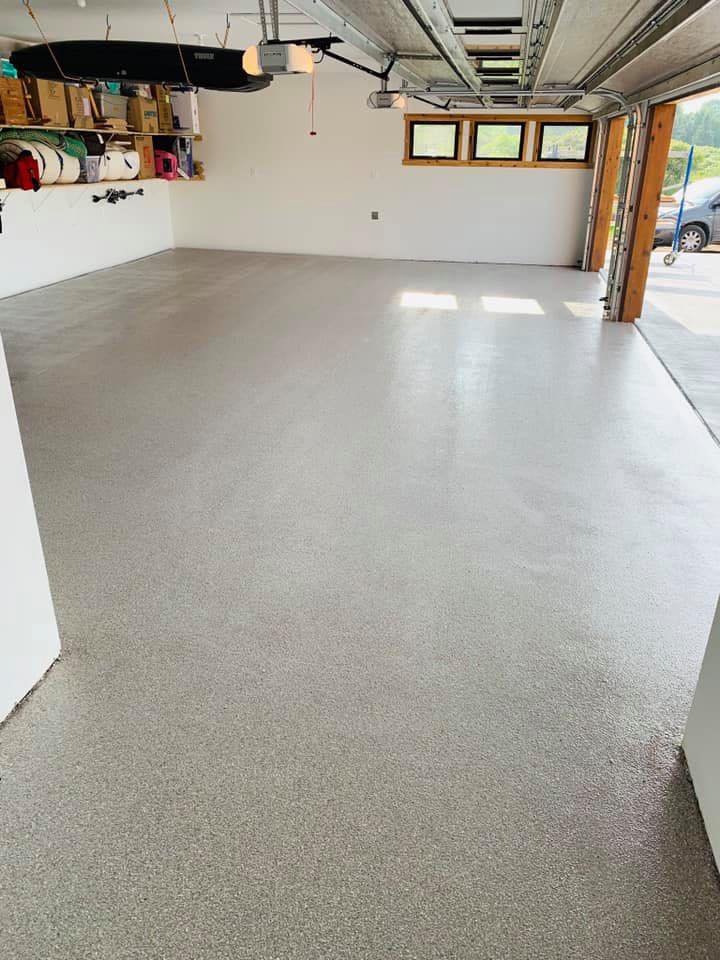
Gray flake epoxy garage floor installed by Apex

Garage Floor Special

One Flat Price for Your Garage Floor

2-Car Garage$2,300
3-Car Garage$3,200
  • Standard garages done in one day
  • 25-year transferable warranty
  • Free on-site estimate

Claim Your Price

Answer a few quick questions and we'll reach out to set up your free estimate.